Discovering Top Artificial Plants for Outdoor Spaces


Intro
The outdoor environment often serves as an extension of our living spaces, offering a sanctuary where nature's beauty can be enjoyed. Yet maintaining a vibrant outdoor area can be quite the task. This is where artificial plants step into the spotlight.
As interest in artificial plants continues to grow, individuals from all walks of life are discovering how these beautifully crafted foliage solutions can enhance their outdoor spaces, bringing the charm of greenery without the fuss that comes with natural plants. Whether it’s a tranquil balcony, a lively garden, or a serene patio, fake plants can easily fit into any situation, providing aesthetic appeal and practical benefits.
This article explores the multifaceted world of faux plants tailored for outdoor settings. It will clarify the advantages and drawbacks of choosing artificial over natural options while diving into an extensive panorama of some of the top selections available today. Furthermore, it will navigate the nuances of selecting materials that weather well, as well as pinpointing the most effective placement strategies and how to care for these items to keep them looking fresh throughout the years.
By synthesizing this information, we aim to equip both aficionados and professionals alike—be it interior designers, architects, or retailers—with solid insights and tips for creating stunning outdoor environments that need minimal upkeep.
Understanding Fake Plants for Outdoors
The rapid shift towards artificial plants in outdoor settings reflects a broader trend among homeowners and designers alike, prioritizing both aesthetic appeal and practical solutions in landscaping. The significance of discussing fake plants goes beyond mere decoration; they offer a fresh perspective on how to maintain beauty and coherence in outdoor spaces without the conventional hurdles of traditional planting.
Defining Artificial Vegetation
Artificial vegetation encompasses a range of materials designed to mimic the natural world. Unlike real plants, these faux options are typically crafted from plastic, silk, or other synthetic fibers that allow for high customization in form, size, and color. This distinction provides not only a diverse assortment of choices for designers but also the opportunity to create vibrant outdoor scenes without the limitations associated with live plants.
Benefits of Using Fake Plants Outdoors
Low Maintenance Requirements
One of the most alluring aspects of fake plants is their low maintenance requirements. Homeowners can say goodbye to frequent watering, pruning, and seasonal upkeep, making these alternatives appealing for those with busy schedules or less gardening expertise. Generally, all that’s required is an occasional wipe-down to keep dust at bay. This simplicity can be a major advantage for individuals looking to maintain a tidy and attractive outdoor environment without dedicating significant time or effort.
Durability Against Weather
Durability against weather is a key characteristic that sets artificial plants apart from their live counterparts. Crafted for resilience, many fake plants are designed to withstand the elements, from scorching sunlight to torrential rain. They don’t wilt, fade, or perish with the changing seasons, offering homeowners a long-lasting aesthetic that remains visually striking year-round.
Yet, while their durability is noteworthy, it’s important to ensure that quality materials are chosen, as lower-grade options may succumb to harsh conditions faster than expected.
Consistent Aesthetics Throughout Seasons
Another promising benefit of fake plants is their ability to deliver consistent aesthetics throughout seasons. The vibrant hues and lush arrangements that artificial plants provide remain unchanged, regardless of environmental fluctuations. This factor contributes to a stable design appeal, allowing outdoor spaces to look immaculate at all times. The predictability of these plants offers ease in planning seasonal decorations or events, making them an attractive choice for those who desire a visually appealing setup without the unpredictability associated with natural flora.
Common Misconceptions
Despite the growing acceptance of artificial plants, several misconceptions persist. Some people mistakenly believe that fake plants create a sterile or artificial look. However, advancements in design and realism have greatly improved how these products integrate into natural landscapes. Others worry about the environmental impact, yet many modern faux plants are produced with eco-friendliness in mind, utilizing recyclable materials or energy-efficient manufacturing processes. In addressing these misconceptions, it becomes clear that integrating artificial plants into outdoor spaces can enhance, rather than detract from, the overall landscape.
Key Considerations for Selection
When it comes to choosing artificial plants for outdoor spaces, making informed decisions is paramount. Not just any faux greenery will do; you want selections that can stand the test of time, offer aesthetic appeal, and blend seamlessly with your environment. Delving into the key considerations will help ensure that your outdoor setting not only looks good but also serves its intended function effectively.
Material Quality
UV Resistance
In the realm of outdoor artificial plants, UV resistance is vital. Fake plants that are treated to withstand the sun’s harsh rays maintain their vibrant hues without fading. A key characteristic of UV-resistant materials is their ability to reflect sunlight instead of absorbing it, which drastically reduces color degradation. For anyone keen on keeping their outdoor space vibrant throughout the summer, UV-resistant plants are a wise choice.
A unique feature of these materials is their longevity. They can last for years without showing significant wear or alterations in color, making them a cost-effective solution in the long run. The downside? Prices for high-quality UV-resistant plants can be slightly steeper, but the durability makes up for the initial investment.
Weatherproofing
Weatherproofing is another crucial factor when selecting faux plants. This characteristic ensures that the plants can withstand rain, snow, and even hail without suffering damage. This durability is particularly important for outdoor decor since changes in weather can be unpredictable.
In terms of unique selling points, weatherproof artificial plants are solid choices for any climate. They won’t warp or crack under extreme weather conditions, adding to their appeal. On the downside, buyers need to pay attention to the specifics of the weatherproofing process, as some may still need protection from severe elements despite being labeled as weather-resistant.
Eco-friendliness
The rising interest in eco-friendliness is shaping the market for artificial plants. More consumers are searching for options made from recycled or non-toxic materials. Classes of eco-friendly fake plants emphasize biodegradable plastics, minimizing their impact on the planet. This option is becoming a favorite for environmentally conscious consumers who want to decorate without feeling guilty about the environmental implications.
One of the unique aspects of eco-friendly options is the innovation in materials used that still offer durability and aesthetics. However, it’s worth noting that not all eco-friendly products have the same durability, potentially requiring replacements sooner than their conventional counterparts. Finding the balance between sustainability and longevity is key for buyers.
Style and Design
Realism of Appearance
The realism of appearance can make or break the look of your outdoor space. The best fake plants mimic their living counterparts closely, right down to the textures and colors of the leaves. Realistic-looking artificial plants can fool even the most discerning eyes, enhancing your landscape’s overall appeal.
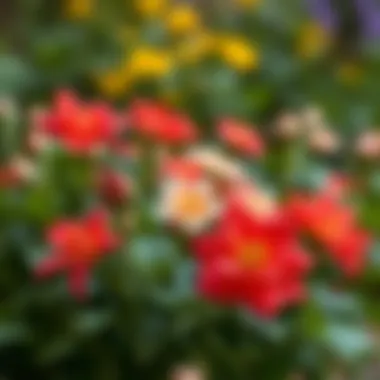

A unique feature here is the technological advancements in the design process that enable manufacturers to create lifelike versions. While purchasing, take into consideration how effectively you can blend these plants with real ones in your garden. On the flip side, high realism can sometimes come at a higher price point, making them less accessible for larger areas.
Color Accuracy
Next is color accuracy, which is critical in maintaining a natural look. Plants should display variations in color as seen in nature - no plant is a single hue! Color accuracy ensures that your décor feels genuine and inviting.
This aspect is especially vital when selecting flowers or plants that are perennials. While there are many vibrant options, those that feature accurate color ranges will be popular choices for creating harmonious outdoor spaces. A downside could be that overly vibrant hues may clash with natural greenery, so careful selection is necessary to avoid a jarring effect.
Size Appropriateness
Size appropriateness is not just about dimension; it’s about scale and how the plant fits within the designated space. An oversized faux tree may overwhelm a small patio while a tiny shrub may get lost in a vast garden. Choosing the right size helps create a balanced and appealing aesthetic.
The unique feature of this consideration is that it allows buyers to be creative regarding plant placement. Without the constraints of growth like natural plants, you can play around with sizes in various areas. However, the wrong size can lead to a disproportionate space, which is visually off-putting.
Intended Use and Placement
Decorative vs Functional Uses
When selecting artificial plants, understanding their decorative vs functional uses is key. Some people opt for faux plants purely for their aesthetic appeal, enhancing the beauty of patios or walkways, while others seek functional aspects like privacy or shading.
Faux greenery used decoratively can elevate the mood of your space. For instance, a vibrant arrangement can make an entranceway feel welcoming. In contrast, functional use like creating shade with tall bamboo can enhance comfort. One pitfall here is misusing plants for their intended function, which could lead to dissatisfaction if they do not meet a practical need.
Shading and Privacy Considerations
Shading and privacy considerations often drive the choice to incorporate fake plants. Tall, lush privacy hedges can effectively define boundaries in outdoor spaces, while providing relief from a sweltering sun. Selecting plants that offer these beneficial features can transform a space into a cozy retreat.
The unique aspect here is the added dignity of using plants to create a sense of enclosure without the maintenance needs of real shrubs. However, one must ensure that the chosen plants do not make the area feel cramped or overly confined.
Complementing Existing Plant Life
Lastly, how complementing existing plant life plays a role in selection cannot be overstated. Aligning your artificial plants with nearby natural greenery enhances the overall aesthetic. Think of it as blending the old with the new - creating a holistic look.
The great thing here is that faux plants are available in various styles, making it simple to find pairs that match what’s already blossoming in your garden. A potential downside is the risk of juxtaposing colors or sizes that might clash, which can detract from the overall beauty of the plant arrangement.
Popular Types of Outdoor Artificial Plants
When it comes to enhancing outdoor spaces, selecting the right type of artificial plants plays a crucial role. This section of the article emphasizes how particular varieties of fake plants can transform a landscape, offering both visual appeal and functionality for different settings.
Faux Trees
Faux trees serve as a striking centerpiece in many outdoor designs, providing height and structure without the hassles of upkeep. Their ability to mimic the presence of real trees presents a few notable options:
Palm Variants
Palm variants are a popular choice for those looking to create a tropical vibe without the need for high maintenance. Characterized by their long, slender trunks and lush, fan-like leaves, these faux trees capture the essence of summer breezes and seaside relaxation. One of the key characteristics is their resistance to fading; they maintain their vibrant hues even under the blazing sun. The unique feature here is the variety of species available—from dramatic fan palms to slender coconut palms, allowing for tailored aesthetics. However, it’s worth noting that they might not blend seamlessly in all environments, potentially looking out of place in a more temperate setting.
Evergreens and Oaks
Evergreens and oak replicas bring a more classic look to outdoor spaces. Their lush foliage conveys a sense of stability and timeless elegance. The key characteristic of these artificial trees is their year-round greenery, which keeps an outdoor area looking lively through all seasons. A standout feature is how they can be shaped to fit into different garden designs, be it in a formal setting or a casual one. Still, the bulkiness of some models might be a downside for smaller patios or decks, where space is at a premium.
Bamboo Options
Bamboo options bring a distinctly zen-like quality to outdoor environments. Their slender, tall stalks offer a modern flair while providing an excellent privacy solution. Known for their lightweight and maneuverable design, they are often favored for areas requiring both aesthetics and functionality. The unique feature of bamboo faux plants is their versatility; they can stand alone or be clustered together for a fuller effect. One drawback could be their fragility; while they look delicate, they might require careful handling during setup to avoid damage.
Artificial Flowers
Artificial flowers can add vibrant pops of color without the need for watering or fertilizing. These options are perfect for both decorative and functional purposes:
Perennials for Outdoor Borders
Perennials designed for outdoor borders bring an element of lushness and continuity in landscape design. These faux flowers bloom in a riot of colors, providing a cheerful welcome as they line pathways or edges. The standout feature is their ability to look fresh and inviting all year round. Choosing these can be beneficial for creating durable borders that require no deadheading or seasonal swapping. However, an eye might catch that they do not have the same subtle movement as real flowers, which can make them feel a tad static.
Seasonal Bouquets
Seasonal bouquets are adapted to mimic the changing scenery throughout the year, which can be quite appealing for those who enjoy variety. With options that reflect spring daffodils to autumn chrysanthemums, they can easily be swapped out based on the time of year. The key aspect here is their ability to create a dynamic environment with minimal effort. However, one must consider storage, as keeping multiple arrangements can take up space.
Succulents and Cacti


Succulents and cacti offer a different aesthetic appeal, often associated with the arid landscapes of the Southwest. Known for their thick, fleshy leaves and unique shapes, the key characteristic of these plants is their low water requirements. They are an excellent choice for those who appreciate a modern, minimalist look. Their unique feature includes the ability to add texture and depth to any arrangement. That said, some may find their stark forms a bit too rigid compared to other flowing flowers.
Hedging and Topiary
Hedging and topiary plants can serve as beautiful boundary markers or artistic designs:
Boxwood Hedging
Boxwood hedging provides a classic, dense green look often used in formal gardens. Known for its versatility, this type of fake plant serves effectively as a decorative border or a privacy screen. Its structured appearance adds elegance to outdoor settings. One benefit is its easy integration with various landscaping styles. On the flip side, some might argue that the uniformity can appear monotonous if not paired with other types of plants.
Colored Foliage
Colored foliage options enhance visual interest with vibrant shades that can brighten up dull spaces. They not only offer a refreshing twist but also work well in creating focal points in garden designs. The unique feature here is the variety of hues available—from deep burgundy to bright golden leaves. However, one downside could be that some colors may fade quickly if not treated for UV protection.
Shapes and Forms
Shapes and forms in topiary can be tailored to fit any garden scheme. From neatly trimmed spheres to whimsical animal shapes, these structures add a playful touch. The appeal lies in their ability to create a conversation starter in any outdoor environment. Yet, they might require regular fluffing and repositioning to keep their defined shapes intact, which could be viewed as a bit of a hassle.
In the realm of outdoor decoration, faux plants provide practical solutions to achieve vibrant aesthetics with minimal upkeep.
Understanding the various options available allows homeowners and designers alike to create stunning landscapes that stand the test of time.
Placement Strategies
Placement is a pivotal aspect when it comes to integrating fake plants into an outdoor setting. It’s not merely about tossing a few artificial ferns in the garden; effective placement can truly enhance the ambiance of the space. A well-considered arrangement can create visual interest, provide balance, and even serve practical purposes like shading or privacy. Let's break down how to create impactful placements that'll make those faux greens shine.
Creating Focal Points
Artificial plants can act as striking focal points in outdoor areas. Think of them as the cherries on top of an already delicious cake; they draw the eye and provide a sense of direction to the space. To make an impact, choose larger faux trees or unique topiary that can stand out without overwhelming the area. For instance, a tall, stately artificial palm nestled in a sunlit corner creates an exotic vibe. Placing a vibrant arrangement of faux flowers near a seating area can deliver a burst of color that livens up the scene.
When selecting the location for these focal points, consider the flow of foot traffic. If your patio sees a lot of gatherings, a well-positioned arrangement can invite people to pause and appreciate the greenery. Here are a few angles to think about:
- Contrast against hard surfaces: Position fake plants against stone pathways or wooden decks to heighten visual appeal.
- Use in symmetry: Flank doorways or stairs with matching faux plants to create a sense of balance and order.
"The right placements can turn an ordinary landscape into a visually stunning retreat."
Layering with Natural Plants
Integrating fake plants among real greenery can create depth while minimizing maintenance worries. The key lies in layering; placing faux plants at various heights near their natural counterparts adds an element of richness without the hassle of upkeep. For example, consider using larger faux shrubs at the back of a garden bed, while distributing some smaller faux flowers in the foreground. The illusion of a dense, thriving garden space is easily achieved without the concern of watering or wilting.
This strategy not only beautifies your outdoor area but can also serve practical purposes:
- Masking imperfections: If you've got spots where the grass refuses to grow or gaps in your flower bed, a strategically placed faux plant can smooth over those blemishes.
- Seasonal continuity: Real plants can fade during off-seasons, while fake flora ensures that there's always a touch of green despite the weather.
Using Pots and Containers
Pots and containers are a beautiful way to showcase artificial plants and can be an excellent choice if you're working with limited space. The beauty of using pots is that they allow you to experiment with style, color, and texture. An elegant ceramic pot can offer a sleek touch, whereas rustic wooden boxes can add a charming, country-style vibe.
When placing faux plants in containers, keep a few details in mind:
- Size matters: Ensure the container is proportionate to the plant. A tiny bouquet in a massive pot can look misplaced.
- Drainage considerations: Although artificial plants don’t require drainage, choosing pots with drainage holes can promote airflow for the faux soil material, enhancing longevity.
- Group planting: Mix different types of faux plants in a single pot for a dynamic look. Combine tall grasses with vibrant flowers for an eye-catching display.
Integrating artificial plants through well-thought-out placement strategies can elevate your outdoor space in unexpected ways. These tactics, from creating focal points to layering with natural plants, result in a harmonious design approach that breathes life into any environment.
Maintaining Fake Outdoor Plants
Maintaining outdoor fake plants may seem like a trivial task, but it’s actually crucial for ensuring they last and stay visually appealing. These artificial plants, designed to withstand the elements, still require attention to maintain their semblance of the natural world. Over time, bird droppings, dust, and pollen can accumulate, leading to a dingy appearance that diminishes the aesthetic value of your space. By implementing a simple maintenance routine, you keep these faux decorations looking fresh and engaging.
In addition to maintaining appearance, proper care can also protect your investment. Depending on the materials used, low-quality plants might fade or degrade more quickly if not appropriately maintained, leading to the need for replacements sooner than anticipated. Hence, knowing the right cleaning protocols and seasonal care tips is paramount for long-term enjoyment of your outdoor decor.
Cleaning Protocols
Keeping artificial plants clean is far from complicated, but it’s essential. Ideally, regular cleaning should be part of your routine, much like watering real plants or mowing the lawn. Here’s a simple breakdown of recommended practices for cleaning:
- Dusting: Wipe down leaves with a damp microfiber cloth monthly. This helps remove dust without scratching the surface or damaging the paint.
- Washing: For deeper cleaning, a gentle soap and water solution can be used. Mix a small amount of dish soap with warm water, dip a cloth in the mixture, and gently scrub the leaves. Rinse with clean water afterward to remove any soap residue.
- Disinfecting: Applying a mixture of water and white vinegar can help tackle mold or mildew, especially in shaded areas prone to dampness. Just spray it on, let it sit for a few minutes, then wipe off.
When cleaning, avoid harsh chemicals and scrubbing pads that might damage the plant’s surface. A gentle touch goes a long way in preserving the look of your items.


"Regular maintenance and cleaning of artificial plants not only enhances the appearance but also significantly extends their lifespan."
Seasonal Maintenance Tips
As seasons change, the conditions for your artificial plants shift as well. Adapting your maintenance routine based on these seasonal fluctuations can yield better results and longevity for your fake foliage. Here are a few suggestions to guide your seasonal care:
- Spring: After winter’s harsh weather, inspect your plants for any signs of damage. Clean off any debris from fallen branches or leaves. This is also a good time to consider updating placements if changes in sunlight occur with the new season.
- Summer: High temperatures can fade colors. Opt for UV-resistant plants or consider moving plants around to prevent sun damage. Regular cleanings, as mentioned before, help remove dust that’s more readily visible in bright light.
- Autumn: This time of year often leads to falling leaves and other debris. A good wash and wipe down will keep your plants looking sharp and can prevent permanent stains.
- Winter: If your plants experience heavy snow or frost, ensure that they are durable enough to withstand such conditions. Regularly brush off snow once accumulated to avoid possible breakage of stems or leaves.
These considerations will help enhance your outdoor space’s beauty and satisfaction derived from it. It’s like giving your decor a little spa day now and then to keep them feeling fresh and welcoming, so they continue to brighten your environment.
Exploring Market Options
When it comes to enhancing your outdoor space with artificial plants, understanding the market options is key. The variety of products available today reflects not only personal style preference but also practical considerations. From durability to price, exploring these options allows you to make choices that align with your overall design goals and exterior ambiance. Knowing the intricacies of available brands and their distinct offerings can simplify the decision-making process.
Top Brands to Consider
Brand A Overview
Brand A is renowned for its realistic textures and vibrant colors, making it a standout choice among designers and homeowners alike. Its commitment to high-quality materials ensures that their faux plants withstand the test of time. One of the key characteristics of Brand A is its range of UV-resistant plants that prevent fading, which can be a significant concern in sun-drenched locations.
Another unique feature of Brand A is its customizable options available for certain product lines. This means that whether you're after a specific height or color scheme, Brand A often accommodates those needs. However, some users mention that while the price reflects quality, it might be slightly steeper compared to other brands. Overall, Brand A combines aesthetic appeal with functional benefits, making it a popular choice.
Brand B Overview
Brand B provides an extensive line of environmentally-friendly faux plants, utilizing materials that mimic the natural evolvement without sacrificing quality. The eco-conscious aspect significantly appeals to many clients looking to balance their desire for beauty with sustainability. The standout feature of Brand B is its strive towards realistic movement in their foliage, which often gives a dynamic feel to static installations.
While they excel in environmental practices, some customers may find the designs lean more towards the whimsical side, which may not align with all outdoor settings. Overall, the ability to get good looks while being kind to the environment certainly gives Brand B an edge in the market.
Brand Overview
Brand C focuses on versatility and affordability, catering especially to those looking to enhance their spaces without breaking the bank. One significant aspect of Brand C is their variety of sizes and shapes in the plant offerings; users can easily find smaller plants or grand displays, making it easy to fit any space.
Additionally, its plants are marketed with a focus on seasonal adaptability, meaning one can enjoy a splash of color year-round with minimal effort. However, the trade-off here is that while the products are budget-friendly, they may not always exhibit the same level of realism as pricier counterparts. Nonetheless, for those aiming for a cost-effective enhancement, Brand C remains a solid option.
Price Ranges and Budgeting
Finding the right blend of quality and affordability involves understanding price ranges in the market. Artificial plants can vary significantly, from cheaper alternatives costing under $20 to premium options exceeding several hundred dollars. This variance can be influenced by size, material quality, brand recognition, and design intricacies.
- Budget-friendly options: Ideal for those experimenting or filling small spaces, typically priced between $20 to $50.
- Mid-range selections: Good for achieving realistic appearances at an accessible price point, usually ranging from $50 to $150.
- High-end choices: For those investing in long-lasting, high-quality decor, prices can soar from $150 up to $500 or more.
Future Trends in Artificial Plants
As we navigate through a rapidly changing world, the realm of artificial plants continues to evolve, adapting to trends in technology, sustainability, and aesthetics. Keeping an eye on upcoming trends is crucial for interior designers, architects, and retail specialists who aim to stay ahead of the curve. This section highlights the importance of understanding future trends in fake plants, shedding light on innovations that make these alternatives not only visually appealing but ecologically responsible as well.
Technological Innovations
The technological advancements in the fake plant industry are noteworthy. Manufacturers have harnessed cutting-edge techniques to enhance realism and functionality. One such advancement is the development of more sophisticated materials that mimic the texture and color of real plants. For instance, modern faux plants often utilize polyethlyene that closely resembles the natural fibers seen in live foliage and withstands various weather conditions.
Moreover, some products now feature integrated UV protection. This means colors won’t fade in sunlight as quickly as they used to, which is a boon for outdoor spaces that often suffer from the harsh elements. The detail in these plants is remarkable; they are often designed with the smallest aspects in mind, such as realistic leaf veins and imperfections that resemble their natural counterparts. Furthermore, some innovations involve the combination of LED technology to illuminate the plants. This can add a unique accent to gardens or patios during evenings, merging decor with functionality.
"The line between real and artificial is blurring, thanks to technological advancements that make synthetic plants strikingly life-like."
Sustainable Practices
In an era where sustainability has taken center stage, the artificial plant industry is also embracing responsible practices. Many brands are now focusing on eco-friendly materials and processes. Several manufacturers are transitioning to recycled plastics for their products, which minimizes waste and reduces the carbon footprint associated with production.
Additionally, there is growing awareness around the end-of-life lifecycle of these plants. Some organizations are establishing take-back programs for old faux plants, ensuring they are recycled rather than tossed into a landfill. This shift not only supports environmental sustainability but also caters to an increasingly eco-conscious clientele. Choosing brands that prioritize sustainable practices allows consumers to reap the benefits of artificial plants while feeling good about their choices.
Understanding and embracing these trends is essential for anyone involved in design or retail. Staying informed helps professionals select products that align with the future direction of the industry, ultimately meeting the evolving needs and preferences of customers.
Finale
In wrapping up this exploration of artificial plants for outdoor spaces, it’s crucial to reflect on the significance of integrating faux greenery into our designs. As we have discussed throughout the article, these plants offer a host of advantages that make them appealing for various settings, whether residential, commercial, or recreational. Not only do they provide a consistent aesthetic year-round, but they also significantly lower maintenance efforts compared to their live counterparts.
One of the key benefits highlighted is durability. Outdoor environments can be unforgiving, with sun, rain, and wind taking their toll on natural flora. Fake plants stand resilient against these elements, maintaining their form and color without the need for constant care. Their long lifespan translates into a wise investment over time, especially in places where upkeep can be this daunting.
Furthermore, the ability to choose from a vast array of styles—be it statuesque palms, vibrant flowers, or decorative topiary—means there’s a perfect option for just about any design scheme. By thoughtfully selecting the right pieces, one can create focal points or softly blend into existing landscapes, enhancing the overall feel of a space.
When considering the practicalities, it’s essential to weigh the unique requirements for placement and maintenance. Properly positioning artificial plants can maximize their visual impact, creating inviting and lush settings.
In essence, artificial plants have transcended mere novelty and evolved into a viable solution for those looking to enhance their outdoor environments without the constraints of natural plant care. As we move forward, conscientious choice in quality and design will ensure that these faux plants serve their purpose beautifully. Thus, whether you’re an interior designer, an architect, or a retailer, the integration of artificial plants can redefine a space, making it vibrant while remaining low-maintenance.
As you contemplate bringing these elements into your designs, remember: the right faux plant can transform a dull corner into a verdant oasis, creating a sense of calm in our bustling lives. It's a practical step towards achieving a lush, inviting atmosphere without the hassle.