Transform Your Bedroom with Colorful Decor Ideas

Intro
The world of bedroom decor is vast and vibrant, offering endless possibilities for personal expression and design creativity. When it comes to color, it plays a pivotal role not just in aesthetics, but also in how a space feels and functions. Infusing your bedroom with colors that resonate with your personality can transform it from a simple sleeping area into a sanctuary of comfort and style. In this article, we will delve deep into various aspects of colorful bedroom decor, focusing on design trends, functional solutions, and the profound impact of color psychology.
By understanding the balance between aesthetics and functionality, one can curate a bedroom that is both visually appealing and practical. From contemporary styles that push the envelope of design to tried-and-true color palettes that evoke warmth and tranquility, this comprehensive guide is crafted especially for interior designers, architects, and retailers aspiring to enhance their portfolio and clientele's satisfaction.
Design Trends
Contemporary Styles
Within the realm of contemporary bedroom decor, the emphasis often leans towards clean lines and minimalistic forms, yet color allows for a refreshing juxtaposition. Current trends showcase the use of bold color blocks which can give a dynamic feel to a subdued palette. For example, a serene white foundation with splashes of deep emerald green or rich burgundy can enliven the atmosphere without overwhelming the senses.
Another intriguing trend is the incorporation of layered textures. Think about a bright, geometric patterned rug complementing a solid velvet bedspread. This layering doesn't just add depth visually; it also creates an inviting environment.
In addition, biophilic design is gaining traction, merging the outside with the inside. Natural hues like earthy browns, soft greens, and muted blues are popular choices to create a Zen-like atmosphere, reflecting the beauty of nature right in your sleeping quarters.
Color Palettes and Materials
When exploring color palettes, it’s critical to consider the materials in play. Natural elements such as wood, stone, and organic fabrics can greatly affect how colors are perceived
- Warming Colors: Shades like terracotta or warm taupe can create a cozy, welcoming vibe. They are particularly effective in spaces that aim for relaxation and comfort.
- Cool Tones: On the flip side, hues like soft aqua or crisp slate blue can evoke calm and tranquility, making them ideal for restive areas.
- Accent Colors: Using a vibrant accent color, whether through artwork or throw pillows, can make a space pop, bringing life to more neutral tones.
It's also worth mentioning that materials like linen or cotton draw light differently due to their texture, which influences how colors appear under various lighting conditions. For instance, a dusky rose on a plush linen can feel airy, while the same tone on a smooth surface can seem much heavier.
"Color is a power which directly influences the soul." – Wassily Kandinsky
This quote perfectly encapsulates why color should not be an afterthought in bedroom design. The proper use of color can enhance mood, influence mindset, and ultimately create a sanctuary that feels just right.
Functional Solutions
Ergonomic Furniture
When selecting furniture for a colorful bedroom, it's crucial to prioritize ergonomics. A bed frame that supports healthy sleep is fundamental, but why stop there? Chairs and desks should also cater to comfort. Likewise, choosing pieces that reflect your desired color scheme while adhering to ergonomic principles can merge form and function beautifully.
Consider beds that offer built-in storage without compromising style or desks that double as decor. Utilizing ergonomic designs ensures that while your bedroom looks great with vibrant hues, it also supports your well-being.
Space Optimization Tips
Efficient space usage is vital, especially in bedrooms where a clutter-free environment is preferred.
- Keep color consistency by extending your color palette into storage solutions. Labeled boxes or colorful ottomans can provide functional storage without compromising style.
- Mirrors can also work wonders in making a space feel larger and brighter by reflecting colors, so think about incorporating a piece that echoes your decor.
Utilizing multi-functional furniture options like a bed with drawers or a desk that converts into a nightstand helps keep everything organized while adding a splash of color when viewed from any angle.
For more insights on color psychology and how it shapes our living environments, you might consider visiting Wikipedia or Britannica.
By taking a multifaceted approach, individuals can transform their bedrooms into vibrant personalized spaces, ultimately leading to a balance between style, comfort, and functionality.
Understanding Color Psychology
Color psychology is a vital aspect of design that goes beyond aesthetic appeal. When it comes to bedroom decor, the colors selected can influence mood, behavior, and even the quality of sleep. Knowing how different shades affect emotions can help individuals create an environment that not only looks good but feels right.
In any personal space, especially a bedroom, achieving the right atmosphere is quintessential. Colors aren’t merely visual stimuli; they can evoke feelings of calmness, energy, or even frustration. Thus, understanding color psychology is essential for anyone looking to design a space that resonates deeply with its inhabitant.
The significance of this understanding lies in its capability to enhance one’s living experience. For instance, hues like blue are known to induce tranquility, making them ideal for spaces meant for relaxation. Conversely, vibrant shades like red may exhume energy and passion, which could be overwhelming in a room meant for rest. This creates the first layer of consideration when embarking on a decor project: The purpose of the space dictates the colors you should curate.
When designing colorful bedrooms, one should weigh practical choices against the emotional responses certain colors invoke. A well-thought-out blend can lead to an invigorating but restful retreat.
The Emotional Impact of Colors
Colors have the power to influence human emotions significantly. When we enter a room, its hues can evoke nostalgia, joy, or even melancholy. For example, bright yellows can trigger happiness and creativity, often associated with sunlight and warmth, which can brighten up a gloomy day. In contrast, darker shades like navy blue can impart a sense of calmness, but too much of it can lead to feelings of isolation.
Here’s a breakdown of a few colors and their general emotional impacts:
- Red: Associated with passion, excitement, and danger; can increase energy levels but may cause aggression if overdone.
- Green: Represents nature and tranquility, often bringing peace and balance; a great choice for bedrooms focused on relaxation.
- Yellow: Bright and cheerful, can inspire joy and optimism but may overwhelm if overused.
- Purple: A color of creativity and luxury; can promote imaginative thinking.
It is important to recognize that individual reactions to colors can vary widely. Factors like personal experiences and cultural contexts play crucial roles in how colors are perceived and felt. This makes selecting the right hue a subjective endeavor, where individuals must invest time into deliberating how they feel about certain colors.
Choosing Colors Based on Room Functionality
Choosing colors based on functionality enhances the room's overall design and intent. Different colors cater to varying functionalities of a space. For example, in a bedroom, the primary goal is often relaxation and rest. Therefore, opting for soft, muted tones can create a soothing environment conducive to sleep.
Here are some practical considerations when deciding on color selection:
- Traffic Flow: Consider how the color might affect movement and functionality. Lively colors can energize spaces where activity is prominent—like playrooms—but might disrupt the calm in a bedroom.
- Natural Light: The amount of sunlight a room gets can significantly influence color perception. A color that feels cozy in dim light might appear harsh in bright light.
- Complementing Existing Furniture: Colors should harmonize with the furniture already in place. If you have a wooden bed frame, greens or blues can complement it beautifully, while modern metallics might pair better with cooler shades like grey or white.
When focusing on functionality, it is also worthwhile to create a mood board. This way, exploring different shades and textures can lead you toward the best choice for your needs. Incorporating samples into the actual space will give a better idea of how colors interplay with light and your existing decor.
In summary, the understanding of color psychology is essential in the realm of bedroom design. It allows for a tailored approach, ensuring that each color decision is not just a visual choice but an avenue to enrich the emotional life of a space.
Selecting a Color Palette
Choosing the right color palette is one of the cornerstones of a captivating bedroom design. A well-thought-out palette can set the tone, evoke emotions, and reflect personal style. It serves as a guide for selecting decor elements, ensuring that the overall theme remains cohesive. The significance of selecting a color palette is manifold; it not only assists in harmonizing various design aspects but also allows for personal expression in a space that should feel uniquely yours.
When venturing into the vibrant realm of colors for your bedroom, consider the following elements:
- Emotional Response: Different colors can evoke various emotional states. For instance, warm colors like reds and oranges can ignite warmth and passion, while cool colors such as blues and greens promote calmness and tranquility. Understanding this can inform your choices, especially if you are looking to create a specific ambiance.
- Lighting Considerations: How natural or artificial light interacts with your chosen colors can alter their appearance. A color that looks inviting under daylight can appear dreary under fluorescent lights. Therefore, observing your color choices at different times of the day can aid in making a more informed decision.
- Theme and Style Cohesion: Your color palette should enhance the overall theme of your bedroom, whether modern, rustic, or minimalist. Think of it as a thread that weaves through the various elements, linking them together visually and thematically.
Complementary vs. Analogous Colors
Understanding the distinction between complementary and analogous colors can really sharpen your design skills. Complementary colors are those that sit opposite each other on the color wheel. Using these can provide a high-contrast and vibrant look, perfect for creating a dynamic atmosphere. For instance, a bright orange paired with a deep blue creates a sharp visual contrast that can command attention and energy in a space.
On the other hand, analogous colors are those that sit adjacent on the color wheel. They create a more subtle and harmonious feel, good for attaining a serene and cohesive environment. Think of a palette that combines shades of blue and green—this can impart a calmness that soothes the senses and encourages relaxation. Choosing between these two approaches often depends on the mood you wish to cultivate within your bedroom.
Utilizing Neutrals as a Base
In the world of decor, neutrals can often play the unsung hero of design. A neutral base—think whites, creams, grays, and beiges—provides a flexible backdrop for colorful accents. This tactic is especially useful when you're unsure about committing to bolder colors. By starting with a neutral foundation, you open yourself up to a myriad of opportunities for introducing splashes of color through various decorations.
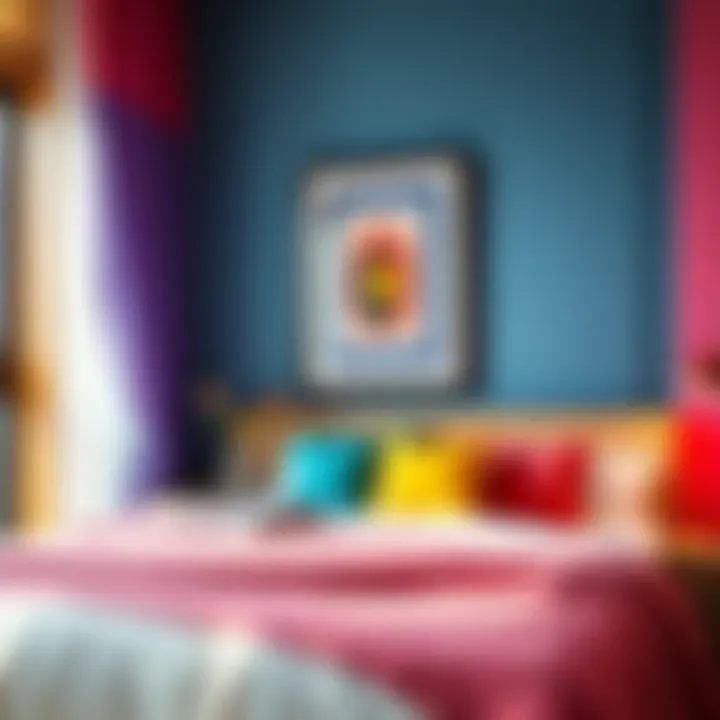
- A Versatile Canvas: Neutrals allow you to be creative with colorful accessories. Things like vibrant bed linens, bright artwork, or colorful accent pillows can easily be swapped out as trends or seasons change, allowing for a fresh look without a full redesign.
- Enhancing Lighting: Light plays differently against neutral shades. It reflects and diffuses light subtly, often making spaces feel larger or warmer, all while letting your chosen colors pop without overwhelming the space.
Utilizing a neutral base makes it easier to introduce color gradients and themes as your taste evolves or as new color trends emerge.
"The palette you choose should reflect not just the aesthetic you envision, but also the emotions and ambiance you wish to experience in your private sanctuary."
Selecting a color palette is a powerful step in crafting a bedroom that is both beautiful and intimately personal. With a thoughtful blend of colors and an understanding of how they interact, you can create a space that truly feels like your own.
Incorporating Color in Furniture
In the realm of bedroom decor, how we choose to integrate color into our furniture can make all the difference. Vibrant hues can transform an ordinary space into one that resonates with energy and personality. Imagine stepping into a room where the furniture itself speaks volumes about the occupant’s tastes and preferences. It’s more than just aesthetics; it’s an expression of who we are.
When adding color to furniture, consider the various elements at play.
Statement Pieces in Bold Hues
Using bold colors in furniture can create impactful statement pieces. Think about a bright orange chair or a teal dresser. These standout items draw attention and serve as a focal point in the room.
- Contrast: Bright furniture can starkly contrast with softer wall colors, providing balance and enhancing visual interest. A vibrant sofa against pale walls instantly adds depth and character to the room.
- Personal Expression: Bold hues often reflect personal style. Whether it’s a powder blue bookcase or a striking crimson bed frame, these choices can encapsulate a narrative about the homeowner.
- Placement Considerations: Strategically place colorful items where natural light can enhance their shades. The play of light on those vibrant tones can change their appearance throughout the day, creating an ever-evolving environment.
Balancing Color with Material Choices
While color is important, the materials used in furniture can further influence how color is perceived in a space.
- Wood vs. Upholstery: A wooden piece painted in a glossy finish can catch the eye differently compared to fabric upholstered in a vibrant weave. Understanding the interaction between color and material can help in achieving the desired feel of the space.
- Texture and Color: Texture adds depth to color. A plush velvet chair in royal purple offers a drastically different vibe compared to a satin-finish dining chair in the same hue. Texture can soften or amplify the impact of color.
- Creating Uniformity: If you opt for a stronger color on one piece of furniture, balance it out with muted colors in other items. This way, the room feels cohesive. For instance, a bright yellow coffee table can look stunning when paired with gray tones in the surrounding decor.
Ultimately, incorporating color in furniture is about finding harmony between boldness and balance. Each piece should not only stand out but also work together to create a serene and inviting space. With thoughtful consideration, every choice in color enhances the ambiance and resonates deeply with the personal style of the inhabitant.
"Color is a power which directly influences the soul." – Wassily Kandinsky
To explore more about color theory in design, you might want to visit Wikipedia or check resources on Britannica.
Textiles and Accessories
Textiles and accessories serve as the fabric of a bedroom's personality, weaving together the colors and textures you choose to showcase. They play a pivotal role in setting the mood and warmth of your space. Selecting the right textiles can transform a bare room into a sanctuary that reflects your identity and lifestyle. From bedding to decorative pillows, every piece counts.
In thoughtful decor, every item should not only stand out but also harmonize with the overall scheme. Textiles such as curtains, rugs, and throws add depth and comfort. For instance, layering materials can create shadow and light, enhancing the perception of space. A soft rug underfoot during winter mornings or airy curtains fluttering with a gentle breeze can affect one's sense of belonging in a room. It’s not just about looks; it's about feeling right at home.
Choosing Bedding and Curtains
When it comes to bedding and curtains, you’re not just picking fabrics; you're making a statement. There’s a world of choices out there, and it's easy to get lost in the options. Bedding should invoke comfort while also curating a cohesive look. Consider the weight, texture, and color of your sheets and duvet covers. A flannel set might be perfect for winter, while cotton or linen could be your best bet in the warmer months.
When selecting curtains, think about their functional purpose as well. Blackout curtains might be ideal for those who appreciate a darkened room for sleep, while lighter, sheer curtains can enhance natural light, making a room feel more inviting. Don’t forget about the hues and patterns. If your walls are bold, opt for soft colors or simple designs to balance the visual impact.
- Statement patterns can work beautifully as long as they complement other decor.
- Consider the drape and weight; lightweight curtains create an airy feel while heavy drapery can lend a sense of drama.
Accent Pieces That Enhance Color
Accent pieces are often the cherry on top of a well-designed room. These small but significant items can breathe life into your bedroom’s color scheme. Think about what catches your eye. Perhaps it's a vibrant throw pillow that contrasts with your bedspread or a colorful vase atop a nightstand.
- Incorporating a variety of textures such as knit throws, silk cushions, or wicker baskets can create visual interest.
- experiment with contrasting colors; the right combination can be electrifying. For example, pairing a jewel-tone throw with a soft pastel backdrop can create visual electricity.
Accessories like lampshades, picture frames, and even artwork should be woven into the color narrative of your room.
“It’s not just about filling a space; it’s about creating a feeling.”
Ultimately, textiles and accessories are the finishing touches that can make all the difference in a colorful bedroom. By carefully selecting these elements, you weave your own narrative in a canvas of colors, transforming a basic room into a vibrant reflection of personal style, comfort, and emotional resonance.
Wall Treatments and Artwork
When it comes to colorful bedroom decor, the significance of wall treatments and artwork cannot be overstated. They serve as the backdrop to our personal sanctuaries, influencing mood and perception while also reflecting our unique personalities. Additionally, how we choose to treat our walls and curate art plays a vital role in tying together the overall aesthetic of the room.
Colorful Paint Techniques
In the realm of wall treatments, paint techniques stand as the most transformative tool at our disposal. Let's shed light on a few color techniques that can add a touch of flair:
- Ombre Effects: This technique involves a gradient of colors fading from dark to light (or vice versa). Imagine a dreamy sunset, where hues softly blend into one another. Using several shades of the same color can create a sense of depth without overwhelming the senses.
- Geometric Patterns: If you're looking to make a statement, consider bold geometric shapes. This approach not only brings energy to the space but also complements modern furnishings. You can utilize painter's tape to achieve precise lines while choosing contrasting colors for a vivid impact.
- Accent Walls: One wall can become the hero of your bedroom. By painting one wall in a bold color, you draw focus without the risk of inundating the entire space. Perhaps a deep teal or a vibrant coral could work, depending on your overall color palette.
Choosing eco-friendly paint options these days can also enhance your room’s atmosphere while keeping it free from harmful toxins. Products labeled as low-VOC (volatile organic compounds) are often the way to go, maintaining fresh air quality without compromising the aesthetic.
Selecting Artwork that Resonates
Now, onto artwork – a crucial component that can either enhance or detract from the overall color scheme you've established. Here are a few crucial aspects to consider when selecting art for your bedroom:
- Personal Connection: Choose artwork that resonates with you on a personal level. It may be abstract art that sparks emotions or landscapes that transport you to serene locations. Art pieces should reflect your experiences, interests, or feelings.
- Color Harmony: When integrating artwork into your decor, ensure the colors within the artwork either complement or contrast your existing palette. If your room features soft pastels, a bold piece with vibrant colors can create an exciting focal point without being jarring.
- Scale and Placement: Be mindful of the scale of your artwork. A colossal canvas might dwarf a petite room, while smaller pieces can easily get lost on expansive walls. Group smaller artworks to create a gallery wall, playing with different shapes and orientations for a cohesive yet dynamic arrangement.
"Art is a crucial ingredient for creating a space that feels distinctly yours."
- Variety of Mediums: Don’t limit your choices to just paintings. Photographs, tapestries, or even 3D artworks can enrich the textural elements of your room. Varied mediums can enhance the visual interest, making your space feel more layered and inviting.
Lighting Considerations
Lighting is an often overlooked hero in the world of bedroom decor. The right lighting can do wonders for your space, transforming the feel and function of a room without simply plastering on a coat of paint. It’s like adding the perfect seasoning to a dish; without it, the flavors just don’t come alive. When it comes to colorful bedroom decor, lighting isn’t just an accessory; it's a fundamental element that can either enhance or undermine your carefully chosen color palette. Let's explore the ins and outs of how lighting affects color perception and the types of fixtures you might select to accentuate that colorful ambiance.
How Lighting Affects Color Perception
Almost every designer knows that light does play a trick on our eyes. The same color can look drastically different under various lighting conditions. Natural light will bring out the vibrancy of your colors, creating a different atmosphere at different times of the day. For instance, the morning sun might make a sunny yellow appear more subdued compared to the bold glow of evening light.
- Warm Light: This is often generated by incandescent bulbs. It casts a yellowish tone that gives colors a softer look. If your focus is on creating a cozy, inviting space, warm lighting can make reds and oranges pop nicely, making them feel more welcoming.
- Cool Light: Fluorescent and daylight LED bulbs create a blueish tint. This light tends to make colors appear sharper and more prominent but can also wash them out, making them seem less vibrant. Certain greens and blues can benefit from this light, giving them that refreshing edge.
"Color may be the same, but the light tells a different story."
Understanding this concept means that if you want your room to feel lively, aim for warm light during the evening and cooler light during the day. Always test your paint samples under the type of lighting you’ll have because what works in a store may not have the same impact in residence.
Types of Lighting Fixtures to Enhance Colors
Choosing the right lighting fixture is like picking the right accessory for an outfit; it has to complement what you already have going on. Different lighting fixtures serve different purposes and can significantly affect how colors are perceived in your bedroom.
- Ambient Lighting: This is the primary source of light in your room and sets the overall mood. Ceiling fixtures or recessed lighting can form the foundation. Dimmers can be a lifesaver here, allowing you to adjust brightness based on your needs, whether it’s for a quiet evening or to brighten up during the day.
- Task Lighting: This is functional but doesn’t have to be boring!
- Accent Lighting: For those interested in showcasing specific colors or artworks, accent lights can perform the magic. Adjustable spotlights or wall sconces can be pointed at your favorite wall art to bring those colors to life. This kind of targeted lighting creates depth and drama in the room.

- Desk lamps or bedside reading lights should also consider the color of the shades or bulbs you use. An opaque shade can soften the light and enhance the overall atmosphere.
In summary, don’t underestimate the sway of lighting in your colorful bedroom decor. Select fixtures not just based on aesthetics but also on how they interact with your chosen colors. Doing so can create the inviting, harmonious space you envision.
Creating Balance in Decor
Creating balance in decor is key for any colorful bedroom space. Achieving a harmonious layout isn't just about slapping on a few bright paint hues and hoping for the best. It’s all about the interplay between colors, textures, and furniture arrangements. When you balance these elements effectively, it becomes a canvas that reflects your personality while inviting calmness and coherence.
A well-balanced space provides visual symmetry, leading to an atmosphere that promotes relaxation and functionality. Without balance, a room can easily feel chaotic or fragmented. It’s essential to make thoughtful choices that lead to a flowing visual experience. Here are some specific elements to consider when creating balance in your colorful decor:
- Color Distribution: Proportion matters. If one wall is a vibrant sunbeam yellow while the rest are muted tones, the yellow will scream louder than a kid in a candy store. Instead, distribute colors evenly across walls, furniture, and accessories to create a sense of harmony.
- Scale and Size: Pair large furniture pieces with smaller adornments. For instance, a hefty bed pushes the eye down, while dainty, lightweight tables can draw attention upward. This contrast will ensure one element doesn’t overpower the space.
- Texture Mixing: Different textures can complement each other beautifully, making spaces richer and more inviting. Combining fabric, wood, and metallic finishes adds depth and interest. Think of a plush velvet cushion on a sleek wooden chair—this blend can shift perceptions and elevate simplicity.
"Balance is not a static state; it’s a dynamic dance of forces that creates equilibrium in decor."
Managing Color Proportions
Understanding how to manage color proportions is fundamental when designing a colorful bedroom. The age-old 60-30-10 rule can serve as a helpful guideline. This formula suggests dedicating sixty percent of your decor to a dominant color, thirty percent to a secondary hue, and the remaining ten percent to accent tones. Using this balance ensures that the color choices work together without any one color taking over the entire room.
Start by selecting a primary color that resonates with your mood—perhaps a tranquil blue or a vibrant coral. From there, look for complementary colors that can provide balance. It’s critical to consider where these colors will land within the room: walls, textiles, or furniture. A panorama of colors lightly applied on walls may also lean towards a lighter tone to create an airy feel.
Some specifics to consider are:
- Use large swaths of your dominant color—like bedding or curtains—to create a consistent feel.
- Experiment with various accessories to include secondary colors. Think of a bold green vase or a series of cushions.
- Don’t neglect the power of neutral colors; they can anchor and provide rest for the eye amidst brighter tones.
Contrasting Colors for Visual Interest
Contrasting colors breathe life into a bedroom. When done right, these colors engage the senses and keep the eye wandering across the room. The use of contrasting colors can highlight architectural features, draw attention to artwork, or simply make the space feel more dynamic.
Rather than viewing contrasting colors as opposing forces, consider them as complements that create excitement. Pairing a soft lavender wall with a vibrant fuchsia throw can create a dialogue in the room, allowing each color to enhance its counterpart.
Some points to keep in mind when playing with contrasting colors:
- Use the Color Wheel: Familiarize yourself with complementary colors—those that sit opposite each other on the wheel. These make for fantastic contrasts that balance vibrancy and interest.
- Experiment in Layers: Use multiple contrasting layers rather than putting everything in one spot. This might mean a pair of orange pillows on a deep blue couch, drawing attention without overwhelming.
- Textures Matter: Bright colors can appear more or less vivid depending on the texture surrounding them. A matte finish will tone down a color's impact, while a shiny finish can amplify it, creating a more vivid experience.
In essence, balance in decor forms the backbone of any effective design approach. It allows one to experiment, explore and discover the colorful universe of personal expression while demystifying the sometimes chaotic aspects of design.
Trendy Color Schemes
In the evolving world of interior design, color schemes play a pivotal role in shaping the ambiance and character of a space. Trendy color schemes are not just whims of fashion; they reflect broader societal changes and preferences. For bedrooms, where personal expression is paramount, these schemes provide a canvas for creativity while maintaining a sense of harmony. Designers, architects, and retailers need to understand how these trends affect not only aesthetics but also the emotional and psychological well-being of inhabitants.
Pastel Palettes for Subdued Luxury
Pastel colors often evoke a feeling of tranquility and sophistication, making them an excellent choice for those seeking a relaxing haven. Shades like lavender, soft pink, and pale mint can effortlessly merge into any bedroom, providing a subtle luxury that doesn’t scream for attention but rather whispers elegance.
Benefits of Choosing Pastel Palettes:
- Creates a Calm Environment: These gentle hues can diffuse stress and promote relaxation, making them ideal for sleep spaces.
- Versatility: Pastels work well with various textures and materials, offering flexibility in decor styles—from minimalistic to vintage.
- Timeless Appeal: Unlike vibrant colors that may fade in popularity, pastels continue to resonate across seasons and trends.
There’s something about that soft touch that draws you in. Imagine a bedroom with a dove grey wall, complemented by a dusty rose quilt and chalky blue curtains. It’s all about layering these colors to create depth while maintaining a soothing overall aesthetic.
Bold Jewel Tones for Impact
For those who favor a bit more drama, bold jewel tones provide an unparalleled vibrancy that reinvigorates a space. Rich colors such as emerald green, sapphire blue, and ruby red can set a dynamic tone in a bedroom, making it a personal sanctuary that pulsates energy.
Considerations for Using Jewel Tones:
- Visual Focal Points: Jewel tones naturally attract the eye, meaning they can create dramatic focal areas, perfect for statement pieces like an upholstered headboard or art.
- Contrast and Balance: When leveraging these colors, it’s vital to balance them with neutral shades. A jewel-toned wall paired with minimalist white furniture creates a striking yet harmonious environment.
- Seasonal Adaptability: These colors can transition beautifully between seasons, allowing for lieght to dark tonal shifts throughout the year.
Imagine a bedroom with deep teal walls that evoke a luxurious feel, accentuated by jewel-toned throw pillows on a cream sofa. The color palette could also include gold accents to elevate the opulence.
Monochromatic Designs for Cohesion
Monochromatic color schemes offer a cohesive look that seems effortless yet chic. Utilizing varying hues, shades, and tints of a single color creates depth without overwhelming the senses. This approach is particularly useful in smaller spaces where visual clutter can be a concern.
Key Advantages of Monochromatic Designs:
- Simplicity and Elegance: A single color theme often radiates sophistication. It allows one to explore varied textures and materials without losing the overall coherence.
- Personal Customization: Within a monochromatic scheme, there’s room for personal expression through different pieces, like artwork or fabrics that highlight the chosen color.
- Space Enhancement: Lighter shades can make a room feel larger, while darker tones can create warmth and intimacy, catering to the intended atmosphere.
Think of a bedroom enveloped in layers of soft grey, featuring a plush grey rug, curtains, and bedding, all with slightly varied textures—this adds richness without intricacy.
"Color is the keyboard, the eyes are the harmonies, the soul is the piano with many strings." – Wassily Kandinsky
In summary, the choice of trendy color schemes serves more than aesthetic purposes. They can transform a simple bedroom into a personal retreat tailored to individual tastes and lifestyles. For interior professionals, being attuned to these trends can enhance design offerings and satisfy client preferences most effectively.
For further insights into color trends and their implications on mental well-being, refer to Wikipedia on Color Psychology and explore more avenues at Britannica on Color.
Personalizing Your Space
Personalizing your space goes beyond mere decoration; it’s about crafting an environment that resonates with your identity. The bedroom, being a personal sanctuary, serves as a canvas for individual expression. When you incorporate unique elements, you're not only enhancing the aesthetic appeal but also fostering a sense of comfort and belonging. Designing a bedroom that reflects who you are can positively impact your mood and well-being, making it essential to consider this aspect of decor.
In personalizing your bedroom, there are several key factors to take into account:
- Emotional connection: Your space should evoke feelings of joy, relaxation, or inspiration. This can be achieved through the careful selection of colors and objects that hold personal significance.
- Functionality: Beyond aesthetics, consider how you use the space. Personalization can involve arranging furniture and decor that suits your lifestyle, enhancing both comfort and utility.
- Symbolism: Items that have a story or represent experiences can make your space feel more intimate. Each artifact tells a tale, adding layers of depth to your surroundings.
"Personalizing your bedroom isn’t just about style; it’s about creating a narrative that speaks to you on a daily basis."
After laying this groundwork, let’s delve deeper into how you can incorporate personal artifacts into your decor.
Incorporating Personal Artifacts
Personal artifacts are tangible memories, acting as a bridge between emotions and your living space. Irrespective of whether these items are souvenirs from travels, family heirlooms, or handmade crafts, they serve as conversation starters and reminders of cherished moments.
- Display them prominently: Arrange artifacts in a way that they capture attention. Use shelves, shadow boxes, or dedicated wall spaces as showcases for your treasures, ensuring they fit seamlessly into the overall color scheme.
- Mix with functional pieces: For instance, use a vibrant, patterned throw blanket that has a story connected to it or a vintage trunk that serves as both storage and a reminder of past adventures.
- Create themed vignettes: Cluster items that resonate with a specific theme—like travel, family, or art—to enhance their visual impact while telling a coherent story.
Furthermore, consider that these artifacts don’t have to be limited to decorative purposes; they can be integrated into functional elements of your space as well.
Reflecting Personal Style Through Colors
Colors are a powerful tool in expressing personal style, often reflecting one’s personality and mood. By choosing the right palette, you can create a bedroom that not only looks good but feels right for you.

- Choose shades that resonate: Understand your preferences. Do soft pastels evoke calm, or do bold hues spark creativity? Your color choices should mirror your passions and lifestyle.
- Include accent colors: Use vibrant accents to draw attention to specific areas or pieces. A rich maroon pillow on a neutral bedspread can become an eye-catching focal point.
- Adjust based on seasons: Don’t hesitate to adapt your colors with the changing seasons. Lighter shades in the summer months can bring freshness, while warmer colors in winter create coziness.
By integrating these strategies, you're well on your way to designing a colorful bedroom that feels distinctly yours.
Sustainable Color Choices
In the modern world of interior design, sustainability has evolved from merely a buzzword to a vital consideration in the choices we make. Opting for sustainable color choices within the realm of colorful bedroom decor does more than just enhance aesthetics; it directly impacts our environment and health. As people grow more conscious of their ecological footprints, the demand for eco-friendly options has surged. Sustainable decor not only reflects a commitment to the planet but also ensures a healthier living space, free from harmful chemicals and materials.
Non-Toxic Paint and Materials
When it comes to decorating your bedroom, the type of paint you use can make a significant difference. Non-toxic paints are formulated without volatile organic compounds (VOCs), which are harmful chemicals often found in traditional paints. These compounds can evaporate into the air, leading to unhealthy indoor air quality. By choosing natural paints, made from materials like clay, pigments, and even plant oils, you create a space that is both vibrant and safe. This is a big deal for sensitive individuals like children or people with allergies.
"Choosing non-toxic materials is not just an upgrade, it's a necessary step towards healthier living."
In addition to paint, consider the materials used for other elements in your room. Sustainable wood from certified forests or recycled materials can significantly reduce your bedroom’s environmental impact. When selecting furniture, look for brands that prioritize responsible sourcing. Melding aesthetic appeal with eco-friendliness doesn’t just benefit the environment— it can also tell a personal story about your values.
Eco-Friendly Textiles and Products
Textiles used in your bedroom hold the power to transform the space with color and texture. Not all fabrics are created equal; the production processes and materials can vary widely in their environmental impact. Opting for eco-friendly textiles means choosing fabrics made from organic fibers such as cotton, linen, or hemp, which are dyed with non-toxic methods. These textiles don't just stand out with rich colors; they also ensure that harmful substances don’t enter your home.
For bedding, choose brands that utilize sustainable practices in their manufacturing processes. Products labeled as GOTS (Global Organic Textile Standard) certified guarantee that textiles are made with organic fibers while adhering to strict environmental and social criteria. It’s an affirmation that the choices you make elevate your decor without sacrificing the planet.
Furthermore, incorporating other sustainable products, like bamboo blinds or recycled fabric cushions, can significantly enhance both the functionality and aesthetic charm of your bedroom. These small selections contribute to a larger movement towards eco-conscious living, encouraging more sustainable habits in all aspects of life.
By thoughtfully selecting non-toxic paints and eco-friendly textiles, you engage in a design philosophy that cherishes the environment as much as it does personal expression. It’s a subtle yet remarkable way to reflect your inner self while being a responsible steward of the planet.
Handling Common Challenges
When diving into the world of colorful bedroom decor, encountering challenges is almost a given. Yet, navigating these hurdles is crucial for achieving the aesthetic and ambiance you desire. Addressing common challenges allows you to create a space that feels lively and harmonious while also catering to your personal style. Understanding how to tackle these issues can significantly enhance the overall experience of decorating your bedroom, making it a true reflection of who you are.
Dealing with Overwhelming Color
One of the most significant obstacles homeowners face is the selection of overwhelming colors that can easily dominate the space. An overly vibrant palette might cause disorientation or make a room feel smaller, though the original intention might have been to inject energy and personality. Here are some methods to handle this issue and set the stage for a balanced aesthetic:
- Start Small: If working with bold hues, integrate them gradually. Consider a striking accent wall or colorful bedding initially, allowing your eyes—and mind—to adapt to the boldness.
- Layering with Neutrals: Balance colors with neutral tones so that you don't overwhelm the senses. Whites, greys, or gentle beiges can ground the bolder colors and provide breathing space.
- Test Swatches: Test paint colors or fabric swatches directly in the bedroom. Natural light can change the appearance of colors throughout the day, making it essential to see how they interact with the room's overall atmosphere.
"When selecting colors, one must affair their choices with the room, like a dance, where each step matters. Adjust your rhythm as needed."
Balancing Colors in Small Spaces
Small spaces, such as a cozy bedroom, often come with their own set of color challenges. It can be daunting to find the right mix that doesn't confine the area but rather enhances its volume. Here are some useful tips to achieve an equilibrium between colors in smaller settings:
- Maximize Light: Use lighter shades to create a sense of openness. Soft pastels or whites can reflect light well, making the room appear larger.
- Accents and Focus Points: Instead of drowning the entire space in color, focus on accent pieces. A bright vase, a patterned throw, or art can bring life without consuming the room.
- Vertical Strategies: Incorporate colors that draw the eyes upwards, like painted ceilings or vertical stripes. This technique can create an illusion of height, helping to alleviate the feeling of confinement.
- Unified Palette: Stick to a cohesive color scheme that informs the entire space, allowing different shades to exist together without jarring contrasts.
End
Addressing common challenges in colorful bedroom decor isn't just about overcoming obstacles; it's about transforming them into opportunities for creativity. By managing overwhelming colors and balancing hues in compact spaces, you create an environment that feels harmonious and personalized. Implementing these strategies will result in a serene, visually appealing sanctuary that stands as a true reflection of your unique taste.
To delve deeper into color theories and patterns, consider referring to sources such as Wikipedia or Britannica.
The Role of Trends in Color Selection
In the rapidly evolving world of interior design, keeping abreast of color trends is not merely about aesthetics; it embodies the spirit and zeitgeist of a given era. Trendy colors speak not only to personal taste but also to broader societal contexts. When selecting colors for bedroom decor, understanding these trends can significantly impact how a space feels, looks, and is perceived by both occupants and visitors.
Color trends often emerge from cultural shifts, advancements in technology, and developments in sustainability, all of which reflect the values and aspirations of society. Furthermore, they often influence product design, making it crucial for interior designers, architects, and retailers to study these dynamics. Adopting or setting trends can position you as a leader in the field, empowering your designs to resonate with contemporary audiences.
"Color trends are like the fashion runway for interiors; they guide choices that can elevate or date a space."
Following or Setting Trends
Engaging with trends does not necessarily mean jumping on every new fad that comes down the pike. There’s a fine line between clever adaptation and becoming a trend slave. Interior designers must decide whether to follow established trends or to set their own through innovative approaches.
Benefits of Following Trends:
- Market Relevance: Staying updated keeps your designs competitive.
- Client Appeal: Many clients look for contemporary solutions that resonate with current designs.
- Sales Potential: Retailers benefit from trending colors that often see higher sales, given their immediate popularity.
Considerations for Setting Trends:
- Bold Creativity: Introducing new color combinations can inspire fresh approaches and set you apart from the competition.
- Timelessness: While trends may come and go, a well-thought-out color palette can endure beyond its initial fashion.
- Identity: Cultivating a unique aesthetic can create a signature style, establishing you as an authority in interior design.
The challenge lies in recognizing the moment when a color trend transforms from novelty to outdated; this requires a sophisticated understanding of market needs. The best designers use trends as a backdrop, adding their unique flair to keep things fresh yet timeless.
Timeless vs. Trendy Choices
When considering color options for bedroom decor, one must often navigate the dichotomy of timeless versus trendy choices. Choosing between the two can shape not only the look of the room but also the emotional resonance it brings to the inhabitants.
Timeless Choices:
- Neutrals: Soft whites, beiges, and grays hold their appeal through various cycles of trends, providing a warm yet adaptable backdrop for colorful accents.
- Pastels: Subtle pastel shades like powder blue or soft lavender carry a sense of serenity and have a nostalgic charm that offers a soothing quality to any space.
Trendy Choices:
- Bold Jewel Tones: Colors like emerald green and sapphire blue grab attention, making them ideal for creating a luxurious atmosphere.
- Pantone Color of the Year: Following the annual announcement by Pantone can lend insight into current global moods, though such colors may appear less timeless as they evolve with the seasons.
Ultimately, the choice between timeless and trendy colors is not static. Both can exist harmoniously in a well-designed space, offering a blend of enduring style while allowing for creative expression through seasonal updates. The dance between the two provides the opportunity to strike a balance between what is now and what will stand the test of time.
Future of Colorful Decor
The world of design is constantly evolving, and the future of colorful decor, particularly in bedroom settings, is poised to embrace innovative concepts that meld personal expression with cutting-edge technology. As society becomes more aware of the significance of mental well-being, color will play a more pivotal role in creating environments that foster positivity and tranquility. Given the scope of color psychology, the future will witness a profound integration of technology and sustainability into our decor choices, ultimately enhancing the way we experience our living spaces.
Emerging Color Technologies
Technology is revolutionizing the concepts of color selection and application. There are numerous developments on the horizon that will influence how we apply hues in our homes. One such trend is the advent of smart paint. This is a technology that allows for color-changing walls with a simple app or touch panel. Instead of traditional paints, homeowners might opt for walls that shift in hue based on time of day or mood. Not only does this offer versatility, but it also allows for the quick alteration of ambiance without the need for a complete redecorating effort.
Moreover, augmented reality (AR) applications offer potential new avenues for experimenting with color. Before making a purchase, one could visualize how different colors will look in their own bedroom via their smartphones. This helps in making confident choices, ensuring that the results align with the intended aesthetic. For instance, imagining a deep navy blue contrasted with lighter fabric textures becomes almost instantaneous, allowing for creative and personalized decisions.
Predictions in Color Trends
As we gaze into the crystal ball of design, it becomes clear that color trends are likely to borrow heavily from broader cultural shifts. For instance, as sustainability becomes a more critical concern, eco-conscious palettes made up of earth tones—think rich ochres, muted greens, and soft blues—are expected to gain traction.
There is also a distinct possibility that colors once deemed unconventional will step into the spotlight. Shades like terracotta, soft lavender, and deep teal could emerge as staples in modern bedroom decor, reflecting a desire for individuality and a step away from mainstream ideals.
In the fashion realm, Pantone, the authority on color, often guides home decor palettes. Their yearly color predictions can steer design choices in the coming years, meaning trends in fabrics and furnishings will likely resonate with these choices. Another notable trend could be a revival of retro color schemes that draw inspiration from the 70s and 80s. Daring combinations of vibrant oranges and dark browns can give a vintage flair that appeals to a younger audience fascinated by nostalgia. However, it all boils down to personal preferences, taking note of what resonates with each individual.
It’s clear that the color palette of the future is not just a matter of aesthetic; it must also serve the psychological needs of those inhabiting the space.