Coloured Picture Frames: A Guide to Selection and Styling
Intro
Coloured picture frames have long transcended their basic utility, morphing into essential pieces of home decor that can significantly impact the visual narrative of any space. Whether adorned with a family portrait or a striking piece of art, the choice of frame plays a pivotal role in how these images are perceived. This guide aims to illuminate the various factors influencing the selection and styling of coloured picture frames, ultimately celebrating their impact on interior design.
Visitors to your home are naturally drawn to the visual landscapes that coloured frames can create. Historically, picture framing has evolved from simple wooden encasements to vibrant, artistic displays that reflect personal style. Each colour carries its own emotional weight—think of how a deep blue frame evokes tranquility while a fiery red might inject energy into a room. As such, understanding colour theory becomes critical when choosing the right frame for your art or photographs.
This is not merely an academic exercise. The process of selecting a frame involves practical considerations, from matching hues with the desired ambiance of a room to incorporating current trends that emphasize sustainability and personalization. As we delve deeper into this guide, we will discuss contemporary styles and colour palettes that resonate with modern sensibilities, including innovative materials that ensure longevity while standing out as decorative elements. Ultimately, the aim is to equip readers with the knowledge to make informed choices that enhance their living spaces visually and emotionally.
Preamble to Coloured Picture Frames
When it comes to home decor, coloured picture frames are often overlooked. They are not just simple vessels for holding memories but also act as crucial design elements that can transform a space's ambiance. The selection of a frame might seem trivial at first glance, but the colour choices subtly influence the overall aesthetic and mood of an environment. Understanding the nuances of these frames is essential for designers, architects, and retailers seeking to create visually appealing spaces.
Defining Coloured Picture Frames
Coloured picture frames, as the name implies, are frames coated in various hues instead of the traditional wood or metallic finishes. From the vibrant reds and yellows to subtle pastels or deep jewel tones, these frames offer a canvas for expression, allowing individuals to showcase not just the artwork but their personal style. Unlike monochromatic frames that tend to recede into the background, coloured options can either complement or contrast the art they surround, fostering a dynamic interaction between the frame and its contents.
Choosing the right frame involves considering both its colour and finish—matte, glossy, or even textured surfaces can have different effects. A bright blue frame may evoke feelings of calmness, while an energetic orange may bring a lively touch. The impact of frames stretches beyond their immediate function, highlighting the relationship between art and decoration. Having a variety of options enables more tailored choices in any decor context, truly highlighting individual flair.
Significance of Colour in Home Decor
The colour palette of a room plays a significant role in shaping its atmosphere. Coloured picture frames add an additional layer to this critical conversation. Utilising colour psychology, designers can strategically deploy frames to evoke specific emotional responses or to harmonize with existing decor. Choosing a frame coloured to match or contrast with wall paint, textiles, or furniture can establish a unified look or introduce a refreshing jolt to the visual experience.
- Cohesion: When frames echo the tones in other decorative elements, the space feels well thought out, as if every piece is conversing together.
- Accentuating Features: On the other hand, bold frames can draw attention to particular artworks or photographs, marking them as focal points in the room.
Additionally, colour can serve practical functions, such as influencing the perceived size of spaces. Lighter hues can make a room feel more expansive, while darker shades can create a cozy feel. Designers are often tasked with manipulating these aspects through frame colour, which becomes a fundamental factor in achieving the desired effect.
In summary, understanding coloured picture frames is essential for anyone invested in interior design. It isn’t merely about decoration but about enhancing and curating experiences within a space.
Historical Context
Understanding the historical context of coloured picture frames is crucial in recognizing their evolution in both functionality and aesthetic appeal. This section will navigate through the metamorphosis of picture framing from its rudimentary beginnings to the contemporary artistic expressions. The significance lies not only in how these frames have developed over time, but also in the cultural narratives they embody, reflecting societal influences and artistic movements.
Evolution of Picture Framing
The journey of picture framing is as colorful as the frames themselves. Initially, during the early days of painting, frames served a practical purpose—to protect works of art from damage and environmental factors. However, as art evolved through the Renaissance, the framing of paintings became a canvas for showcasing one's wealth and status.
- The first known frames date back to ancient Egypt, where painted wood was used to encase papyrus scrolls.
- Fast forward to the Middle Ages, frames transitioned to intricately carved wood, reflecting the detailed craftsmanship of that era. At this point, frames weren't mere accessories; they were a statement of artistry in their own right.
- With the Baroque period came ornate designs, often gilded and exaggerated in form. This shift was indicative of the larger-than-life art movements dominating that time.
By the 19th century, the industrial revolution introduced mass production techniques that made coloured frames widely accessible. This democratization of art fostered a new appreciation for all styles, ushering in a myriad of colours and designs.
Now, in the 21st century, we witness a resurgence of handmade frames made from sustainable materials, influenced heavily by eco-friendly movements and a longing for personalization. The evolution of picture framing is a parallel tale of artistic expression, reflective of the changing tastes and values of society.
Cultural Variations in Frame Styles
Picture frames are not just about holding images; they also tell stories about cultures and traditions. Variations in frame styles emerge from different regions, each blending local materials, craftsmanship, and sociocultural influences. Here are several notable examples:
- Japanese Frames: These often emphasize simplicity and natural materials, reflecting the Zen Buddhist principles of minimalism. The use of rice paper or bamboo enhances the connection between art and nature.
- Mexican Frames: Typically vibrant and intricately decorated, these frames often incorporate traditional motifs and local craftsmanship, mirroring the rich tapestry of Mexican culture.
- Scandinavian Frames: Rooted in functionality, they tend to be minimalist in design, often utilizing light woods and neutral colors, aligning with the region's aesthetic sensibilities toward nature and simplicity.
"A picture frame is not just about the picture it encases, it’s about the history it holds."
As the appreciation for coloured frames grows, understanding this historical backdrop becomes fundamental for anyone involved in interior design or art curation. Whether you're an architect, designer, or retailer, these insights can enhance your selection and styling of frames, ensuring each piece resonates with its intended audience.
Selecting the Right Colour
Choosing the right colour for picture frames is a critical part of the overall aesthetic in any space. It’s more than just a simple selection of hues; it’s about creating harmony and impact. When frames blend seamlessly with the artwork they contain, they can accentuate the visual experience and even influence the mood of a room.
A well-chosen frame enhances artwork, adding contextual depth without overwhelming it. The right colour can compliment the tones in a painting, photograph, or print, bringing out details that might otherwise go unnoticed. This is especially important for interior designers and architects who want to ensure that the various elements in a room are cohesive and well thought out.
Understanding Colour Theory
Understanding colour theory is like having a secret weapon in the world of design. At its core, colour theory deals with how colours interact with each other. The colour wheel is a primary tool, consisting of primary, secondary, and tertiary colours. Here, complementary colours—those opposite each other on the wheel—tend to enhance each other’s brightness when placed together. For example, a bold blue frame can make a warm, orange-hued artwork really pop.
Aside from complementary colours, analogous colour schemes—groups of three colours that sit side by side on the colour wheel—bring a softer, more serene look. Selecting frames within similar colour families can create a gradient effect, pleasing to the eye and often used in minimalistic design approaches.
Matching Frames with Artwork
Matching frames with artwork involves careful consideration of both colour and style. An ornate, gold frame may suit a classic oil painting, while a sleek black frame could be the perfect match for abstract, modern art. Think of the artwork’s character. The frame should narrate a story that syncs with it, rather than divert attention.
One effective strategy is to pull out colours from the artwork itself and use those as a guide for frame selection. For instance, if the piece features deep greens and blues, matching the frame to harmonious shades found within the art will create a cohesive and engaging visual impression.
- Example: A predominantly blue landscape painting may be complemented by a dark wood frame, which contrasts yet complements the art’s colour palette, offering both warmth and depth.
Considerations for Different Room Styles
Besides the artwork, the surrounding room style plays a significant role in frame selection. Traditional rooms may benefit from classical frames with detailed embellishments. In contrast, contemporary spaces could embrace simple, geometric shapes with bold colours.
Here’s how different room styles might influence frame choices:
- Modern: Clean lines, bright finishes, and artwork that bursts with vivid hues—think of minimalist frames in black, white, or metallic.
- Rustic: Natural materials, soft colours, and inviting textures usually pair well with wood frames finished in natural stains or muted earth tones.
- Industrial: Raw and edgy spaces often call for frames that reflect the environment; consider using metal or distressed wood frames.
Impact of Frame Colour on Mood and Space
Frame colour can have a profound impact on how a space feels. For example, lighter frames tend to make spaces feel larger and more open, which is beneficial in smaller rooms. Dark frames, on the other hand, can create a dramatic focal point, bringing warmth and coziness, making them suitable for larger or more amenity-rich environments.
- Tip: Using bright, vibrant frames in a room that lacks natural light can uplift the space, adding vibrancy and dynamism. Conversely, muted or earthy tones in a bright space can create a calming, serene atmosphere.
In summary, selecting a frame colour is not merely about personal taste—it’s an art that ties together visual elements and influences the atmosphere of a room. By understanding colour theory, matching artwork correctly, and acknowledging the influence of room styles and moods, one can successfully elevate the overall decorative scheme.
"Good design is about balance. When selecting picture frames, let the colours work together to sing a visual harmony."
Important resources for further reading on colour theory and its impact on design can include Wikipedia - Colour Theory, and for practical frame matching examples, the design section on Britannica offers insightful articles.
Innovative Trends in Coloured Frames
As we navigate through the vast landscape of interior design, coloured picture frames have evolved from mere accessories to focal points of artistic expression. This section delves into the recent trends surrounding coloured frames, illuminating how they enhance aesthetics and creativity in home decor. Understanding these trends is crucial for interior designers, architects, and retailers looking to stay ahead in a competitive market. The infusion of innovative materials and DIY projects can elevate the standard of decorative choices available today.
Sustainable Materials and Practices
In recent years, sustainability has reigned supreme across various industries, including home decor. The shift toward eco-friendly materials in picture framing is more than just a trend; it resonates with a growing awareness of environmental issues. Coloured frames that utilize recycled wood, bamboo, or even reclaimed materials signify a commitment to sustainability. This choice not only reduces the carbon footprint but also tells a unique story.
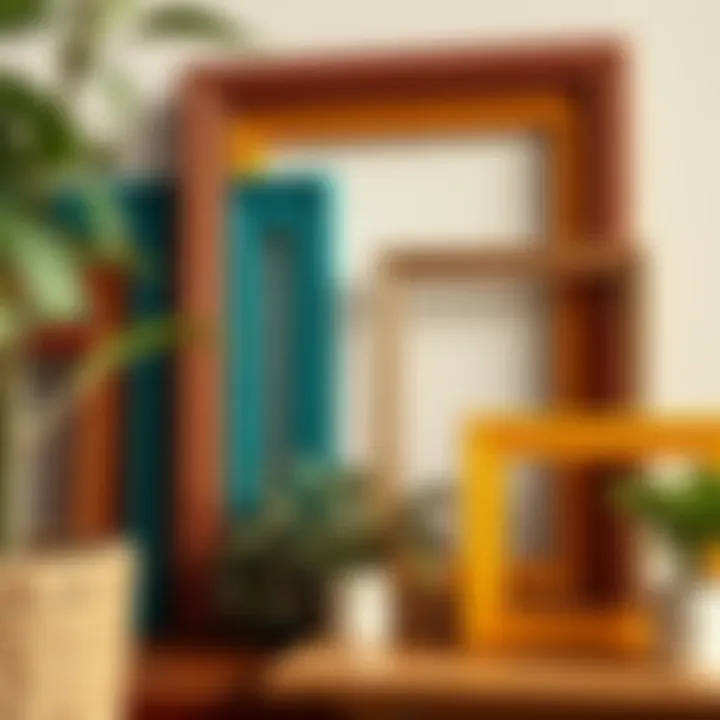
Imagine a frame crafted from salvaged barn wood, exhibiting character with each nail and crevice. Not only does it provide a rustic charm, but it also supports sustainable practices by repurposing materials that might have otherwise gone to waste. Such frames can come in numerous colours, from subtle pastels to vibrant hues, providing an eye-catching contrast to artwork while promoting an eco-conscious lifestyle.
"Incorporating sustainable materials into design is not a luxury, it's a necessity; it reflects our values and commitment to future generations."
Moreover, manufacturers are beginning to explore non-toxic paints and finishes for coloured frames, further broadening the appeal for those who prioritize a healthy living environment. It's worth noting that this shift can bring new opportunities for branding, as consumers increasingly seek out products that align with their values.
DIY Coloured Frame Projects
The do-it-yourself movement has certainly made a splash in the world of home decor, and coloured frames are no exception. A DIY project not only integrates personal creativity but also resonates with home personalization. This trend fosters a sense of ownership and uniqueness that mass-produced frames simply cannot offer.
Consider a weekend spent transforming a basic frame with a splash of colour, some patterned paper, and a few embellishments. The result is a one-of-a-kind piece that harmonizes with one’s personal taste. Here are a few ideas for DIY coloured frame projects:
- Stencil Art: Using stencils, one can create intricate patterns on wooden frames, giving them a designer touch without the hefty price tag.
- Decoupage Techniques: Apply fabric or patterned paper onto frames for a playful twist. The result can be a stunning piece that complements the artwork it holds.
- Ombre Effects: Experiment with gradual colour changes for a modern look that draws the eye effortlessly.
These projects not only provide an opportunity for individuals to showcase their artistic flair but also encourage the use of leftover materials, contributing to reduced waste. It's a win-win situation—creative freedom meets sustainability.
Practical Applications
In the realm of interior design and personal expression, understanding the practical applications of coloured picture frames can significantly impact how we display memories and artistry. This section delves into the nuances of utilizing picture frames beyond mere decoration. The importance of these practical applications lies in their ability to not only enhance aesthetic value but also influence the functionality of a space. Coloured frames serve as versatile elements in both personal and professional environments, allowing individuals to make creative decisions that echo their personal tastes or align with the branding and atmosphere of a business.
Frames for Personal Memorabilia
When it comes to displaying personal memorabilia, coloured picture frames act as portals to cherished memories. Whether it's a wedding photo, a child's artwork, or a souvenir from a memorable vacation, the right frame can elevate these items from simple keepsakes to unforgettable focal points in your home. Here are some considerations to make the most of this:
- Choosing Suitable Colors: The colour of the frame can either complement or contrast the artwork inside. For instance, vibrant frames can bring out the colours in a child's drawings, while more subdued tones might enhance the elegance of a wedding portrait.
- Grouping Different Items: Using coloured picture frames of various sizes and shapes to create a cohesive gallery wall can add dynamic interest. As you mix and match, consider a consistent colour palette to maintain balance. Think of it as composing a visual melody; the frames are like different instruments that create harmony in your decor.
- Seasonal Themes: One practical tip is to swap frames or artwork with the seasons. For example, bright frames might suit summer while deeper hues might contrast beautifully against winter whites. This adds a sense of freshness without requiring a complete overhaul of your decor.
Utilizing Frames in Professional Spaces
In professional settings, coloured picture frames can communicate brand identity and contribute to the overall atmosphere. They offer a unique opportunity to reinforce a company’s image while providing a human touch in otherwise sterile environments. Implementing frames in offices, reception areas, or conference rooms can enhance both professionalism and creativity. Consider the following points:
- Brand Alignment: Frames should reflect your brand’s colours or ethos. A tech startup might opt for sleek, modern frames in vibrant hues, while an antique shop may find vintage frames in muted palettes to align with their nostalgic branding.
- Corporate Art Displays: Curating artwork in coloured frames can be a strategic move. Selecting art that resonates with your team or clientele can create a welcoming atmosphere. It’s not just about filling space; it’s about crafting an experience.
- Employee Recognition: Highlighting employee achievements with coloured frames can boost morale and foster a positive culture. Using frames that match the office scheme ensures these displays blend seamlessly yet stand out.
"A frame is not just a boundary; it is a bridge between the moment captured and the world surrounding it."
In summary, effective use of coloured picture frames can transform personal spaces and professional environments alike. They serve far beyond simply showcasing art; they bring personality and life to any setting.
Styling with Coloured Picture Frames
Styling with coloured picture frames is not just an art; it reflects personal taste and enhances the overall aesthetic of a space. It allows individuals to express themselves while harmonizing the appearance of their home or office. Choosing the right coloured frames can make the difference between bland and breathtaking, thus emphasizing the significance of this topic in elevating interior designs.
Creating Gallery Walls
Creating a gallery wall is akin to telling a story through visuals. When you curate various images, each piece resonates with memories, emotions, and artistic styles. The trick is in the arrangement and selection of frames. By utilizing coloured frames, you can transform a sparse wall into a vibrant narrative.
Here are some considerations for successful gallery walls:
- Theme Coordination: Choose a colour palette that fits the overall theme you desire. For instance, subdued colors may evoke calmness, while brighter hues can create energy.
- Frame Sizes and Shapes: Mix and match different sizes to create visual interest. A big frame can be a focal point, surrounded by smaller, complementary frames.
- Spacing and Arrangement: Leave adequate space between frames. Aiming for an evenly spaced layout helps maintain a cohesive look. You might try laying your design on the floor before hanging to visualize the final arrangement.
In a nutshell, a gallery wall is an opportunity for creativity and self-expression, allowing personalised touches in any setting.
Combining Different Frame Styles and Sizes
Combining different frame styles and sizes can evoke elegance and dynamic energy in your decor. Rather than sticking to one style, why not celebrate diversity? This approach allows for both classic and modern aesthetics to coexist beautifully. Here’s how:
- Embrace Diversity: Mixing different materials—wood, metal, and even acrylic—can create textures that attract the eye. Adding frames with unique designs or embellishments can also enhance the overall style.
- Balance is Key: While variety is desirable, balance is crucial. You can aim to keep some elements consistent, like the colour of the frames or the type of art displayed, which helps unify the collection.
- Keep a Flow: When combining various sizes and styles, you'll want to keep a natural flow that guides the viewer’s gaze. It could be as simple as arranging frames in an organic shape, rather than a strict grid.
Ultimately, different frame styles and sizes not only showcase the art but also reflect a captivating visual dialogue that draws attention.
Remember: Your frames are not merely holders for art; they are integral in enhancing the emotional vibe of any space. The right choice can surprise you with how much they can elevate the ambience.
Maintenance and Care
Proper maintenance and care for coloured picture frames is crucial to preserve both their aesthetic appeal and integrity over time. Frames can be a significant investment in the decor of a space, and taking the time to care for them ensures that they remain a vibrant and eye-catching element in any room. A well-maintained frame reflects not only your commitment to your personal style but also enhances the longevity of the artwork it houses.
When the day is done, and people begin to notice every little detail of your home, a dusty or chipped frame can distract from even the most stunning artwork or photographs. Thus, regular cleaning and a few thoughtful precautions can help prolong the life and beauty of coloured frames. In this section, we will explore effective cleaning techniques and the importance of preserving frame colour and finish.
Cleaning Techniques for Coloured Frames
Cleaning coloured picture frames is a straightforward task but requires careful consideration of materials and methods to avoid damage. Here are some tried-and-true techniques that can make your frames shine:
- Dust Regularly: Use a soft, lint-free cloth to gently wipe down the frames. Microfiber cloths are ideal because they attract dust without scratching the surface.
- Gentle Cleaning Solutions: For more stubborn stains or smudges, mix a mild soap solution with water. Dampen the cloth with the solution—never saturate it—and gently clean the frame.
- Avoid Harsh Chemicals: Steer clear of abrasive cleaners and overly strong chemical products, as they can strip the frame's colour and finish.
- Inspect Glass: If the frame has glass, clean it using a glass cleaner and a microfiber cloth, ensuring no streaks remain. It’s often great to clean the glass before cleaning the frame itself.
"An ounce of prevention is worth a pound of cure."
This popular saying rings true when it comes to looking after your frames. A little bit of maintenance now can save significant effort down the road.
Preserving Frame Colour and Finish
It’s not just about cleaning; preserving the colour and finish of your coloured frames is equally vital in keeping them looking their best. Here are some considerations to keep in mind:
- Control Exposure to Light: Direct sunlight can fade colours over time. Place frames in locations where they’re not exposed to harsh light for prolonged periods. Use UV-filtering glass to protect your frames when displaying them in sunny areas.
- Stable Climate: Environmental factors like humidity and temperature can affect the materials of both the frame and the artwork. Maintaining a stable climate can prevent warping or discoloration.
- Avoid Physical Impact: Handle frames with care and be mindful of how they’re hung. A fall can damage both the frame and the artwork within.
To summarize, maintaining and caring for coloured picture frames requires diligence and attention to detail but is necessary to ensure they remain an impressive component of your interior design. Regular cleaning and thoughtful preservation of colour and finish keep your frames looking vibrant, turning heads for years to come.
For more resourceful guidance, consider visiting Wikipedia on Frame Design or Britannica for Historical Insights which provide deeper understanding on this topic.
End
In reflecting upon the various facets discussed in this guide, it becomes clear that coloured picture frames serve a dual purpose in home decor. They not only enhance the aesthetic appeal of a space but also contribute to the storytelling aspect of art display. Their choice and placement can introduce depth to a room, creating focal points that draw the eye and spark interest.
Reflecting on the Role of Coloured Frames
Coloured frames do more than just encase artwork; they play a pivotal role in how art is perceived and appreciated. The choice of colour can influence mood and ambiance, setting a tone that resonates with personal taste or the intended message of the artwork. For instance, a bold, red frame may exude passion and energy, while a soft, pastel frame could evoke a sense of calm and tranquility.
Moreover, the versatility of coloured frames allows them to find a place in a myriad of design styles, from contemporary to vintage. Whether used in minimalist settings or as part of a more eclectic gallery wall, they seamlessly adapt to complement various themes. This adaptability further highlights their importance in interior design, as they provide a simple means of injecting personality into a space.
"The right frame can transform art into an experience, turning the mundane into something extraordinary."
Future Prospects in Picture Framing
Looking ahead, the trends in picture framing are likely to continue evolving with the changing tastes and environmental considerations. There is a growing interest in sustainable materials, ensuring that frames not only serve as a stylish accessory but also as an eco-friendly choice. This shift could influence the types of materials used, leading to the popularization of recycled wood or bioplastic frames.
In addition, technology is poised to enhance how we engage with picture framing. Imagine frames that adjust their lighting or even colour based on the time of day, optimizing the viewing experience. With the rise of smart technology in home decor, the future could hold frames that do more than frame—they adapt and respond to their surroundings.
As individuals continue to search for unique ways to express themselves in their living spaces, the potential for innovation in picture framing seems limitless. The continuous integration of art, design, and sustainability will pave the way for coloured frames that not only beautify but also resonate with the values of future generations.