Exploring At-Home Wall Hangings for Personal Style
Intro
Wall hangings—it’s a term that barely scratches the surface of their potential impact in our living environments. As we step into an era where personal expression is paramount, wall art has transformed from a mere decorative option into a source of identity. This article takes a thorough look into the captivating world of at-home wall hangings, exploring how they contribute to our unique spaces. We will dissect this intricately woven tapestry of styles, materials, and techniques to elevate your interior design approach, while also considering the shifting tides of design trends and sustainable practices.
Design Trends
Today’s design landscape reflects a confluence of past and present influences clad in contemporary aesthetics. Much of what is seen around us in the realm of wall hangings is a fusion of style, functionality, and individual expression.
Contemporary Styles
Walking through a home nowadays, the walls tell a story—each hanging a brushstroke of personality. From abstract art reminiscent of a Jackson Pollock to minimalist pieces echoing the philosophy of less is more, contemporary wall hangings are as varied as the people displaying them.
- Textile Art: A growing trend, utilizing woven pieces or fabric scraps that can bring warmth and texture into a space.
- 3D Installations: The use of three-dimensional elements that aim to immerse rather than merely adorn the walls.
- Gallery Walls: These eclectic displays allow for a curated mix of personal photographs, art pieces, and even mementos, reinforcing the narrative of personal expression.
Color Palettes and Materials
When it comes to colors, they can evoke emotions and moods. Thoughtful use of color can dramatically shift the vibe of a room.
- Earth Tones: Warm browns, muted greens, and soft beiges that connect us to nature.
- Bold Contrast: Bright yellows, deep blues, and vivid reds that can provoke thought and conversation.
Regarding materials, the choices vary widely:
- Reclaimed Wood: Perfect for those leaning towards sustainability, these pieces add rustic charm while reducing waste.
- Metal and Glass: Oftentimes used to create sleek, modern appeal, they're eye-catching and sophisticated.
"A well-chosen wall hanging has the power to elevate space from ordinary to extraordinary, transforming bare walls into compelling narratives."
Functional Solutions
Beyond aesthetics, wall hangings often serve practical purposes, merging beauty with utility in a manner that respects the space they inhabit.
Ergonomic Furniture
As many of us transition to remote work, layering in art that complements ergonomic solutions is key. The fusion of comfort and decorative sophistication promotes both productivity and well-being. Look for pieces that harmonize with functional furniture designs, like wall-mounted shelves that are adorned with framed art while also serving as storage.
Space Optimization Tips
Making the most of what is often perceived as limited space can be an art form in itself.
- Vertical Display: Utilize high wall spaces for taller installations, drawing the eye upward and creating the illusion of height.
- Multipurpose Installations: Consider wall hangings that also function as storage, like artistic panels with hooks or shelves, marrying form and function while reducing clutter.
The art of selecting and arranging wall hangings can enrich one's living quarters, shaping them into tailored spaces that tell a story—a narrative steeped in personal connection, artistry, and thoughtfulness.
For more inspirational decor ideas, visit resources like Wikipedia, Britannica, and community discussions on Reddit about interior design trends.
This exploration merely scratches the surface, and the journey through wall hangings is as personal as the dwellings themselves.
Understanding Wall Hangings
Wall hangings hold a special place in home decor, serving as both art and personal expression. These pieces, often bearing intricate designs or stunning visuals, can transform the ambiance of a room, reflecting the personality and style of those who inhabit the space. Understanding wall hangings involves delving into their definition, purpose, and the historical context that has shaped their significance over time. This comprehension not only enhances one’s appreciation of these decorative items but also guides informed choices when incorporating them into home design.
Definition and Purpose
Wall hangings are decorative items affixed to walls, ranging from paintings and prints to textiles and 3D objects. Their primary purpose is multifaceted: they enhance the aesthetic appeal of a room, add texture, and can even serve as conversation starters. The choice of wall hanging often aligns with the overall style of the home, whether modern, rustic, or eclectic. Additionally, they play an essential role in creating focal points within a space. For instance, a large canvas print can draw the eye in a living room, while a simple tapestry might add warmth to a bedroom.
Moreover, wall hangings can contribute to a specific mood. Bright, vibrant artwork may energize a room, while softer, muted tones can promote relaxation. Thus, the selection of these pieces is not merely about decoration; it significantly influences the psychological atmosphere of one’s living environment.
Historical Context of Wall Hangings
Historically, wall hangings have been more than just aesthetic additions to a space. From ancient civilizations to contemporary practices, they have served cultural, social, and practical purposes. For example, tapestries originated in the Middle Ages, often depicting complex scenes from mythology or history. They were not only used for decoration but also to provide insulation in large, drafty rooms.
In many cultures, specific wall hangings symbolize status or convey important values. Indigenous peoples, for instance, have used woven pieces to tell stories, sharing knowledge and tradition through their art. This cultural aspect enriches the understanding of wall hangings, as they embody the history and heritage of the communities that create them.
"Art is an essential part of culture, an expressing of emotions shared among people throughout history. Wall hangings capture this essence beautifully."
Today, while the function of wall hangings has evolved primarily towards decoration, their origins remind us of their deep-rooted significance in human expression. A thoughtful selection of wall hangings can bridge the past and the present, enhancing not only the physical appearance of a space but also its emotional aura.
Types of Wall Hangings
When it comes to at-home wall hangings, the variety available can feel overwhelming yet exhilarating. Each type of wall hanging serves a different purpose and can transform a space in unique ways. Understanding the different categories allows homeowners, decorators, and designers to make informed choices that resonate with the mood and personality of a living area. Wall hangings can become a focal point, conveying style and offering depth to a room. As you navigate through this section, you'll uncover how these artistic expressions not only adorn walls but also play crucial roles in underlying themes of comfort, storytelling, and ambiance.
Artistic Pieces
Artistic pieces can take many forms, such as paintings, prints, and original artwork by local artists or even emerging talents. These creations often express personal stories or broader themes that reflect one's aesthetics.
- Uniqueness: Original works or limited editions bring a sense of individuality to a space. Choosing art that resonates personally can evoke emotions and even spark conversations.
- Variety: The medium also matters. From oil paintings bursting with color to minimalist black-and-white sketches, artistic pieces encompass a wide spectrum of styles and executed techniques.
- Curation: Collecting art is somewhat like curating a visual diary. Each piece can mark a significant moment in life—perhaps a trip to an art fair or an impulsive buy during a gallery visit. This not only adds a personal touch but also creates a narrative woven into the fabric of one’s home.
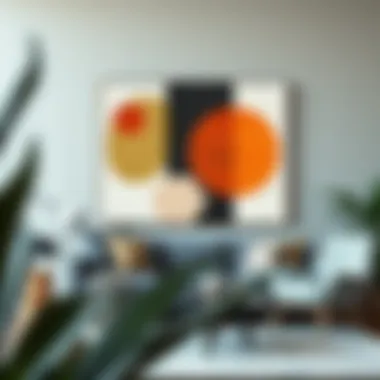
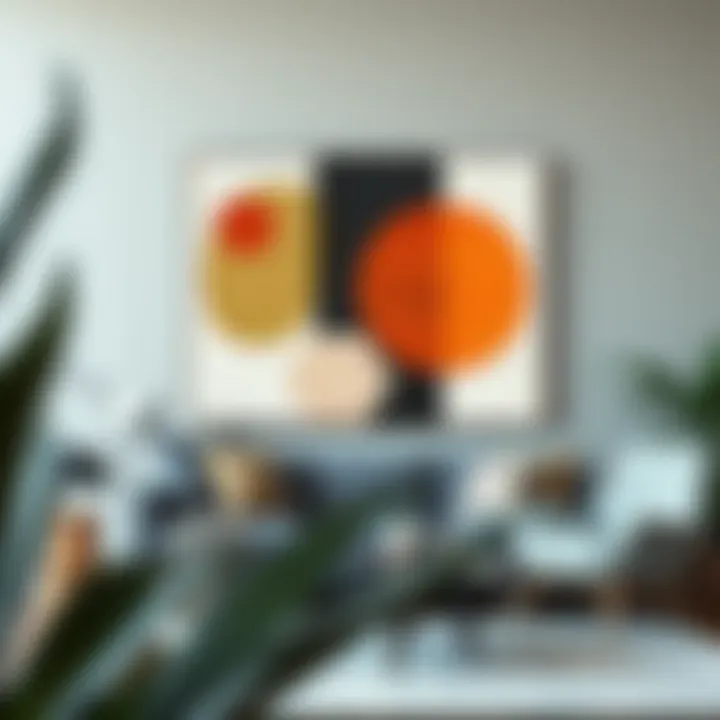
Artistic pieces bring life to a wall, making it a canvas of self-expression that often communicates something deeper than mere decoration.
Textiles and Tapestries
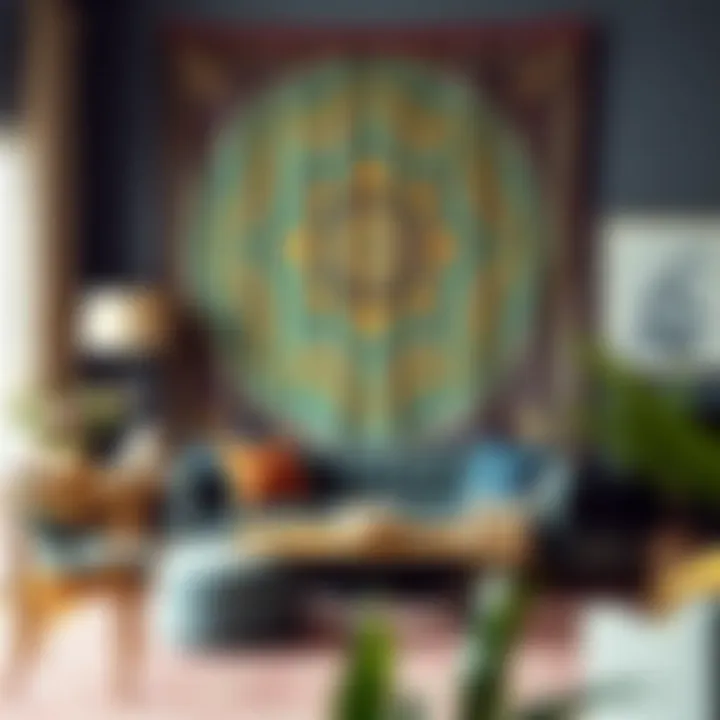
Textiles and tapestries introduce a tactile element to wall hangings, infusing warmth and depth through texture and movement. These textiles can range from traditional woven tapestries to modern fabric art.
- Functionality: Beyond mere aesthetics, tapestries can serve practical functions. They’re great for sound dampening—a welcome trait in open floor plans.
- Alignment with Culture: Many cultures utilize textiles as a means of storytelling. A beautifully woven tapestry from Peru, for instance, not only beautifies the wall but also showcases a rich heritage.
- Color Palette and Texture: Textiles come in an array of colors, shapes, and sizes. The soft textures can soften harsh lines in a room, contributing to a cozy atmosphere. An oversized textile piece can often serve as the perfect backdrop or create a stunning contrast against a sleek wall.
The use of textiles and tapestries allows for layering—styling and arranging them in various ways can generate a dynamic and engaging visual narrative on your wall.
3D Wall Art
3D wall art transcends traditional dimensions and brings depth to the concept of wall hangings. Pieces like wooden cutouts, metal wall sculptures, or even assemblages of found objects give a room a sculptural presence.
- Dimension: The ability to add dimension creates enhanced interest and a tactile experience. These pieces can play with light and shadow, shifting throughout the day as the sunlight changes angle.
- Creativity: Installations such as wall-mounted plants or mixed media pieces cultivate a conversation piece that transforms the simplicity of a flat wall.
- Versatility: 3D art can be combined with traditional pieces for an eclectic mix, allowing the homeowner to evoke a standout style. It invites viewers to explore the artwork from different angles, encouraging interaction and engagement.
Incorporating 3D wall art into a living space can challenge the flatness of traditional decor while making it more lively and inviting.
Through the exploration of various types of wall hangings, you can see how they enable homeowners and designers to offer their distinct story while simultaneously enhancing the overall aesthetics and function of their spaces.
Materials Used in Wall Hangings
When it comes to wall hangings, the choice of materials plays a pivotal role in both the aesthetic and functional aspects of a space. Understanding various materials allows individuals to make informed decisions, ultimately creating an environment that resonates with their personal style while serving practical purposes.
Different materials evoke certain feelings, tell stories, and reflect cultural significance, which can offer depth to your interior decor. There's also much to consider in terms of durability, texture, and maintenance. Below, we dive into two main categories that have shaped the world of wall hangings: traditional materials and modern alternatives.
Traditional Materials
Traditional wall hangings are often made from materials that have stood the test of time, each bringing unique attributes to the table. Here are a few key materials that have held cultural and historical importance:
- Wood: This classic choice provides warmth and can range from rustic designs to refined carvings. Think of wood panels or handcrafted motifs that not only serve as art pieces but also connect to nature.
- Fabric: From intricate tapestries woven with care to simple quilts, fabric hangs tell stories. They can absorb sound, creating a cozy atmosphere while adding color and pattern.
- Metal: Known for its durability, metal wall hangings might feature intricate designs or striking geometric shapes. This material often lends itself to creating modern looks while honoring traditional techniques in craftsmanship.
- Ceramics: Wall art made from ceramic tiles or pottery pieces can turn a wall into a vibrant mosaic of colors. Their glossy finish can reflect light beautifully, thereby enhancing the overall space.
These materials not only contribute to the overall visual harmony but also have practical benefits, such as sound absorption and durability. However, they require varying degrees of maintenance and care, which a homeowner should consider when choosing their wall decor.
Modern Alternatives
As we journey through the ages, newer materials have burst onto the scene, responding to contemporary design needs and environmental considerations. Imagine the diverse options available today, which include:
- Acrylic and Plexiglass: These trendy materials offer a modern look while being lightweight and easy to handle. They allow for colorful graphics or artwork that can be suspended or layered, creating striking three-dimensional effects.
- Recycled Materials: Sustainability in design has led to inventive uses of recycled items. Think of old newspapers transformed into unique wall art or reclaimed wood giving off an air of history while being eco-friendly.
- Canvas: While not entirely modern, canvas has grown popular due to its versatility and ease of personalization. Artists can print or paint directly onto canvas, allowing for a broad range of textures and styles.
- Digital Media: With technology on the rise, digital art displayed using screens is becoming commonplace. It offers endless possibilities for art that changes with a simple click of a button.
"The material of your wall hanging is as essential as the piece itself; it sets the tone for the space and speaks volumes about your taste."
When selecting wall hangings, embracing the balance between tradition and modernity can lead to the formation of a dynamic and inviting atmosphere that feels genuinely at home.
Design Trends in Wall Hangings
Design trends play a pivotal role in shaping the way we think about wall hangings in our personal spaces. With changing aesthetics and the influence of cultural movements, wall hangings have increasingly become a means of self-expression and reflection of one’s personal identity. Embracing the current trends can enhance your home’s ambiance, revealing not only your tastes but also your values. Understanding these trends is essential for anyone looking to create an inviting environment where form meets function. As we explore these trends, we find that they push the boundaries of creativity and sustainability, encouraging a thoughtful approach to interior design.
Minimalism
Minimalism might just be the zenith of modern aesthetics—function meets simplicity in the purest form. This design trend strips down wall hangings to their essentials, favoring clean lines and a limited color palette. A well-placed monochromatic artwork or a simple geometric canvas can bring a sense of calm to a room cluttered with visual noise.
The beauty of minimalism lies in its ability to create breathing room; spaciousness is communicated through negative space. A single, stunning piece of art can become a focal point, inviting the eye to linger while avoiding overwhelm. For individual artists or brands that reflect this philosophy, check out local galleries or even online platforms like Instagram that showcase minimal art.
- Key considerations for embracing minimalism in wall hangings include:
- Choosing artworks that utilize a limited color scheme.
- Opting for frames that fit the minimalist aesthetic—think sleek and simple.
- Arranging pieces with plenty of negative space around them.
Eclectic Styles
Eclectic styles contrast sharply with minimalism, drawing from different eras, cultures, and art forms to create a unique tapestry of wall decor. The eclectic approach encourages mixing an array of textures, colors, and styles, resulting in spaces that burst with personality. It’s like telling a story through art—one filled with chapters from various sources and inspirations.
Choosing eclectic wall hangings involves more than just slapping art on the wall. A thoughtful curation of pieces—like combining vintage botanical prints with contemporary abstract pieces—adds visual intrigue and depth. Not to be underestimated, wall hangings in an eclectic style can create dialogue and provoke thought, making for a vibrant living space that continuously reveals new details.
- Elements to consider when adopting an eclectic style include:
- Mixing materials: Combining textiles, metals, and woods creates varied textures.
- Layering smaller prints and photos for a gallery wall feel while maintaining a coherent theme.
- Picking different frame styles to give each piece a distinct character.
Sustainable Practices
In an age where environmental consciousness is paramount, sustainable practices have begun to influence wall hanging trends significantly. More than just a trend, the shift towards eco-friendly materials represents a broader movement in design that prioritizes health for our planet. Homeowners and designers alike are seeking wall art made from repurposed materials, non-toxic dyes, and sustainable woods.
Artisans are increasingly crafting wall hangings with reclaimed wood or canvas, embodying the essence of sustainability while providing unique, character-rich pieces. Integrating these sustainable practices into design not only beautifies a space but also instills a sense of responsibility towards the environment.
- Sustainable choices in wall hangings can include:
- Selecting pieces produced by local artists with eco-conscious practices.
- Focusing on crafts that utilize materials like recycled glass or reclaimed wood.
- Incorporating art that conveys a message of sustainability, perhaps through nature-themed designs.
"Investing in sustainable wall hangings not only enhances your space but aligns your choice with a greater good."
With evolving designs and themes, wall hangings are no longer mere decor items; they shape our environments and express our values. Understanding the latest trends enables enlightened selections that reflect our individual styles while embracing the larger dialogues around sustainability and creativity.
Psychology of Wall Hangings
The intersection of psychology and wall hangings presents a fascinating narrative about how our living spaces reflect, influence, and even dictate our moods and emotional states. Wall art isn't just about aesthetics; it plays an undeniable role in shaping the atmosphere of a room and our overall experience within it. Understanding these psychological elements can aid interior designers, architects, and retailers in creating spaces that resonate positively with inhabitants and visitors alike.
Impact on Mood and Atmosphere
Consider your last stroll through a gallery. Was there a piece that stopped you in your tracks? Maybe a bold, abstract painting drew you in, or a serene landscape evoked a sense of peace. The impact of wall hangings on mood is immense and cannot be overlooked.
Different styles and content of art can elicit various emotional responses. For example, vibrant colors tend to uplift spirits, while cooler tones might promote calm. Hanging an artwork with a dynamic subject or energetic color palette could infuse a room with excitement and creativity, nudging those within to think outside the box. On the flip side, soft hues and gentle imagery might turn a space into a tranquil retreat—a cozy nook for reading or meditation.
Some studies suggest that artwork featuring natural scenes can reduce stress and enhance feelings of well-being, thus it’s no wonder that designers often utilize photographs of landscapes or botanical prints in spaces meant for relaxation. In workplaces, incorporating art that encourages motivation can improve productivity, shift perspectives, and even spark collaboration among teams.
"Your space is a reflection of your mind; choose your walls wisely."
Color Theory and Wall Hangings
Color theory plays a pivotal role in how we perceive wall hangings and what emotional response they engender. Each color communicates different sentiments and concepts.
- Red: Associated with passion and energy, it can stimulate action.
- Blue: Often perceived as calming, it evokes feelings of tranquility and stability.
- Yellow: Bright and cheerful, this color is great for sparking creativity, though too much can cause anxiety.
- Green: Symbolizing nature and growth, it promotes a sense of harmony.
- Purple: Historically linked to luxury and ambition, it can encourage introspection.
When selecting wall hangings, consider not only the colors incorporated within the piece but also how they will mesh with your overall design scheme. Complementing existing hues in a room can enhance harmony, whereas contrasting colors may create an energetic clash inviting discourse.
Moreover, the concept of color psychology applies to geographical and cultural interpretations as well. For instance, bright and bold colors may resonate positively in Western cultures, while more muted tones might be favored in Eastern aesthetics. This adds another layer of depth when one is contemplating wall hangings, demanding a consideration of the viewer's background and experiences.
Incorporating a thoughtful selection of colors into your decor allows for a deliberate and mindful approach to creating spaces that not only function aesthetically but also emotionally engage and uplift those who inhabit them.
Choosing the Right Wall Hanging
Choosing the right wall hanging is not just a matter of aesthetics; it's about harmonizing your personal style with the atmosphere of your space. Wall hangings can transform a mundane wall into a statement piece, reflecting individuality and taste. In this journey of selecting the ideal wall hanging, several factors come into play, including the overall design of the room, the size of the wall space, and the emotional connection one might have with the chosen artwork or piece.
By understanding what aligns well with your room's character, you can create a cohesive look that resonates with the essence of your environment. Choosing the right wall hanging involves thoughtful consideration of space, color, and the emotional impact these pieces have on the room and its occupants. Whether you are sprucing up your living space, seeking to amplify the charm of an office, or creating a tranquil sanctuary at home, the selections made here can profoundly influence the mood and functionality of the area.
Assessment of Space and Style
Before making any hasty purchase decisions, it is crucial to assess the space where the wall hanging will reside. The walls in a home or office are not merely physical barriers; they provide dimension and scale, which can heavily influence the selection process. Start by understanding the features of your room:
- Wall Size and Shape: Measure the wall you intend to decorate. A small picture on a large wall can appear lost, while a massive piece on a tiny wall can feel overwhelming. The shape of the wall also matters; for instance, a long horizontal wall may benefit from wider, landscape-oriented pieces.
- Existing Decor: Consider the colors, textures, and themes already present in the room. A bohemian tapestry may clash with sleek, modern furnishings, while a minimalist abstract may complement a contemporary setting beautifully.
- Lighting Conditions: Natural or artificial lighting can affect how colors and materials are perceived. Warmer light conditions might work well with earthy tones, while cooler lighting might favor more vibrant colors.
By aligning the wall hanging with these elements of your space, you can achieve a look that is not only stylish but also thoughtfully curated, emphasizing the overall décor and enhancing the environment.
Scaling and Proportion
Scaling and proportion are essential components when it comes to wall hangings. The right balance between the size of the artwork and the dimensions of the wall creates visual harmony. It's important to maintain an appropriate scale that draws the eye without overpowering other elements in the room. Here’s a closer look:
- Proportional Relationships: A good rule of thumb is to ensure that the wall hanging occupies about two-thirds to three-quarters of the available wall space to create a compelling focal point without appearing too cramped. Larger pieces can take center stage in expansive spaces, while smaller, clustered pieces can bring intrigue to more intimate areas.
- Groupings and Arrangements: When opting for multiple smaller pieces, consider arranging them in harmonious clusters. Create a sense of flow and rhythm by maintaining equal spacing between the pieces, ensuring they complement rather than compete with one another. You might try out various layouts using painter’s tape on the wall to visualize different arrangements before hammering the nails.
- Vertical and Horizontal Balancing: Keep in mind that the position of the wall hanging in relation to the furnishings below is significant. Hang artwork at eye level, and keep in mind the height of furniture, such as sofas or tables. Aligning the bottom of the piece with surrounding furniture can create balance and a sense of cohesiveness in the room.
"A carefully selected wall hanging can serve as the heartbeat of a room—its pulse set by the way it's displayed and integrated into the space."
By paying attention to scaling and proportion, the process of choosing wall hangings becomes a rewarding endeavor that enhances the visual narrative of your interior spaces.
Arranging Wall Hangings
The process of arranging wall hangings is crucial not just for aesthetic appeal but also for crafting a unique atmosphere within a space. An effective arrangement can transform bare walls into vibrant stories that reflect personality, creativity, and style. Each piece tells a story, and the way they are positioned can greatly influence the mood of a room. If you're looking to elevate a space, understanding how to properly arrange wall hangings becomes essential.
When considering arrangements, a few key elements come into play:
- Scale and Proportion: The size of the wall hanging in relation to the wall and surrounding furniture matters immensely. A small piece on a large wall might get lost in the shuffle, while oversized art can dominate a space if not well-placed.
- Balance and Symmetry: Achieving visual balance is about placing items in a manner that feels cohesive. This might mean positioning similar-sized pieces across from each other or creating symmetry with pairs.
- Theme and Color Coordination: Color can unify diverse pieces, while a shared theme can tie them together. Whether it’s a vibrant color palette or a series of monochromatic designs, consistency will help create visual harmony.
Ultimately, arranging wall hangings is more than just putting items on a wall—it's about evoking emotion and enhancing the experience of the space.
Layout Techniques
Effective layout techniques for wall hangings can dramatically influence the overall aesthetic of a room. To create a visually pleasing arrangement, consider these methods:
- Grid Formation: This technique involves organizing pieces in a straight line or square layout. It works particularly well in modern or minimalist settings, allowing the art to breathe without overwhelming the space.
- Salon Style: This approach is a bit more eclectic and involves clustering various works together, mixing different sizes, styles, and frames. It creates a gallery feel and can inject energy into a room.
- Linear Arrangements: If you opt for a linear arrangement, aligning pieces along a specific line—either horizontally or vertically—can help guide the eye and create a flow throughout the room. This method works particularly well in hallways or narrow spaces.
- Overlapping Pieces: This technique adds dimension to the display and encourages a sense of depth. Overlapping smaller pieces over larger ones or even layering them can lead to an interesting visual experience.
Don’t be afraid to experiment and find a layout that resonates with your personal taste! Sometimes, the most unexpected arrangements can lead to the most stunning displays.
Creating a Focal Point
When it comes to wall hangings, establishing a focal point can decisively influence the viewer’s experience. A focal point draws the eye and sets the tone for the space, guiding the viewer's attention. It’s often a standout piece—the star of the show, if you will.
To create an effective focal point through wall hangings, consider the following:
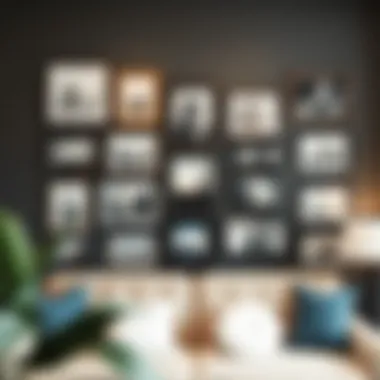
- Placement: The location of the wall hanging matters. Centering a larger piece above a sofa or above a fireplace can create a natural focal area. However, you could also choose an off-center focal point for an unexpected twist that sparks intrigue.
- Contrast: Utilizing contrast can make your focal point stand out. If your background is muted, consider a colorful piece as your focal point. Equally, dark art can pop against a lighter backdrop.
- Layering: Layering different elements around your focal point can enhance its prominence. For example, flanking a larger piece with smaller items can create an engaging look, emphasizing the centerpiece while maintaining interest.
Creating a focal point requires thoughtfulness but offers significant payoffs. It can transform a simple wall into a conversation starter, enriching the visitor's experience and offering deeper insights into personal styles.
"A well-placed piece of art can hold the room together, offering depth and character that brings a space to life."
Maintenance of Wall Hangings
Maintaining wall hangings is often an overlooked aspect of home decor, yet it plays a pivotal role in preserving the aesthetic value and longevity of these decorative pieces. Just like the well-tended garden, well-maintained wall art can significantly enhance a room’s appeal. Beyond mere cleaning, it encompasses knowing how to care for various materials, understanding their specific needs, and ensuring they stay vibrant and striking for years to come. This focus on maintenance not only preserves artistic integrity but also reflects a commitment to quality interiors.
Cleaning Techniques
Cleaning wall hangings may seem straightforward, but each piece requires its distinctive approach. Here are some detailed methods to ensure your decor remains spotless:
- Dust Regularly: Start with a gentle dusting using a microfiber cloth or duster. This is particularly vital for textile pieces; dust can settle in the fibers and dull the colors over time.
- Testing before Cleaning: Before using any cleaner, it’s wise to test a small, inconspicuous area. This practice can prevent any unexpected damages to your wall art.
- Use Water Wisely: For most fabric hangings, a slightly damp cloth usually does the trick. Avoid soaking the fabric, as excessive water can compromise the integrity.
- Specialized Cleaners: For pieces made of delicate materials or finishes—like oil paintings—consider specialized cleaners or consult professionals. Going the extra mile can save a treasured piece from harm.
In addition to these methods, consider how environmental factors influence cleaning. For instance, a piece in a kitchen may attract grease and more particulate matter, necessitating more frequent cleaning than a piece in a rarely used room.
Preservation Tips
Preservation of wall hangings is as essential as their cleanliness. Different techniques can help safeguard these pieces against wear and tear:
- Proper Lighting: Avoid direct sunlight whenever possible, as it can fade colors over time. If natural light is unavoidable, consider using UV-filtering glass or protective coatings.
- Controlled Climate: Fluctuations in temperature and humidity can have adverse effects. Maintaining a stable environment can help prevent warping or discoloration. Ideal conditions often range around 70°F (21°C) with humidity levels between 30-50%.
- Secure Mounting: Ensure that the wall hanging is mounted properly. Use appropriate hardware to avoid sagging or falling, which can cause significant damage.
- Storage Recommendations: If you must take down wall hangings, store them flat in a cool, dry space. Use acid-free tissue between pieces to prevent scratching or color transfer.
"Maintaining the decor of your space is not just about visual aesthetics; it’s a form of respect for the artistry and craftsmanship embedded in each wall hanging."
Following these cleaning and preservation strategies can make a world of difference, ensuring that your wall hangings not only maintain their original charm but continue to resonate your style for years to come. For further insight into proper art preservation methods, consider resources such as American Institute for Conservation or explore general guidelines at Smithsonian Institution's preservation site.
In understanding the nuances of wall hanging maintenance, one can appreciate that these works of art are not merely decorations but reflections of identity, culture, and personal history. With thoughtful care, your wall decor can continually inspire and beautify everyday life.
Cultural Significance of Wall Hangings
Wall hangings are not just simple adornments that dress up empty space. They are reflections of cultural identity, historical narratives, and personal storytelling. In the ever-evolving landscape of interior design, understanding the cultural significance of wall hangings brings new layers of meaning to our living environments. Each piece embodies traditions and philosophies, often carrying with them the essence of the place and people from which they originate.
Across various cultures, wall hangings have distinct roles. For instance, in many African communities, vibrant textiles tell stories of ancestry and community events, encapsulating moments in time. Similarly, Japanese kimonos, adorned with intricate embroidery, are often hung as art, showcasing seasonal changes and cultural legends. These practices remind us that wall hangings are not mere decoration – they are vessels of heritage and connectivity.
Wall hangings provide a way to embrace diversity within home spaces. Different styles create varied atmospheres; for example, bohemian tapestries bring a laid-back, free-spirited vibe, while formal portraits can transform a space into one that radiates sophistication. By incorporating pieces from various cultures, one can create a dynamic visual dialogue that celebrates global narratives.
"Art is a reflection of society, and wall hangings do this by acting as a mirror, reflecting the diverse cultures that bind us together."
Global Practices and Styles
The global richness of wall hanging practices is evident in the many styles that have developed over the years. In South America, handcrafted weavings serve both functional and decorative purposes. The Andean textiles boast bright colors and geometric patterns, often depicting local wildlife and traditional motifs that resonate deeply with the communities they stem from.
Meanwhile, Middle Eastern tapestries often showcase intricate patterns inspired by nature, adding layers of texture and warmth to interior spaces. The tradition of macramé, which has gained popularity in recent years, connects to several cultures, primarily those of Mediterranean origins, where it was utilized to create both functional and decorative pieces.
In modern homes, these elements invite a sense of global harmony and appreciation. They allow us to engage with the stories and practices of diverse cultures in a direct and aesthetic manner. Incorporating wall hangings from different regions not only enhances visual appeal but also inspires conversations and connections, allowing a glimpse into the lives of others.
Symbolism in Wall Art
Wall art holds deep symbolic meanings across cultures. For many, these symbols convey beliefs, aspirations, and messages. In Native American cultures, colors and designs in wall hangings often symbolize different aspects of life, from harmony and balance to stories of the earth and sky.
Colors, patterns, and motifs are not random but are steeped in significance. For example, red may represent strength, while blue can signify wisdom. This dimension of wall hangings offers a deeper understanding of art and how it shapes human experience.
Incorporating symbolic pieces can make a space more than just visually appealing – it can turn it into a sanctuary of meaning and intention, reminding its inhabitants of their values, dreams, and cultural stories.
Future Trends in Wall Hangings
As we step into a future defined by rapid changes in technology and a growing awareness of sustainability, wall hangings are poised to evolve in exciting ways. These trends are not just about what looks good on your walls; they reflect larger cultural shifts and new possibilities in art and decor. Understanding these future trends is crucial for anyone involved in interior design, architecture, or retail as they indicate both consumer preferences and innovative practices in the realm of home decor.
The world of wall hangings is at the brink of a transformation, shaped by advancements in technology and a commitment to sustainable practices. This section explores these pivotal elements, detailing the benefits and considerations of emerging trends.
Technology and Wall Art
Technology is no longer just a tool for creation; it’s become an essential component of wall hangings themselves. Smart art, which incorporates digital screens to display artwork, is gaining traction. Imagine a wall in your living room that can change its artwork at the push of a button or over a scheduled timeline. This not only offers versatility but also keeps the decor fresh without needing a complete overhaul.
Key Points in Technology and Wall Art:
- Digital Displays: High-resolution screens can showcase a multitude of artworks, photos, or even personalized designs. They cater to a variety of tastes, making them appealing for all kinds of spaces.
- Augmented Reality (AR): Some wall art now incorporates AR, allowing viewers to engage with the artwork in a way that goes beyond visual enjoyment. Scanning a piece with a smartphone could reveal hidden dimensions or stories behind the art, enriching the experience.
- 3D printed Artworks: Advances in 3D printing are allowing artists to craft intricate wall hangings that were once limited by traditional materials and methods. This new technology enables unique designs that draw the eye and spark conversation.
As these technologies advance, it’s paramount that consumers and designers consider the interface of art and technology, tapping into both artistry and innovation.
Sustainability and Innovation
Sustainability has shifted from a buzzword to a fundamental practice in design, and this is reflected in the materials and processes used in creating wall hangings. The rise in eco-conscious consumers demands that makers and designers pursue products that not only fulfill aesthetic desires but also consider the environmental impact.
Important Aspects of Sustainability in Wall Hangings:
- Recycled Materials: Creative use of reclaimed wood, repurposed textiles, and reclaimed metal is becoming increasingly common. These materials tell a story of recycling, which resonates with environmentally aware consumers.
- Biodegradable Options: New innovations are fostering the development of wall hangings that can decompose safely at the end of their life cycle, reducing landfill waste and environmental impact.
- Local Sourcing: Supporting local artisans and manufacturers minimizes transportation emissions and fuels local economies, which is appealing to conscientious customers.
"In the throes of a climate crisis, every design choice rings louder. Consumers today are leaning towards pieces that align with their values, and wall hangings are no exception."
As we look ahead, the intersection of technology and sustainability in wall hangings reflects a broader cultural shift towards more responsible creativity and innovation in home decor. This evolution not only enhances the aesthetic landscape of our homes but also embodies a commitment to a more sustainable future. Understanding these trends allows designers, architects, and retailers to harness these upcoming changes effectively and ensure that their offerings evolve in tandem with consumer expectations.