Exploring Hairpin Legs: Modern Furniture Design

Intro
In the realm of furniture design, aesthetics and functionality often dance a delicate tango, each partner influencing the other's performance. One design element that has made a noteworthy comeback in contemporary furniture is the humble hairpin leg. Born out of a need for both strength and style, hairpin legs encapsulate the philosophies of modern interior design. Today, homeowners and designers alike are re-discovering these sleek, minimalist structures, appreciating how they can transform a piece from mundane to eye-catching.
What underscores their appeal is not just the visual finesse they introduce to a space, but also their versatility. Whether it’s a coffee table, kitchen island, or side table, hairpin legs can be adapted across various furniture types. Additionally, they emphasize a sense of lightness in design, creating an open ambiance even in smaller spaces.
As we delve deeper into this article, we'll explore the historical roots of hairpin legs, consider current design trends, and reflect on practical considerations when integrating these striking legs into your homes. It's an exciting journey that promises to shed light on how something so straightforward can capture the imagination of modern designers.
Design Trends
In the ever-evolving landscape of furniture design, hairpin legs provide a blank canvas for creativity, seamlessly adaptable to various styles and themes. Here, we shall examine contemporary styles and the color palettes that enhance their beauty.
Contemporary Styles
Hairpin legs echo the essence of modernism, with their clean lines and understated elegance. This design fits effortlessly into several styles:
- Mid-Century Modern: Encompassing simplicity and functionality, this style thrives on the use of hairpin legs. Items like dining tables and benches become statement pieces, showcasing their sleek profiles against vibrant fabrics and natural woods.
- Industrial Chic: Here, the focus is on raw materials and an unfinished look. Hairpin legs, often constructed from steel, align perfectly with rugged finishes and reclaimed wood, lending a rugged charm to the space.
- Scandinavian Minimalism: Characterized by simplicity and form, Scandinavian design utilizes hairpin legs to create an airy feel, allowing natural light to flow gracefully throughout the area.
Color Palettes and Materials
When it comes to color palettes, hairpin legs demonstrate remarkable versatility:
- Metallic Hues: Sleek, metallic finishes such as brass or chrome lend a touch of luxury. These options work wonderfully with dark woods, creating a striking contrast.
- Bold Colors: Emerging trends witness hairpin legs being coated in bold colors, like teal or mustard, adding a playful touch to a room.
- Natural Finishes: Untreated steel or wood finishes bring an organic feel, perfect for those who love an earthy aesthetic.
Embracing these design trends is not just about aesthetics; it’s also about creating livable spaces that enhance the quality of life within them.
"The essence of design is to elevate the ordinary into the realm of the extraordinary. Hairpin legs do just that, offering both style and function in a modern context."
The fusion of form and function in hairpin legs needs careful consideration and strategy, particularly when analyzing ergonomic solutions for modern living.
Functional Solutions
Hairpin legs are more than just a pretty face; they deliver practical solutions that modern homeowners and designers seek. Let’s explore how these legs can contribute to ergonomic furniture designs and maximize space.
Ergonomic Furniture
In a world where comfort is key, hairpin legs offer an ideal solution for ergonomic furniture. They support designs that adapt to human use, ensuring:
- Proper Height: The combination of hairpin legs with appropriate tabletop heights creates an ideal balance for seating and comfort, encouraging healthy posture.
- Accessibility: Notably, the minimalist design does not obstruct legroom, providing a spacious feel even in limited areas.
Space Optimization Tips
Maximizing space is a primary concern for many homeowners, particularly in urban settings. Hairpin legs can contribute to this goal through:
- Lightweight Structure: This allows for easy movement and rearrangement of furniture to suit various activities or events.
- Versatile Designs: Their adaptability means hairpin legs can be incorporated into multi-purpose furniture such as convertible tables and benches, making smaller spaces more functional.
The thoughtful integration of hairpin legs into furniture design encapsulates the essence of modern living, where style and utility unite. As we transition into summarizing the discussion, we’ll pull together insights on how these legs can influence not just furniture but entire living spaces.
The Rise of Hairpin Legs
The hairpin leg, an unassuming yet striking design element, has clawed its way into the spotlight of contemporary furniture design. This sudden resurgence isn't just a fleeting trend; it signals a deeper appreciation for streamlined aesthetics and functional simplicity. Hairpin legs blend vintage charm with modern flair, making them an appealing choice for homeowners and designers alike.
Historical Background
To truly grasp the significance of hairpin legs today, one must rewind to their origins. First introduced in the 1940s, ostensively as part of the industrial design movement, these legs were all about creating furniture that was both robust and visually light. The designer Henry Glass crafted pieces that resonated with the sensibilities of mid-century America, marrying form and function seamlessly.
Their geometric simplicity and the use of steel offered durability without overwhelming bulk. In those post-war years, at a time when minimalism was gaining traction, hairpin legs epitomized the idea of efficiency in design.
As time trudged on, various design styles gobbled up these stylish legs, abandoning them for more extravagant or ornate alternatives. However, they never completely vanished, lurking in the corners of thrift stores and vintage markets, waiting for their moment to shine again.
Contemporary Resurgence
Fast forward to today, and hairpin legs have made a vibrant comeback, capturing the hearts of a new generation. Homeowners are increasingly drawn to the minimalist ethos of Scandinavian design, which values functionality without sacrificing aesthetics. Hairpin legs fit right into this mold, offering a modern touch that can effortlessly complement both traditional and contemporary furnishings.
Moreover, the rise of DIY culture has fueled their popularity. Designers and hobbyists alike are realizing that with hairpin legs, they can transform seemingly mundane materials into stand-out pieces. This has cultivated an environment where creativity flourishes. Here are a few reasons behind their revival:
- Versatility: From coffee tables to desks, hairpin legs can adapt to countless designs and materials, making them a go-to for custom projects.
- Sustainability: As eco-consciousness blooms, many furniture creators are opting for reclaimed wood or recycled materials, harmonizing perfectly with hairpin legs.
- Affordability: With a significant array of options available, many builders find hairpin legs to be an economically viable choice without sacrificing style.
"The revival of hairpin legs showcases how timeless design elements can adapt to modern needs while still retaining their essence."
Design Characteristics of Hairpin Legs
The design characteristics of hairpin legs play a significant role in their appeal and versatility. The way they are constructed and the materials used shape not only their aesthetic but also their functional attributes. The inherent simplicity and elegance of these legs make them a favored choice for many designers and homeowners looking to add a contemporary touch to their furniture. By understanding these characteristics, one can better appreciate the unique benefits hairpin legs bring to modern furniture design.
Materials Used
Metal Varieties
When it comes to hairpin legs, the metal used has a huge impact on their durability and appearance. Generally, steel is the most common choice due to its strength and resilience. Steel legs can withstand significant weight loads, making them an excellent option for tables and desks. Some manufacturers also use stainless steel, which is resistant to rust and corrosion. This characteristic helps maintain the leg's visual appeal over time, especially in environments with high humidity, such as kitchens or bathrooms.
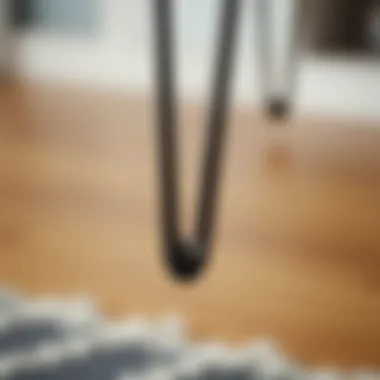
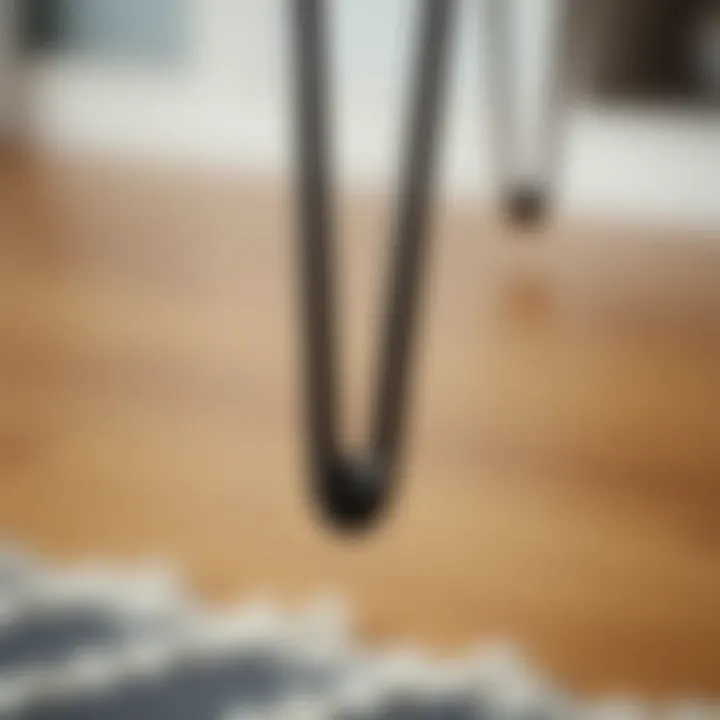
A key characteristic of metal varieties in hairpin legs lies in the thickness of the metal rods. Thicker rods can offer more stability but might also add weight to the entire piece. Conversely, thinner rods lend a more delicate feel, making them ideal for minimalist designs. However, they must be paired thoughtfully with appropriate tops to mitigate any potential compromise on load-bearing capacity. Artists and designers often choose hairpin legs made from steel or stainless steel in creating unique and sturdy furniture because they stand the test of time, highlighting their role as a popular choice in contemporary designs.
Finishes and Coatings
The finishes and coatings applied to hairpin legs add an additional layer of creativity and protection. A common finish is powder coating, which offers a wide array of color options ranging from muted tones to vibrant hues. This finish not only enhances its aesthetic but also provides a layer of durability. Powder coating can resist scratches and chips, which is crucial for furniture often subjected to daily wear.
Different coatings serve diverse purposes; for instance, a clear lacquer can show off the raw patina of metal, perfect for industrial-themed interiors. Matte versus gloss finishes can also completely change the look and feel of a piece. The unique feature of these coatings is their ability to harmonize with various furniture styles, ensuring compatibility with any design scheme. However, some might find that maintaining the finish requires a bit more care, especially with gloss options, which can show fingerprints or dust more easily. Choosing the right finish for hairpin legs not only enhances their appearance but also plays a crucial role in sustaining their lifespan.
Shapes and Forms
Hairpin legs come in a range of shapes and forms that cater to different design preferences. The classic three-rod design is most recognizable, with a sleek and simple appearance. However, variations such as four-rod designs and different configurations can also be found, lending a distinct twist to the typical style. The variations allow for a broader exploration of how hairpin legs can be integrated into various types of furniture, from coffee tables to dining chairs.
The flexibility in shapes and forms of hairpin legs enables designers to think outside the box, facilitating innovative furniture designs that challenge conventional norms. This aspect is instrumental in making hairpin legs highly sought after, appealing to those who appreciate modern aesthetics without sacrificing functionality. Furniture creators can use hairpin legs as a canvas for their creativity, encouraging the blending of traditional and modern styles in exciting ways.
"Hairpin legs strike a delicate balance between form and function, becoming more than just supports for furniture but integral pieces of art in their own right."
In summary, the design characteristics of hairpin legs define their essence in the world of furniture. From the choice of materials to the various shapes they can take, these legs enhance the aesthetic charm and utility of furniture, appealing to architects, interior designers, and discerning homeowners alike.
Aesthetic Appeal in Modern Interiors
The allure of hairpin legs in contemporary design cannot be overstated. They bring a certain elegance that blends seamlessly with various decor styles while maintaining a unique personality. By integrating these legs into furniture, designers enhance both form and function, making them a crucial aspect of modern aesthetics.
Minimalist Integration
Hairpin legs align beautifully with minimalist design principles. Their sleek and unobtrusive form allows furniture to occupy a space without overwhelming it. Imagine a coffee table with hairpin legs—it provides just enough lift and lightness to create a feeling of openness, making a room feel larger. This simplicity invites creativity, allowing softer textures or vibrant colors in other elements without causing visual noise. Minimalism isn’t just a trend; it's a way to emphasize authenticity and quality. The clarity and purity found in minimal designs can highlight the craft behind the furniture, giving it an understated beauty.
Contrasting Styles
Industrial vs. Traditional
The industrial style makes use of raw elements and unfinished materials, often showcasing a space's structural aspects. With hairpin legs, this aesthetic takes on a new dynamic. The legs perfectly balance the weight of heavier materials like reclaimed wood or metal tabletops, becoming a defining feature of the design. They offer a contrast that celebrates both strength and grace. The key characteristic here is the blend of sturdiness with elegance, making hairpin legs a popular choice for many. Their resilience allows furniture that looks light to still accommodate everyday use without compromising stability. On the flip side, some might find that the mix of industrial and hairpin leg styles clashes with traditional decor, which often favors more ornate detailing and robust profiles.
Scandinavian Influences
Scandinavian design emphasizes simplicity, functionality, and a connection to nature. Hairpin legs are frequently found in Scandinavian furniture, as they encapsulate these values. The unique feature of this style is its emphasis on minimalism paired with a cozy warmth—think light woods and soft textiles against the striking lines of hairpin legs. Coupled with a neutral color palette, Scandinavian influences create a welcoming and serene environment. However, the challenge lies in balancing these airy elements with heavier textures; too much clutter can disrupt the peaceful aesthetic. Ultimately, hairpin legs facilitate a harmonious relationship between the two, making them a beneficial choice for spaces aiming for that signature Scandinavian look.
"Incorporating hairpin legs allows designers to create furniture that is not only functional but also a statement of modern philosophy—beauty lies in simplicity."
As we delve into hairpin legs, it's evident they play a pivotal role in shaping modern interiors. By understanding their aesthetic appeal, designers can harness their potential to create stunning, cohesive environments.
Functional Benefits of Hairpin Legs
Hairpin legs are not just an aesthetic choice; they also bring a range of functional benefits that can make a substantial difference in furniture design and usability. The modern emphasis on efficient living spaces makes these legs an attractive option for homeowners and designers alike. With features that support the integrity of furniture while adding visual appeal, understanding the functional benefits of hairpin legs provides valuable insights into their relevance in contemporary interior design.
Space Efficiency
One of the most compelling aspects of hairpin legs is their ability to maximize space. Designers often grapple with small living areas, where every inch counts. Hairpin legs are typically slender and lightweight, ensuring that they occupy minimal visual and physical space. This characteristic allows for easy maneuverability and placement, enabling furniture to fit smoothly into tighter spaces.
Moreover, because they elevate furniture from the ground, they create an illusion of openness. This element is crucial in smaller rooms where bulky furniture can feel overwhelming. With hairpin legs, even a simple coffee table can transform a cramped living area into a more spacious environment, making it feel airy rather than cluttered.
Stability Considerations
Stability in furniture design is non-negotiable, and hairpin legs manage to offer a reliable solution in this regard. While their slender design may lead some to question their sturdiness, they have been engineered to provide solid support under various conditions.
Weight Distribution
Weight distribution is an essential factor in maintaining stability and balance in furniture design. Hairpin legs distribute weight evenly across their multiple points of contact with the ground. This engineered approach helps prevent wobbling, which is a common frustration with furniture.
- Key characteristic: The tapered design of hairpin legs enhances this weight distribution, making it easier for the furniture to endure the pressure of daily use.
- Unique feature: They are designed to accommodate varying weights, from light desks to heavier dining tables, thus broadening their application.
- Advantages: This provides peace of mind for users, knowing that their furniture remains reliable.
- Disadvantages: However, their lightness can result in less stability when subjected to extreme conditions, such as rough movements or uneven surfaces.
Load-Bearing Capacity
Load-bearing capacity is another pivotal aspect worth exploring when discussing hairpin legs. Despite their minimalistic appearance, these legs are capable of supporting a significant amount of weight, which is crucial for functional furniture.
- Key characteristic: Hairpin legs are often made from high-grade materials, such as steel, which inherently have a high tensile strength. This allows for a greater load-bearing capacity compared to many traditional furniture legs.
- Unique feature: When used in tables or desks, they can support sizable items without compromising structural integrity.
- Advantages: This translates to versatility; they can be used in a variety of furniture types, from sturdy coffee tables to complex office workstations, catering to diverse needs without buckling under pressure.
- Disadvantages: On the flip side, excessive weight or misuse may lead to bending if not designed or installed correctly.
Hairpin legs combine elegance with purpose, reflecting the growing trend in functional design. Their advantages in space-saving and stability make them a wise choice for anyone looking to create stylish and practical furniture solutions.
DIY Projects Using Hairpin Legs
The trend of incorporating hairpin legs into DIY projects has taken off in recent years. This segment demonstrates how these legs can serve as an accessible entry point for homeowners looking to personalize their spaces. Involving oneself in such projects not only fosters creativity but allows individuals to transform ordinary furniture into unique expressions of style. Plus, there's something uniquely satisfying about creating what you envision; it’s empowering to steer your own design ship.
Selecting the Right Legs
Picking the right hairpin legs for your project is foundational. Considerations include the leg's height, thickness, and style. The height depends on the intended use; for a dining table, you may want something around 28 to 30 inches, while a coffee table usually ranges from 16 to 18 inches. The thickness of the legs can influence the sturdiness of your piece, with. Thicker legs generally provide greater stability.
Once you know what you're looking for, see if they fit your aesthetic. There are minimalist styles and more industrial looks; either way, the right choice will elevate your project's overall appearance.
Step-by-Step Assembly Guide
Getting started with your DIY project can seem daunting, but breaking it down into a step-by-step guide simplifies the process.
- Gather Your Materials: Start with hairpin legs, suitable tabletop material (wood, glass, or metal), screws, a drill, and a measuring tape.
- Measure and Mark: Before you start drilling, measure the distance where the legs will be attached to the top. Mark those positions carefully; accurate placement is key to a level surface.
- Pre-drill Holes: Depending on the type of table you're making, pre-drill holes to avoid splintering your tabletop material. This step is especially important for wood.
- Screw in the Legs: Attach the legs one at a time, ensuring they’re straight. Tighten the screws securely; you don’t want legs wobbling later on.
- Finish Up: Depending on the material of your tabletop, you might want to treat the wood or polish the metal. This extra touch can enhance durability and aesthetics.
By systematically following these steps, what might have once seemed complex transforms into a manageable task.
Customization Options
Color Schemes
When it comes to color schemes, it's all about embracing the hues that resonate with your vision. From bold tones to subtle pastels, color selection can significantly impact the mood of the room. The beauty of DIY projects is that you can tailor everything to fit your space perfectly.
Considering that hairpin legs often come in a variety of colors – black, gold, or even quirky colors like mint green – you can easily mix and match. A bold color can add a punch to a neutral tabletop, while a softer shade can create a cozy and inviting ambiance.
One should also think about durability. If you're going with paint, for example, choose high-quality options to ensure the finish holds its ground against wear and tear. In a family environment where spills are bound to happen, this consideration is crucial.
Top Material Choices
Choosing the right top material plays a significant role in defining the functionality and aesthetics of your project. Wood is a classic option, offering warmth and versatility, while glass can bring a sleek and modern flair. In a nutshell, the material should correlate with the desired final look and practicality.
If you lean towards wood, consider options like plywood or reclaimed wood for an eco-friendly twist. The unique grains and textures can enhance your design while ensuring durability.
Alternatively, glass tops can make a space feel airier. However, they're more fragile and require careful cleaning to maintain their appearance.
The best option should marry style and pragmatism. It's worth weighing the pros and cons, like the care requirements of your chosen material, to make sure it aligns with your lifestyle.
End
Involving yourself in DIY projects using hairpin legs does more than enhance your home. It cultivates a creative outlet and provides opportunities for personal expression. As long as you remain mindful of the materials and your specific needs, your customized creations can greatly resonate with the overall theme of any space.
Incorporating Hairpin Legs in Different Spaces
The versatility of hairpin legs makes them an excellent choice for various spaces within a home or office. They serve not just as functional components but also as style statements that can elevate the whole atmosphere of any room. As homeowners and designers seek to blend practicality with aesthetics, these legs offer a sleek, modern finish that appeals to many. Using hairpin legs can positively impact the balance and style of this environment.
Living Room Applications
Coffee Tables
Coffee tables with hairpin legs create a unique focal point in the living room. The minimalist nature of these legs complements various top materials, including wood, glass, or metal. Their slender profile creates an illusion of more space, making them ideal for smaller living areas. The lightweight design allows for easy rearrangement, fostering an adaptable environment, which is vital for modern living.
A notable feature of hairpin leg coffee tables is their ability to blend with multiple design aesthetics. Whether your living room leans more towards industrial chic or cozy farmhouse, these tables can fit right in. Additionally, their sturdy construction ensures they can support a good amount of weight, maintaining their function without compromising the visual appeal.
End Tables
End tables featuring hairpin legs are a charming addition to seating arrangements. These small yet significant pieces enhance usability near sofas and chairs, providing a surface for drinks, books, or decorative items. The key characteristic here is the versatility of size and form. They can range from small, neat tables to larger models that serve as mini stools, adapting to your needs.
Their unique design draws the eye upward, as the airy legs contrast nicely with bulkier seating options. However, it’s wise to be cautious about their stability, especially with heavier items. In essence, hairpin leg end tables offer both style and functionality, enriching the overall decor while serving practical purposes.
Office and Workspace Uses
Desks
Hairpin leg desks provide a refreshing alternative to traditional office furniture. They can be tailored to different heights, accommodating both standing and sitting work preferences. This flexibility aligns perfectly with the modern movement towards ergonomic working environments, addressing comfort while promoting better productivity.
The defining trait of hairpin leg desks is their lightweight nature, enabling effortless reconfiguration for collaborative workspaces. Their sleek lines can help create a clean and organized workspace, encouraging focus and efficiency. However, one should consider the desk's surface material carefully, ensuring it withstands daily wear and tear while still looking stylish.
Workstations
Workstations equipped with hairpin legs resonate well with minimalist design principles. They facilitate an uncluttered work area, which can benefit concentration and creativity. Distinctively, these workstations often provide enough space for personal items without making the area feel cramped, allowing for a serene working environment.
Another advantage is the ease of pairing custom tops with hairpin legs, giving each workstation a unique touch tailored to individual preferences. However, stability remains a crucial consideration; ensure that the components are well-constructed to handle the necessary load over time. The combination of style and function makes hairpin leg workstations a trendy choice for any modern office.
Outdoor Settings
Patio Furniture
In outdoor settings, hairpin legs find a welcoming home in patio furniture. The lightweight design enhances mobility, allowing for easy adjustment based on weather or gatherings. Increased airflow between the ground and furniture promotes drying in damp conditions, an essential feature that enhances longevity.
One of the main attractions of hairpin leg patio furniture is the balance between ruggedness and elegance. They can withstand the elements while maintaining a contemporary look. However, it’s wise to protect them with appropriate coatings to prevent rusting, ensuring that they remain an outdoor staple for years.
Garden Tables
Hairpin leg garden tables serve as functional spots for dining or leisure in gardens. They fit seamlessly into natural surroundings, thanks to their minimalist aesthetic that does not overwhelm picturesque landscapes. The elevated design also helps prevent the dampness from reaching surfaces, a common concern in garden settings.
Another unique feature is their ability to be customized with different tops, allowing seamless integration into various garden themes, from rustic charm to edgy modernity. But, it's crucial to consider durability, as garden tables experience the brunt of weather change. Appropriate care and treatment can maintain their beauty and functionality throughout the seasons.
Hairpin legs represent a bridge between form and function, proving that style can coexist with practicality seamlessly. Their adaptability across different settings highlights their significant role in modern design.
Maintenance and Care of Hairpin Legs
Caring for hairpin legs is essential to preserve the aesthetic and functional qualities of your furniture. Given their unique design, hairpin legs can be both a stylistic masterpiece and a practical solution. However, without proper maintenance and care, their visual appeal can diminish over time, potentially leading to structural issues. This section delves into important maintenance practices that not only enhance the longevity of hairpin legs but also ensure they remain a focal point in your interior spaces.
Cleaning Techniques
Keeping hairpin legs clean is a straightforward yet vital process. Here are some effective cleaning techniques you can employ:
- Regular Dusting: A soft cloth or microfiber duster is ideal for removing dust and dirt from the legs. Make it a habit to dust at least once a week to maintain their shine.
- Mild Soap Solution: For tougher grime, mix warm water with a mild soap. Using a sponge, gently wipe down the legs. Avoid abrasive cleaners that might scratch the surface.
- Dry Thoroughly: After cleaning, ensure you dry the legs completely to prevent water spots or potential rusting.
Preventative Measures
To keep hairpin legs in top-notch condition, proactive steps can be taken to safeguard them from wear and tear.
Avoiding Rust
Rust can be a nemesis for any metal furniture, particularly if the hairpin legs are made of iron or steel. To prevent this:
- Choose the Right Material: Stainless steel legs are a more rust-resistant option, ideal for humid environments. If you prefer iron, ensure it's coated with a protective finish.
- Surface Treatments: Applying a rust-inhibitor or using a wax-based product occasionally can provide a protective layer against moisture and air exposure.
"Proper maintenance is like a stitch in time, it saves nine. Don't let neglect turn your stylish furniture into a rusty relic."
- Inspect Regularly: Make it a routine to check for any signs of corrosion or oxidation. Address issues immediately to extend the life of your furniture.
Sustaining Finish Quality
The finish on hairpin legs is not merely decorative; it also protects the underlying material from damage. To maintain this finish:
- Regular Polishing: A simple polish with a suitable furniture wax can enhance the shine and provide additional protection.
- Protective Pads: Use felt pads under furniture legs to prevent scratches on floors and reduce wear on the legs when moving furniture around.
- Avoid Direct Sunlight: Positioning your furniture away from direct sunlight can help prevent fading and degradation of the finish over time.
When it comes to maintaining the quality of hairpin legs, swinging into action early on saves a lot of hassle later. Take deliberate steps and enjoy the sleek elegance of hairpin legs in your interior decor.
Trends in Hairpin Leg Designs
In the world of furniture design, trends often emerge from a blend of necessity, aesthetics, and the evolving values of society. Hairpin legs stand as a testament to this transformation, reflecting a modern approach that marries functionality with artistic expression. By tapping into these trends, both designers and consumers can appreciate the increased versatility and relevance of hairpin legs in contemporary furniture.
Innovations in Manufacturing
The production process of hairpin legs has seen significant advancements recently. With the integration of technology, manufacturers have begun to utilize more precise machinery, allowing for higher quality and more intricate designs. This innovation leads to a variety of styles that cater to diverse tastes— from sleek and minimalist to more robust and elaborate configurations.
Additionally, automation in the manufacturing process not only streamlines production but also reduces costs, making hairpin leg furniture more accessible. Smaller brands can now compete with established names, offering bespoke pieces that can easily appeal to a discerning audience. The ability to customize sizes and finishes further elevates the consumer's options, providing a tailored furniture experience.
Sustainable Practices
As the focus on sustainability continues to gain traction in various industries, the furniture sector is not left behind. Hairpin legs offer promising opportunities for incorporating eco-friendly practices that resonate with today's conscientious consumers.
Recycled Materials
Utilizing recycled materials is a hallmark of modern design practices, especially within the furniture industry. The incorporation of upcycled metals and woods into hairpin leg production not only addresses waste concerns but also gives each piece a unique character. One standout attribute is the varied textures and finishes that recycled materials often present. This allows for a richer aesthetic, aligning with an emerging preference for authenticity in design. Furthermore, opting for recycled content often lowers the carbon footprint associated with manufacturing, thereby enhancing the sustainability profile of hairpin leg furniture.
Advantages of using recycled materials include:
- Unique design character that stands out.
- Reduced environmental impact overall.
- Potential cost savings in material sourcing.
However, challenges may arise in ensuring the structural integrity of recycled components, often necessitating rigorous testing before being deemed suitable for production.
Eco-Friendly Coatings
In addition to the materials utilized, the finishes applied to hairpin legs are becoming increasingly important. Eco-friendly coatings, such as low-VOC paints and biodegradable sealants, contribute significantly to maintaining a healthy home environment. The key characteristic of these coatings is their minimal impact on air quality while providing necessary protection against wear and tear. This makes them a wise choice for anyone looking to enhance furniture durability without compromising indoor air quality.
A unique feature of eco-friendly coatings is their versatility; they come in a variety of colors and textures, allowing for creative expression while adhering to sustainable principles. With their application, designers can maintain aesthetic appeal while being mindful of environmental repercussions.
The advantages include:
- Enhanced safety for occupants by reducing harmful emissions.
- Compliance with increasing environmental regulations.
- A reflective stance on the brand’s commitment to sustainability.
Nonetheless, it’s crucial to weigh the potential disadvantages, some coatings may have limitations in terms of longevity compared to traditional options, possibly requiring more frequent maintenance or touch-ups.
"The fusion of style and sustainability is shaping the future of furniture design, as consumers increasingly demand pieces that look good while being good for the planet."
As we explore trends surrounding hairpin legs, it becomes clear that these innovative designs are not just about aesthetics; they embody a larger narrative about craftsmanship, sustainability, and the future of furniture. With ongoing research and consumer preference shifts, hairpin legs are likely to continue evolving, reflecting the aspirations of modern living regardless of spaces—be it homes, offices, or outdoor settings.
Closure: The Future of Hairpin Legs
Hairpin legs have carved a niche in the world of furniture design over the past few decades, and their future looks bright. Their unique aesthetic appeal combined with a functional nature contributes to their sustained relevance in modern interiors. As we look forward, it is crucial to consider both their evolving role and the potential innovations that may emerge in the design and manufacturing processes of hairpin legs.
Continuing Popularity
The enduring popularity of hairpin legs can be attributed to several factors. First, their minimalist design seamlessly fits into a range of styles, from mid-century modern to contemporary. Homeowners and designers appreciate how these legs can enhance the visual space, creating a sense of lightness and elegance. A coffee table or desk supported by hairpin legs tends to draw the eye up, promoting a clean look that aligns with current interior trends.
Additionally, they are adaptable. As consumer preferences shift toward sustainable solutions, hairpin legs can easily be made from eco-friendly materials, resonating with those who prioritize environmental consciousness. The combination of aesthetic versatility and sustainable practices keeps hairpin legs in the spotlight.
Potential Innovations
Looking ahead, potential innovations in hairpin leg design are exciting. 3D printing technology might open new avenues for customizing the shapes and finishes of hairpin legs. Imagine bespoke legs designed to fit specific interiors or match unique furniture pieces, allowing for a more personalized touch in home decor.
Moreover, the rise of smart furniture is likely to influence hairpin leg designs. Imagine legs integrated with technology that could adjust height or provide storage solutions, marrying functionality and style in unprecedented ways. The continued exploration of materials could also lead to stronger, lighter options—think carbon fiber or other advanced composites. Such innovations not only keep hairpin legs relevant but elevate their status in the overall furniture landscape.