
Headboards for Single Beds: Style and Functionality


Intro
In the vast realm of bedroom decor, the choice of a headboard often goes unnoticed despite its potential to dramatically transform both the aesthetics and functionality of a space. For single beds, particularly, headboards are more than mere decorative touches; they serve vital roles in comfort, style, and personal expression. As we delve into the various dimensions of headboards for single beds, we will uncover the latest design trends, functional solutions, and practical tips that empower individuals to make informed decisions. Whether you are an interior designer, architect, or retailer, understanding the nuances of these elements can set the foundation for exceptional bedroom design.
Design Trends
Contemporary Styles
As we move further into the 21st century, the variety of headboard designs has exploded. Contemporary styles have taken the spotlight, often characterized by clean lines and minimalistic aesthetics. From sleek upholstered options that provide comfort and warmth to more angular wooden frames that echo modern architecture, these designs cater to a wide range of tastes.
- Upholstered Headboards: These have surged in popularity, offering a plush feel and inviting presence. Fabrics range from luxurious velvets to practical linens, giving options for both high-end and casual spaces.
- Natural Wood: Many people are leaning towards sustainably sourced wood. Its organic texture and rich tones add depth and warmth to any room, creating a timeless elegance.
- Metallic Finishes: For those who crave a bit of glamour, headboards with metal accents, whether in gold, silver or wrought iron, have found their niche. These can bring a modern twist to rustic or classic decor.
Color Palettes and Materials
Choosing the right colors and materials is crucial as they contribute to the overall atmosphere of a bedroom. Soft, muted tones create a calm and restful environment, while darker colors may add a touch of drama. Here’s a closer look at popular trends:
- Earthy Tones: Shades such as terracotta, deep greens, and rustic browns are prominent, promoting a connection with nature.
- Neutral Basics: Whites, beiges, and light grays please those looking for versatility and easy coordination with existing furniture.
- Bold Accents: Bright colors might come into play through fabric patterns or painted wood frames, allowing personalization without overwhelming the space.
Materials, too, matter greatly in headboard construction. Here are some popular choices:
- Fabric: Soft upholstery enhances comfort, making it easier to lean back while reading or watching a show in bed.
- Wood: Sturdy and reliable, wood offers durability; its grain can add character and uniqueness.
- Metal: Often used for a more industrial feel, metal frames can contribute to the overall theme of modernity or urbanity.
"A carefully chosen headboard can serve as the anchor of a bedroom, framing the bed and enhancing both its style and comfort."
Functional Solutions
Ergonomic Furniture
The headboard's functional aspects shouldn't be overlooked. An ergonomic design can improve comfort levels significantly. Consider headboards that double as storage, often featuring built-in shelves or compartments for books, small items, or decorative pieces. This multitasking approach is especially beneficial in smaller spaces where maximizing utility is essential:
- Adjustable headboards are another innovation, allowing individuals to modify the height, which can accommodate varying mattress sizes or personal preferences.
- Integrating lighting into the headboard design serves a dual purpose: it enhances the ambiance and offers practicality for reading without needing additional bedside lamps.
Space Optimization Tips
Maximizing space is crucial in any room, especially smaller single-bed setups. Here are some tips for ensuring that the headboard adds functionality without crowding the area:
- Choosing the right size: A headboard that spans the width of the bed can create a cohesive look, while one that is overly large may overwhelm.
- Wall-mounted options: These save floor space and can sometimes provide extra height, drawing the eyes upward and creating the illusion of more room.
- Consider multipurpose designs: Opt for headboards that include shelves or settings for small planters, bringing life into the room while eliminating the need for extra furniture.
By thoughtfully integrating these trends and functions, headboards for single beds can become vital contributors to both style and performance in bedroom design. From aesthetic appeal to practical solutions, the right choice can significantly elevate the user experience.
Prelude to Headboards for Single Beds
When one thinks about a bedroom's aesthetic appeal, headboards often take center stage, serving as both decorative and functional components. Headboards for single beds are particularly essential in spaces where every inch counts, allowing for a blend of style and practicality.
The importance of headboards goes beyond mere ornamentation. They can transform a bland sleeping space into a cozy retreat. A well-chosen headboard can add character and warmth to the room, reflecting personal style while also contributing to a cohesive design scheme. This is especially relevant in single-bed scenarios, where headboards can create an illusion of spaciousness or even intimacy, depending on the design.
In terms of functionality, headboards offer several benefits. They provide support for those who enjoy reading in bed or watching television. A padded or upholstered headboard can make leaning back more comfortable, reducing strain on the neck and back. Additionally, headboards can act as a barrier, protecting walls from scuff marks and damage that may arise from tossing and turning during sleep.
Choosing the right headboard means considering several factors such as materials, style, and customization options. For instance, a wooden headboard can emanate a rustic charm, while metal options may evoke a more modern or industrial vibe. Upholstered choices combine comfort with design, allowing for an array of colors and patterns that can enhance any bedroom theme.
Ultimately, the right headboard can significantly elevate the design and functionality of a single bed setup, making it essential to explore the myriad styles and materials available in today’s market. Understanding these elements will inform decisions that contribute to a harmonious bedroom environment, ensuring that each choice aligns with overall design intentions.
"A headboard is not just a piece of furniture; it's the anchor that holds the room together."
As we delve into various aspects of headboards, it becomes evident that their role transcends beyond decoration. They're pivotal in establishing both comfort and character in our resting spaces.
The Role of Headboards in Bedroom Design
Headboards may seem like mere decorative objects, but they actually hold substantial importance in the overall design and functionality of a bedroom. This section explores how these elements can transform a space, providing both practical and aesthetic benefits.
Functional Benefits of Headboards
When we think of headboards, there’s often an immediate association with style. However, it’s insightful to first consider their functional advantages. Headboards serve as a protective barrier for the wall, preventing wear and tear that arises from daily use. They can be especially significant in smaller spaces, where furniture might be placed closer to walls. A well-designed headboard can also provide added comfort when you're leaning back to read a favorite novel or watch the latest series on your tablet.
In addition to protection and comfort, headboards often include built-in features that elevate their utility. For instance, some modern designs incorporate storage options, allowing you to stow away bedtime reading materials or accessories. Others may integrate shelves or USB ports to cater to our tech-heavy lifestyles. Thus, a headboard can blend effortlessly into a modern design, supporting both aesthetics and practicality.
Aesthetic Importance of Headboards


As much as functionality matters, the aesthetic role of a headboard cannot be downplayed. The choices in design, color, and material offer endless possibilities to personalize a bedroom space. A headboard can be a statement piece, setting the tone for the entire room décor.
For instance, a rugged reclaimed wood headboard can evoke a cozy, rustic charm, anchoring a room's farmhouse theme. Conversely, a sleek metal headboard might lend an air of minimalism, aligning perfectly with contemporary styles. The color choices are also crucial; a bold hue may serve as a pop of color that draws the eye, while soft pastels can create a calming atmosphere.
Moreover, the selection of fabrics and textures can tremendously influence the room's ambiance. A plush, upholstered headboard can add an inviting softness, making the space feel warmer and more welcoming. In contrast, a hardwood finish might project a more luxurious or classic vibe, appealing to traditional style enthusiasts.
All in all, the ability of headboards to fuse functionality with aesthetic appeal makes them indispensable in bedroom design. They are not merely a piece of furniture; they can mirror personal tastes and offer solutions to design predicaments.
"A headboard is often the first piece of furniture anyone notices in a bedroom; its presence can define both style and comfort."
From creating a focal point to enhancing comfort during rest, the significance of headboards resonates throughout the design process, proving them to be much more than mere afterthoughts in interior decoration.
Assessing Material Choices
When it comes to selecting the right headboard for a single bed, the material plays a pivotal role. This choice not only impacts the look of the bedroom but also determines the functionality, durability, and comfort levels. Understanding the various material options available is essential for making an informed decision that aligns with both style and practicality.
Wooden Headboards: Timeless Elegance
Wooden headboards buzz with a sense of warmth and tradition that makes them a favorite among many. These pieces, crafted from various types of wood, bring an organic feel to a room. Oak, walnut, and pine are popular choices, each offering distinct grains and hues that can complement any aesthetic.
Benefits of Wooden Headboards:
- Durability: A well-built wooden headboard can last for generations, making it a sensible investment.
- Versatility: Their timeless appeal allows them to transition across different decor styles, fitting seamlessly in a rustic or sleek modern setting.
- Customization: Wood can be stained or painted to achieve the desired color and finish, providing endless customization options.
One might say that a wooden headboard is like an old friend, adding character and warmth to the space. However, it’s worth noting that proper care is needed to maintain its beauty through dampness and heat exposure.
Metal Headboards: Contemporary Appeal
Metal headboards bring a touch of modernity and industry to the bedroom. Available in various finishes such as brass, wrought iron, or stainless steel, they echo the clean lines of contemporary design. Whether it’s a sleek, minimalist frame or an ornate, vintage style, metal headboards can add dramatic flair.
Considerations for Metal Headboards:
- Industrial Aesthetics: They work well in modern and industrial-styled spaces, providing a striking contrast to softer elements.
- Low Maintenance: Unlike wood, metal does not require frequent upkeep, usually just a quick wipe-down will do the trick.
- Lightweight: They are generally easier to move than wooden alternatives, permitting flexibility when rearranging the room.
While metal headboards serve a trendy purpose, some might find them a bit cold against the head. Layering with cushions can help bring comfort and coziness into the mix.
Upholstered Headboards: Comfort and Style
Upholstered headboards offer the perfect blend of luxury and comfort. With a variety of fabrics like velvet, linen, or microfiber, these pieces also add texture and warmth to the bedroom. The cushioning provides an inviting touch that makes leaning back to read or nap much more enjoyable.
Advantages of Upholstered Headboards:
- Softness: The plush surface is cozy and user-friendly, providing excellent support for sitting up in bed.
- Wide Array of Designs: Available in various patterns, colors, and textures, the possibilities are endless. This adaptability makes it easier to match any personal style.
- Sound Absorption: The fabric can help dampen noise, creating a quieter space for relaxation.
Upholstered headboards do come with a caveat; they may require more cleaning and care to maintain their fresh appearance. However, the comfort they provide can be well worth the effort.
In crafting the perfect headboard, considering material choices is more than just about looks; it’s about aligning the piece with your personal comfort and functional preferences.
With all these factors in play, it's clear that choosing a headboard material is far from straightforward. This choice is crucial in shaping the entire ambiance of the bedroom, laying the foundation for a space that reflects individual style while also providing comfort and utility.
Headboard Styles to Consider
When it comes to headboards for single beds, the choices available can be overwhelming but incredibly exciting. The style of a headboard not only contributes to the aesthetic of the bedroom but also impacts its functionality. As we dive into the various styles on offer, it’s essential to consider how each style aligns with your overall design vision and practical needs. Choosing the right headboard can define the mood of the room, create focal points, and even enhance the comfort of your sleeping space.
Traditional vs. Modern Headboards
Traditional headboards often exude a sense of timeless elegance. They are characterized by intricate detailing and rich wood finishes. Take, for instance, a beautifully carved mahogany headboard. It embodies craftsmanship and adds a touch of warmth to any space. These headboards can easily blend with vintage repurposed furniture, achieving a cohesive look that echoes the past.
On the flip side, modern headboards focus on minimalist designs, clean lines, and contemporary materials. A sharp, geometrically shaped headboard in a neutral color can lend an effortless sophistication to a bedroom. They are often designed with a focus on function, sometimes integrating storage solutions or mounts for lighting. The clash between tradition and modernity can also create a unique look that speaks volumes about a homeowner's taste.
"The choice between traditional and modern headboards often reflects one's personality and sense of style."
Mid-Century Modern Influences
Mid-century modern design continues to have a profound impact on contemporary decor. Characterized by its simplicity and functionality, this style often utilizes natural materials like wood, coming in sleek forms. A mid-century headboard may feature tapered legs and an asymmetrical design, striking a balance between aesthetics and practicality.
This aesthetic appeals particularly to those who appreciate a retro yet fresh look. By incorporating such a headboard, you signal an appreciation for design history while keeping your space feeling vibrant and alive. Moreover, many of these headboards come in various colors and finishes, allowing for customization that suits individual tastes.


Rustic and Farmhouse Styles
Rustic and farmhouse styles are all about bringing the outside in. They often feature reclaimed wood, shiplap, and distressed finishes, giving off a cozy, inviting vibe. A rustic headboard can instantly transform a sterile room into a sanctuary of warmth. Imagine a headboard made from weathered timber—a statement of comfort that tells a story of the earth it came from.
The farmhouse trend emphasizes simplicity and practicality, so these headboards often pair well with other functional furniture pieces, such as sturdy nightstands and ample storage solutions. Additionally, incorporating textile elements like soft, woven fabrics can further enhance the tactile experience of a rustic bedroom space. Achieving this aesthetic is about creating a narrative that embraces comfort and authenticity in your home.
Customization Options
In the realm of headboards for single beds, customization opens a whole new world of possibilities tailored to individual tastes and lifestyle choices. Choosing the right headboard goes beyond mere practicality; it’s about creating a personal sanctuary that embodies comfort, style, and identity. When it comes to customization, several elements come into play—design, materials, colors, and fabrics—all significantly influence the outcome.
A custom headboard not only adds a unique character to a bedroom but also caters to specific needs and preferences. For instance, someone who enjoys reading in bed may prefer a taller, padded headboard, which provides better support. Meanwhile, a minimalist could opt for a sleek, streamlined design that complements the decor without overpowering it. The options are nearly endless, enabling a harmonious blend of function and aesthetics that enhances the overall ambiance of the space.
Personalized Headboard Designs
When thinking about personalized headboard designs, the choices can reflect a range of influences, from geographical styles to personal mementos. An individual can select styles that express their stories rather than just opting for what's available at retail stores. Options like
- tufted designs
- carved wood
- bold geometric shapes allow for creative expression.
Some homeowners choose to collaborate with local artisans to create bespoke pieces that reflect local heritage and craftsmanship. Custom designs can integrate elements indicative of cultural significance or personal milestones, such as a headboard made of reclaimed wood from a family's old barn, preserving both memory and history.
"Personalized headboards not only serve a functional purpose but also become a narrative element in a room's design."
Choosing Colors and Fabrics
The palette of colors and types of fabrics contributes significantly to the feel and look of a headboard. Color selection can transform the overall mood of the bedroom. Subdued tones like soft greys and creams create a serene environment, while vibrant hues—such as deep navy or rich burgundy—add a dramatic flair.
Fabric choices, on the other hand, affect not just appearance but also touch and comfort. For a warm, inviting vibe, velvet or suede materials could be ideal; these can make one feel enveloped in luxury. If practicality reigns supreme, opt for durable fabrics like microfiber or canvas that can withstand daily wear and tear without losing their luster.
In putting thought into both color and fabric, homeowners are not just selecting items but also setting the tone for relaxation and comfort. This means considering how the headboard interacts with existing elements in the room, from other furniture to wall colors, ensuring a cohesive aesthetic that doesn't miss a beat.
Contemporary Trends in Headboard Design
In modern interior design, headboards for single beds are no longer just a utilitarian element; they are pivotal pieces that reflect personal style and current trends. With the growing demand for unique aesthetics and multifunctionality, understanding contemporary trends in headboard design becomes essential. By examining these trends, one can enhance not just the bedroom's look, but also its comfort and functionality.
Sustainable Materials in Headboard Production
Sustainability in furniture design is a hot-button issue. With an increasing awareness of environmental concerns, many manufacturers are gravitating towards sustainable materials for headboards. For example, reclaimed wood and bamboo have gained traction due to their minimal environmental impact. By opting for these materials, consumers can make an eco-friendly choice while still enjoying the beauty and warmth of natural textures.
- Benefits of Sustainable Materials:
- Reduced carbon footprint
- Long-lasting durability
- Unique character and aesthetics
Headboards crafted from bamboo are lightweight yet strong, making them an ideal option for various styles. Their natural finish allows them to fit seamlessly into both minimalist and eclectic designs. Meanwhile, reclaimed wood brings a touch of history and character to a space, often showcasing knots and grains that new wood lacks. These qualities not only resonate well with those who appreciate craftsmanship but also imbue a space with narrative.
Multifunctional Headboards
As living spaces grow more compact, multifunctionality has become a key consideration in furniture design. Multifunctional headboards address this need by incorporating additional features that maximize utility. These headboards might include built-in shelves, lighting, or even integrated charging stations, serving a dual purpose while saving precious floor space.
- Examples of Multifunctional Features:
- Lighting: LED strips for ambient light
- Storage Solutions: Shelves or hooks for easy access
- Integrated Tech: USB ports for device charging
By fitting a headboard with these features, homeowners can transform a once-simple backdrop into a central hub of activity. For instance, a headboard with built-in shelves can hold books and decorative items, making them easily accessible for cozy reading sessions. "A headboard not only serves as a visual anchor for the bed; when designed thoughtfully, it can considerably enhance everyday living."
The Practicality of Headboards
When it comes to designing a bedroom, whether it be for a cozy single space or a minimalist setting, the practicality of headboards should not be overlooked. Not just an accessory, headboards play a multifaceted role in enhancing comfort, style, and functionality. They can significantly influence how a space feels and operates, transcending mere aesthetics to embody practical functions that improve everyday living.
Installation and Maintenance
Installing a headboard requires more than just a few screws and a drill. Depending on the type, you might encounter variations in fitting.
- Wall-Mounted vs. Freestanding: Wall-mounted headboards often provide a cleaner look without taking up valuable floor space. However, they need precise measurements and sturdy wall anchors. On the other hand, freestanding headboards offer versatility and can be relocated with ease, but they may require additional stabilizing measures, especially on lighter frames.
- Considerations for Installation: Think about the material of your bed frame—it impacts what kind of headboard you can install. A solid wood frame might support a heavier model well, while a lightweight frame may necessitate a more delicate approach. Furthermore, ensure that the height aligns with the bed to avoid an asymmetrical appearance.
- Adjustments and Regular Check-ups: Over time, headboards may need some TLC. Check connections and tighten bolts regularly to prevent wobbling. This simple maintenance can extend the lifespan of your headboard considerably, making it both a decorative and a practical investment.
Headboard Safety Considerations
Safety is paramount, especially in spaces where children or pets reside. A poorly installed headboard can pose risks that can easily be avoided with prudent practices.

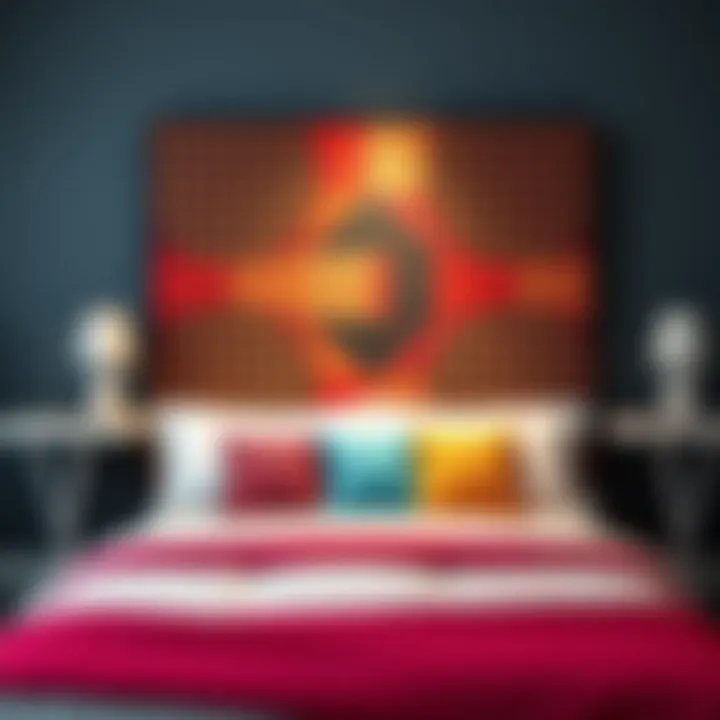
- Sturdy Construction: Select a headboard made from quality materials. A flimsy headboard can tip over, creating hazards. Inspect the design for stability—solid wood is generally more reliable than lightweight alternatives.
- Height Matters: It’s crucial to consider the height of the headboard. A headboard too tall may topple easily if knocked. Conversely, a headboard too low might not provide sufficient support when sitting up in bed, which can lead to awkward angles that strain the neck or back.
- Avoid Sharp Edges: Ensure that there are no protruding parts or sharp edges that can cause injury. Round or padded edges can mitigate the dangers associated with accidental bumps, especially in a family environment.
"Finding a balance between design and functionality ensures that headboards remain a positive addition to any bedroom."
In summary, understanding the practicality of headboards involves recognizing their importance in installation ease, maintenance requirements, and safety considerations. For interior designers, architects, and retailers, these elements become pivotal in advising clients or selecting products that not only look good but also fundamentally enhance the living experience.
Enhancing Bedroom Comfort with Headboards
In the realm of bedroom design, headboards often serve a more profound purpose beyond mere aesthetics. They play a critical role in enhancing comfort, particularly for single beds that are frequently used in compact spaces. Without a doubt, comfort is the name of the game when it comes to our personal retreats after a long day. The right headboard can transform an ordinary sleeping area into a sanctuary of relaxation.
Support for Reading and Relaxation
A well-designed headboard can vastly improve your reading experience. For many, bedtime reading is a cherished routine, a time to unwind before sleep washes over us. A padded or upholstered headboard offers the necessary back support, allowing you to sit up comfortably while diving into a gripping novel or tending to evening reflections.
Imagine curling up in bed, legs crossed, book in hand, with a sufficient cushion behind you. This setup not only encourages relaxation but can also boost your confidence in maintaining good posture. A firmer wooden headboard, while less forgiving, can also effectively serve in supporting a reading position if combined with pillows. The key here is in the design; they should provide the right balance between back support and comfort.
Moreover, when you have a cozy headboard, the act of simply sitting and reflecting on your day can become an inviting experience, adding another layer to your personal space.
"A headboard is not just a piece of furniture, it's a silent companion on your journey to tranquility."
Designing for Ergonomics
When considering headboards, ergonomics can't be overlooked. The human body is designed for comfort and balance, and integrating ergonomic principles into headboard design can improve sleep quality and overall health. The right height of a headboard, for instance, can make a significant difference in how comfortably you rest at night.
An ideal headboard should align well with the mattress, offering adequate support for your neck and spine while you lay down. An ergonomic design minimizes strain and discomfort, so it's worth evaluating various headboard heights and shapes.
Consider the following points when selecting a headboard:
- Height: Ensure it aligns with your mattress to support your head and neck properly.
- Material: Choose a plush or padded headboard if you value comfort while sitting up.
- Style: An arched or contoured design can offer additional neck support.
This thoughtful approach adds to the overall experience of using the bed, turning resting into a more restorative, pleasurable activity. Ergonomically designed headboards can help make the most of your sleep environment, marrying beauty with function seamlessly.
Ultimately, enhancing your bedroom comfort goes beyond aesthetics. By carefully selecting a headboard that supports both reading activities and promotes ergonomic well-being, you’ll create a space that nurtures relaxation and restful sleep.
Case Studies: Successful Headboard Implementations
When considering headboards, it’s crucial to look beyond mere aesthetics. Case studies on successful headboard implementations provide insights into practical applications, design choices, and the ways these elements enhance both functionality and ambiance in spaces. Analyzing real-world examples paints a clearer picture of how headboards can turn a simple bed into a focal point that seamlessly combines comfort and style.
Residential Contexts
In residential spaces, the incorporation of headboards varies widely, reflecting personal taste, bedroom size, and the overall design scheme. For instance, let’s take a closer look at a charming apartment in a bustling urban setting where the owner opted for a handmade wooden headboard. This specific design choice embodies craftsmanship and nature, aligning with the client’s preference for an eco-friendly lifestyle.
- Benefits of Personal Touch: Not only did the headboard serve a backbone support for the bed, but its unique characteristics added rich texture to the decor, enhancing the warmth of the room. The grains of the wood provided a narrative, telling the story of its origin and emphasizing sustainability.
- Considerations for Space: The stylish design also played a critical role in making a small bedroom feel larger, as the headboard was painted a light hue that reflected natural light, visually expanding the space. Moreover, with clever storage integrated into the headboard design, the owner maximized functionality without sacrificing style.
This example showcases how integrating functionality with design can transform a single bed into the highlight of a room. Choices made in residential contexts often influence daily living, be it through comfort, accessibility, or sheer visual appeal.
Commercial Applications
On the other side, commercial applications of headboards reveal a different set of considerations and benefits. In a boutique hotel setting, for instance, a designer utilized upholstered headboards in a series of guest rooms with bold patterns and colors. Here, headboards are more than just furniture; they are pivotal in creating an unforgettable guest experience.
- Brand Identity: The vibrant designs of the headboards communicate the hotel's brand identity effectively. From visible comfort to luxury, each design choice contributes to the overall narrative of a unique guest experience.
- Versatility in Design: In tapping into multifunctionality, some headboards featured integrated lighting and convenient charging stations. This design element reflected modern guests' needs for connectivity while also becoming an integral part of the room’s aesthetic. Visitors were not just looking for a place to sleep but for a venue that felt tailored and thoughtfully curated.
The headboards in this commercial space contributed to a lasting impression and enhanced customer satisfaction. Case studies from both residential and commercial applications highlight that headboards, if carefully chosen, can significantly impact the utilization and ambiance of a room.
"A headboard isn’t just a decorative piece; it’s a statement of style, comfort, and functionality that resonates with people in their daily lives."
Through these examples of successful implementations, we appreciate the myriad ways in which headboards can influence a space – whether in a cozy flat or a luxury hotel suite. The focus should always remain on how these pieces blend practical usage with distinctive design, ultimately enriching the living experience.
Finale: The Lasting Impact of Choose Headboards
Selecting the right headboard can be likened to choosing the perfect frame for a cherished painting; it enhances not only the aesthetics but the overall experience of the space. Headboards for single beds play a crucial role in defining bedroom environments, influencing both design and functionality. In this conclusion, we reflect on key considerations, benefits, and impacts of choosing headboards.
One of the significant aspects of headboards is the versatility they offer. From minimalist wood designs to plush upholstered models, headboards can transition a room from bland to beautiful with ease. The choice of materials, colors, and styles allows for personalization, catering not just to design preferences but also to comfort needs. For instance, an upholstered headboard can offer a cushioned space for leaning back while reading, enhancing relaxation.
The impact of headboards extends beyond the visuals. A well-chosen headboard can provide support and comfort, especially valuable for small living spaces where multifunctionality is key. Most importantly, resilience in design can influence longevity. For instance, opting for sustainable materials, as noted in earlier sections, contributes to both environmental friendliness and durability.
Moreover, economic considerations come into play. Headboards can be seen as an investment in home decor. Brands like IKEA and Wayfair offer a vast array of options that fit various budgets, allowing consumers to elevate their bedroom without breaking the bank.
In summation, the choice of a headboard is not merely about style; it embodies a comprehensive approach to bedroom design where functionality, comfort, and individual expression meet. It is essential to recognize how pivotal these elements are in creating a bedroom that reflects personal style and serves practical needs.
"The right headboard can transform a simple bed into a sanctuary."
Understanding these facets highlights the lasting significance of headboards in our living spaces, making decisions carefully considering design, use, material, and personal flair crucial for both casual buyers and interior professionals alike. When selecting a headboard, remember that it stands as more than just a functional piece; it is an inviting welcome into your personal retreat.