
Versatile Large Three-Tier Stands for Any Space


Intro
The large three-tier stand offers a unique combination of utility and aesthetic appeal, making it an essential piece of furniture in various settings. From homes to retail environments and event spaces, these stands serve a multitude of purposes. Whether displaying items or organizing space, they cater to both form and function. In today’s versatile design environment, understanding how to leverage this furniture can elevate the ambiance and effectiveness of any space.
Design Trends
Contemporary Styles
Contemporary design embraces simplicity and functionality, and large three-tier stands epitomize these principles. Innovations have led to sleek designs that blend seamlessly with various decor styles. For instance, minimalist stands utilize clean lines and subtle materials, catering to those who prefer understated elegance.
"The beauty of a three-tier stand lies in its ability to create visual interest without overwhelming the space."
Moreover, there's a shift towards multifunctionality. Some stands are designed to serve dual purposes, acting not only as a display unit but also as a storage solution. This is particularly appealing in smaller spaces, allowing designers to maximize functionality while maintaining a sophisticated look.
Color Palettes and Materials
In terms of materials, large three-tier stands now boast a variety of options, ranging from wood to metal and even glass. Each material brings a different vibe.
- Wood often conveys warmth and can be stained to match existing decor.
- Metal stands, on the other hand, often lend a contemporary industrial feel.
- Glass adds an airy quality, perfect for showcasing items without clashing with other elements.
Color trends are leaning towards neutral tones with pops of color. Soft whites, grays, and blacks create a backdrop that makes colorful items stand out. Jewel tones, like emerald green or deep navy, have become popular as accent colors, infusing spaces with depth and character without overpowering the overall design.
Functional Solutions
Ergonomic Furniture
Ergonomics plays a vital role in the design of large three-tier stands. These stands promote easier access to items displayed on the different tiers, reducing the need for any awkward reaching or bending. Key considerations include height and tier spacing, which should be designed to accommodate a range of users. A stand that suits different user heights adds to the overall accessibility and user-friendliness of the space.
Space Optimization Tips
Effective space planning can be a game changer, especially in smaller areas. Large three-tier stands provide a vertical solution to displaying items, freeing up valuable floor space. Here are a few tips for optimization:
- Strategic Placement: Position stands near frequently used areas to encourage interaction and accessibility.
- Layer Items: Use the tiers to create depth by layering decorations, books, or merchandise, making the display visually engaging.
- Incorporate Lighting: Adding spotlights to highlight specific tiers can create an attractive focal point while enhancing the ambiance.
Ultimately, integrating large three-tier stands into various settings not only enhances aesthetic appeal but also broadens functional capabilities. By understanding contemporary design trends and focusing on practical solutions, designers and retailers can significantly boost the effectiveness of their displays.
For further tips and insights, consider exploring sources like Wikipedia or Britannica, which provide a wealth of information regarding interior design and furniture solutions.
An Prologue to Large Three-Tier Stands
Large three-tier stands occupy a unique position in both functional utility and aesthetic appeal. For interior designers, architects, and even retailers, understanding the multifaceted nature of these stands is essential. They are not mere furniture items; they are pivotal in transforming spaces by offering stylish solutions for storage and display.
Three-tier stands can serve a multitude of purposes which makes them a worthy consideration in various contexts — from home decor to commercial setups. They enable users to organize their items or showcase goods elegantly, thereby enhancing any setting's overall visual appeal.
Definition and Overview
At their core, large three-tier stands comprise three levels of surfaces or shelves, supported by a sturdy frame. This creates a vertical structure that maximizes space efficiency and creates additional display areas in areas where floor space might be limited. The design often integrates harmonious proportions that maintain balance while providing ample surface area for a wide variety of items.
Such a design is not just functional but also flexible. These stands can hold anything from books and plants to food items and promotional materials. When used in home spaces, they help to declutter while showcasing decorative pieces, engaging visitors or enhancing day-to-day life.
"A well-placed three-tier stand can turn a simple room into an organized oasis."
Historical Context of Tiered Stands
The concept of tiered stands isn't a modern invention; the history stretches back over centuries across various cultures. In ancient Rome, tiered designs appeared in kitchens and dining rooms, serving as efficient platforms for displaying fruit and other goods.
Fast forward to the Victorian era, when decorative innovations flourished. Tiered stands became synonymous with elegance, showcasing fine china or ornate collectibles. Communities held gatherings where these stands played a centerpiece role, offering a blend of practicality and showcase, embodying the social fabric of the time.
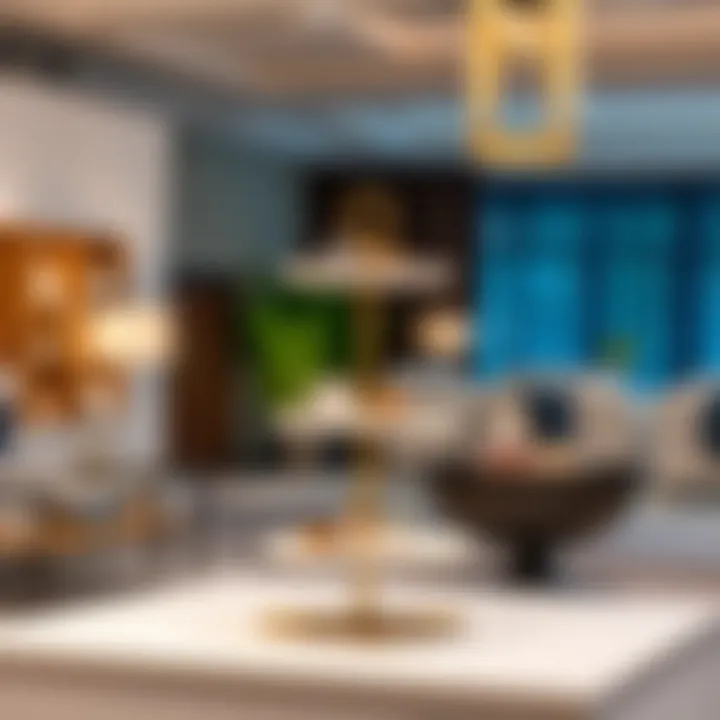
Today, the resurgence of interest in vintage and mid-century designs has revived the appeal of three-tier stands. Interior designers increasingly recommend these pieces for their ability to blend with contemporary settings while echoing a deeper appreciation for history.
The journey of tiered stands reveals how function and fashion can coexist beautifully—something every discerning designer aims for in crafting spaces.
Design Considerations for Three-Tier Stands
When it comes to large three-tier stands, the design plays a pivotal role in not just aesthetics but also functionality. These stands serve multiple purposes—be it for home decor, event hosting, or retail display. Therefore, delving into the design considerations helps in ensuring they meet varied needs effectively.
The proper proportions and dimensions are crucial to how well a stand fits in a space and serves its intended function. A well-designed piece can enhance the room's overall balance, making it an integral part of the decor rather than an afterthought. Choosing the right materials affects not just durability but also visual appeal. Options such as wood, metal, or plastic all bring diverse characteristics to the table, impacting how the stand integrates with its environment. Moreover, the finish and texture options can transform a simple stand into a statement piece, elevating it well beyond its basic function.
Proportions and Dimensions
When selecting a large three-tier stand, one must give the dimensions serious thought. A narrow stand can be great for limited spaces, allowing for vertical display while maintaining flow, but it does pose certain limitations in weight and balance. On the flip side, oversized options may dominate a room, making it critical to understand the proportions relative to the surrounding furniture.
Also, the height of each tier should be taken into account. Tiers that are spaced too closely can hinder accessibility, making it difficult to place and retrieve items. Ideally, there should be enough room to accommodate larger items while still keeping smaller pieces easily visible at eye level.
"A stand isn’t just a piece of furniture; it’s an extension of your personality and a reflection of your space."
Material Selection
Wood
Among the various materials, wood is often hailed for its warmth and natural appeal. Its characteristic versatility makes it a popular choice for three-tier stands, suitable for both casual and formal environments. The grains and textures can vary widely, allowing for unique designs that speak to personal taste. While wood is durable, it does require maintenance to protect against moisture and scratches. Selecting a hardwood, like oak or walnut, offers longevity and stability, albeit at a higher price point compared to softer woods. However, the long-term satisfaction often outweighs the initial cost due to its timeless charm.
Metal
Moving on, metal brings a modern edge that wood often lacks. Typically, materials like stainless steel or wrought iron are favored in creating sturdy, minimalist stands. Metal stands are generally easy to clean and resistant to wear and tear, which can make them appealing for spaces that see a lot of use, such as commercial amplifying areas. Yet, one needs to be cautious of rust; hence, opting for coated options can be wise. The sleek lines and industrial vibe that metal provides can be the perfect fit for contemporary interiors.
Plastic
Lastly, plastic offers a lightweight and budget-friendly alternative. Though often perceived as less durable than wood or metal, modern plastics come engineered with impressive strength and resilience. Many options are aesthetically pleasing and can mimic other materials’ look, offering both style and affordability. However, one must consider that plastics may not withstand extreme temperatures or heavy loads as effectively, making it less suited for all purposes. The key is to evaluate the specific use cases to ensure it aligns with the intended function.
Finish and Texture Options
The finish and texture of a three-tier stand can dramatically transform its appearance. A glossy finish, for example, brings a sleek, modern aesthetic, while a matte finish offers a more subdued, sophisticated look. Textured surfaces, such as distressed wood or brushed metal, add depth and character, drawing attention and enhancing visual appeal.
Different finishes can also play into the maintenance aspect; for instance, gloss finishes are often easier to wipe down, while textured surfaces might require more regular cleaning to prevent dirt buildup. The key is to match the finish with the overall interior theme, making sure it harmonizes effectively with other elements in the space.
Functional Applications of Large Three-Tier Stands
Large three-tier stands are not just a pretty face; they bring functionality to the table, or rather, to every space they occupy. The versatility of these stands makes them essential in various settings—from cozy homes to bustling events and dynamic retail environments. Each application can significantly improve organization and aesthetics, making them a valuable asset.
Home Decor
Display of Decorative Items
When it comes to displaying decorative items, large three-tier stands can turn a dull corner into a visual feast. Their open design allows for an eye-catching arrangement that draws the gaze upwards, providing an excellent way to showcase everything from houseplants to artful sculptures. The key characteristic here lies in their multi-level structure, as it affords the opportunity to create contrast and depth. For example, placing a tall vase on the top tier, medium-height candles on the middle, and smaller decorative boxes on the bottom can cultivate a balanced visual dynamic.
The unique feature of a display stand is its adaptability. Depending on the theme of your decor—be it rustic, modern, or eclectic—these stands can be dressed up or down. While wooden stands can bring warmth to a room, sleek metal options can introduce a contemporary touch. One notable advantage of using a three-tier stand for display is the ease of access; decorative items can be swapped out with little effort, allowing for seasonal changes without a hitch. However, it’s vital to consider the weight capacity of each tier to prevent tipping or accidents.
Organizational Uses in Living Spaces
The organizational potential of large three-tier stands is another commendable aspect that should not be overlooked. In modern homes where space comes at a premium, these stands can serve as a practical solution for storage without sacrificing style. The key lay in their function as a central organizing piece, perfect for magazines, notebooks, or children’s toys, all while keeping them neatly arranged.
What makes them so beneficial is their visibility; every item is on display, which promotes easier access and reduces clutter. Unlike traditional storage options that hide away items, a three-tier stand encourages an organized, streamlined aesthetic. In cramped spaces such as small apartments, they can become a focal point, reducing chaos while enhancing the living area. However, take care to regularly declutter and assess what items belong on your stand, as overcrowding can lead to visual disarray.
Event Management


Catering and Food Display
In the realm of event management, the utility of large three-tier stands shines brightly, especially during catering events. Building a visually appealing food display is essential for making appetizers or desserts enticing. The distinct advantage here is that food can be arranged artfully across different levels, encouraging guests to explore and indulge.
The tiered height creates a natural flow, guiding eyes and appetites from one plate to the next. A three-tier stand laden with cupcakes, mini sandwiches, and colorful fruits not only looks good but also encourages social interaction. With easy accessibility and visibility, guests can manage their plates with greater ease. One should keep in mind the balance of flavors and colors on each tier to make the most of this presentation style. However, be sure to assess what types of food can be served without leaving behind messy remnants—some foods may not hold up well over time on open displays.
Display for Promotional Events
Event organizers sometimes face the challenge of grabbing attention in a crowded exhibition hall. Here, large three-tier stands serve as perfect tools for displaying promotional materials or product samples. A well-planned arrangement on these stands can create an intriguing flow of information about a brand or product, enticing onlookers to stop and take a closer look.
The strategic placement of marketing collateral, giveaways, or even business cards allows for a professional yet inviting presence. Engaging potential customers in this fashion is not only about visual appeal; it can catalyze memorable first impressions. An important consideration includes ensuring that the stand adheres to the theme of the event and aligns with the branding strategy. On the flip side, mismatched graphics or poorly arranged items can create distraction or confusion, which is counterproductive to promotional intent.
Retail Utilization
Product Showcase
In retail settings, large three-tier stands play a pivotal role in providing an attractive product showcase. They allow customers to see a variety of products at once, reducing the need to rummage through shelves. The open design enables easy browsing, enhancing the overall shopping experience. This is particularly significant for boutiques and specialty stores where curated displays can act as a point of differentiation from larger competitors.
The key characteristic is that these stands can be tailored to fit seasonal sales or specific themes, such as holidays or new arrivals. Retailers can change the display easily without needing a complete overhaul, making it economical and efficient. An advantage is that the three tiers allow products to be visually layered, drawing customers in and guiding them through the display. One disadvantage is that if not kept organized and tidy, it can quickly turn into a hot mess, which would defeat the whole purpose of the show.
Visual Merchandising Techniques
Large three-tier stands open up avenues for innovative visual merchandising techniques that can capture consumer attention. Retailers can employ strategic placement and colors to direct the flow of shopper movement around the store. Using varying tier heights gives an opportunity to create dramatic displays that can highlight key products while still maintaining a harmonious overall layout.
A primary benefit of visual merchandising with tiered stands is the capacity to showcase a variety of items simultaneously. This encourages impulse buying by placing complementary products together. For instance, a tier showcasing baking supplies can be adjacent to cooking tools, promoting cross-sale opportunities. The downside, however, lies in the necessity for ongoing management; if displays become outdated or unappealing, they can detract from the shopping experience.
Modern Trends in Three-Tier Stand Designs
As we navigate through changing tastes and lifestyles, the role of large three-tier stands is undergoing a renaissance. This section will explore how current developments in design and production align with the practical needs of users, enhancing both aesthetic appeal and functionality. Emphasis is placed on three distinctive trends: minimalist aesthetics, multifunctional designs, and sustainable practices in production.
Minimalist Aesthetics
In a world rife with distractions, there’s a growing appreciation for simplicity. Minimalist aesthetics in three-tier stand designs focus on clean lines and uncluttered spaces. This trend marries function with a Zen-like beauty, appealing to those looking to create a serene environment.
- Material Choices: Think light wood, metal, or even glass—incorporating transparent materials simply widens the impression of space in smaller rooms.
- Color Palettes: Neutral tones reign supreme, with whites, grays, and soft beiges taking center stage. These subtle hues play nicely with natural light, creating a calming influence in any setting.
Whether in a cozy apartment or a spacious home, these stands can serve ornamental purposes without overwhelming the visual landscape. A well-placed stand can act as a featured piece, drawing the eye without dominating the room's atmosphere.
"Less is often more; in the realm of interior design, this sentiment rings true more than ever."
Multifunctional Designs
With spaces shrinking, there is a move towards designs that deliver more bang for your buck. Multifunctional three-tier stands are not just decorative; they serve versatile purposes, seamlessly integrating into everyday life.
- Transformative Features: Some designs boast extendable tiers or interchangeable components, adapting to different needs, be it a bookshelf one day and a display stand the next.
- Smart Storage: Many designs incorporate hidden compartments or drawers, providing a place to stash odds and ends while keeping the surface clean and organized.
Such adaptability not only aids in efficient use of space but also elevates the overall design narrative of a room. It’s all about maximizing functionality while retaining aesthetic appeal, which is particularly useful for urban dwellers managing smaller living areas.
Sustainable Practices in Production
In recent times, eco-consciousness has made significant strides within design industries. Consumers are more informed and conscientious about the environmental impact of their purchases. Thus, sustainable practices are at the forefront of producing large three-tier stands.
- Responsible Sourcing: Manufacturers are increasingly opting for responsibly sourced wood and recycled metals, showcasing an awareness of forest depletion and waste management.
- Eco-Friendly Finishes: The use of non-toxic paints and finishes aligns with a demand for healthier indoor air quality, particularly essential for homes with young children or pets.
Emphasizing sustainability not only speaks to the growing eco-conscious demographic but also enhances brand integrity. Buyers tend to feel a greater connection with products that reflect their values, making sustainable three-tier stands highly desirable in today’s market.
In essence, modern trends in the design of large three-tier stands distill the essence of making smart choices that marry beauty with purpose. These stands represent a blend of form and function, catering to the evolving needs of users while addressing broader societal concerns.


Choosing the Right Large Three-Tier Stand
Selecting the proper large three-tier stand is a task that deserves thorough consideration. The choice impacts not only the aesthetics of a space but also enhances functionality across various situations. When you align the stand with your specific needs and space, the benefits can be incredible. These stands serve many purposes, from displaying beautiful decorative items to organizing an event or retail setting. Decisions made here can either elevate a space or fall flat, impacting the overall design vision.
Assessing Your Needs
Before purchasing a three-tier stand, begin by understanding what you need. Will it primarily be for home decor or to assist at events? Maybe you’re eyeing it for retail use. Each of those applications requires a different approach.
- Purpose: Clearly define the stand's function. For instance, if it’s for serving food at gatherings, ensure it has enough stability and height.
- Style Elements: What sort of look are you going for? Some prefer minimalistic designs while others might lean towards ornate styles.
- Capacity and Size: Consider what you'll place on the stand. Will it hold light decorative pieces, or heavier objects? Knowing the weight capacity needed is key.
Taking a moment to write down these elements can clarify potential stands and streamline your shopping experience.
Space Considerations
Once you've got a grip on your needs, turn your attention to the space where the stand will live. This is where measurement meets vision.
- Available Space: Measure the area where you plan to position the stand. It’s no good if it ends up crowding an already tightly-packed room.
- Proportions: A three-tier stand should complement your space. Opt for one that's proportionate to other furniture. Too large can overwhelm, while too small can go unnoticed.
- Accessibility: Ensure there's room to maneuver around the stand. It shouldn’t block pathways or impede movement. Everyone should have easy access to whatever is displayed.
These considerations ensure the stand doesn’t just fill space but enhances it, offering a balanced aesthetic.
Budgeting for a Purchase
Finally, take a moment to set a budget. It’s easy to fall into the trap of impulse buying when something looks good. But, determining a budget helps you focus on what you can truly afford without breaking the bank.
- Set a Realistic Range: Factor in the materials and size. A large wooden stand may cost more than a plastic one but offers durability.
- Long-Term Investment: Think about this purchase as an investment. A well-made stand can last for years, possibly saving you in the long run.
- Compare and Contrast: Research various options within your budget. Websites like reddit.com and facebook.com often showcase user experiences with different brands and models, helping you make an informed decision.
Ultimately, aligning your budget with your needs and available space can lead to a well-considered purchase that you’re genuinely pleased with.
Maintenance of Large Three-Tier Stands
Maintaining large three-tier stands is crucial for both aesthetics and functionality. These stands serve varied purposes, so keeping them in ship shape ensures they continue to enhance your space over time. Regular maintenance reduces wear and tear and extends the lifespan of your investment. Following up on their upkeep can also mean preserving the piece's beauty and appeal, making them more functional as decor or display units. This vigilance helps protect your investment, ensures safety, and maintains the visual integrity of your environment.
In the course of using these stands, they can suffer from dirt accumulation, scratches, or other forms of damage. The good news is that with straightforward cleaning techniques and quick repair tips, you can keep your tiered stand looking brand new for years to come.
Routine Cleaning Techniques
Cleaning a large three-tier stand is not as daunting as it might seem. Here are steps and tips you might find useful:
- Dusting: Use a soft, dry cloth or a microfiber duster at least once a week to keep dust at bay. This prevents buildup that can scratch the surface if ignored.
- Gentle Cleaning Solutions: For deeper cleaning, mix a mild detergent with water. Dampen a cloth with the solution, wiping the surface gently in circular motions before drying it off with another cloth.
- Avoid Harsh Chemicals: Don't use strong chemical cleaners that could strip the finish or damage the material. For instance, if your stand is made of wood, it can react poorly to bleach or ammonia-based cleaners.
- Check Stability: While cleaning, take a moment to check if the stand remains sturdy. If you feel any wobbling, that might require further attention.
Cleaning not only makes your stand look good but also prevents minor issues from turning into major ones.
Repairing Common Damages
Even with careful use, wear and tear on a three-tier stand can occur. Understanding how to tackle these common issues can save you time and money:
- Dents and Scratches: For minor scratches on wooden stands, you can use a furniture marker that matches the wood finish. Similarly, a little bit of wax can work wonders for concealing small marks.
- Loose Joints: Sometimes, the tiered structure might feel unstable. For wooden stands, wood glue can help tighten joints. Apply a small amount and clamp the area until it dries.
- Adjusting Height or Level: If you find that one tier appears lower than another, check the screws and make adjustments as necessary. Using felt pads can also level the stand on uneven floors.
Repairing is about more than just fixing; it's about extending the life of your stand and ensuring it continues to serve its purpose well. Performing maintenance and repairs as needed can significantly contribute to the overall value of your tiered stand.
Ending: The Enduring Appeal of Three-Tier Stands
In wrapping up the exploration of large three-tier stands, it becomes clear that their significance runs much deeper than mere functionality. These stands represent a harmonious blend of art and utility, captivating interior designers, retailers, and event planners alike. The flexibility and adaptability of three-tier stands are noteworthy. They possess the uncanny ability to be transformed for various needs—from displaying an array of baked goods at a wedding reception to showcasing artisanal products in a boutique shop.
The sheer variety in design, materials, and styles reinforces their charm and relevance in contemporary design. It’s not just about what goes on the stand; it’s about how the stand fits into the narrative of a space. Homeowners and designers often find themselves reaching for these pieces not just for their practical applications, but for the statement they make in any environment. A well-selected three-tier stand can elevate a dining room or become a centerpiece in a bustling store, proving that it is effective in more ways than one.
Among the notable benefits of employing large three-tier stands is their role as space enhancers. In the world of interior aesthetics, maximizing visual space while minimizing clutter can be a delicate balancing act. These stands allow for vertical organization, thus creating a sense of order without sacrificing style.
"A tiered stand not only organizes but also showcases, turning everyday items into visual art."
When considering material choices, the longevity and maintenance aspects cannot be neglected. For instance, wooden stands may exude warmth and richness but require periodic upkeep to avoid wear. Metal options might offer a modern touch while being easier to maintain. Ultimately, the decision revolves around the specific needs of the user and the environment in which the stand will reside.
Moreover, the trend towards multifunctionality fosters innovation in design. Stands that double as storage or incorporate other functionalities are rising in popularity, as users seek efficient use of their space without an excess of furniture. As trends evolve, it’s essential to keep an eye on how these stands adapt, merge aesthetics with practicality, and respond to the sustainable ethos gaining traction in consumer choices.