Innovative Multifunctional Furniture for Clothing Storage


Intro
The intersection of form and function is where we find ourselves when considering furniture that serves the dual purpose of storage and style. We're living in an era where spacious homes aren’t always the norm, yet our appetite for fashionable solutions remains insatiable. Multifunctional furniture has stepped up to the plate; it's designed to maximize space while enhancing the aesthetic appeal of our living areas. As designers, architects, and retailers, understanding this trend is not just about keeping up with what’s popular; it’s about creating spaces that are both practical and visually striking.
Imagine a beautiful, sleek sofa that, with a simple motion, transforms into a cozy bed, or a bookshelf that doubles as a stylish wardrobe. With the right design choices, you can balance elegance with utility. The nuances of clothing storage within multifunctional furniture offer so much more than mere organization; they tell a story about how we live and express ourselves through our environments.
This guide intends to unpack the latest trends in furniture designed with multifunctionality in mind, particularly focusing on clothing storage. From contemporary styles to ingenious color schemes, we aim to provide valuable insights that can inform your projects and designs. Let’s dive in.
Foreword to Multifunctional Furniture
In today's fast-paced world, the need for versatile and space-saving solutions in our homes has never been greater. As urban living spaces become tighter, furniture that serves multiple purposes—like clothing storage—is no longer a luxury but a necessity. Multifunctional furniture optimizes limited space while keeping environments organized and aesthetically pleasing. This article delves into how such furniture can dramatically enhance our living areas, making them more practical and visually appealing.
The importance of multifunctionality in furniture cannot be overstated. It directly impacts daily life by streamlining organization, helping to declutter spaces and create a calming atmosphere. Many individuals may find themselves navigating through rooms cluttered with clothes, shoes, and accessories, leading to a chaotic home environment. Multifunctional furniture takes this issue head-on, offering innovative solutions designed specifically for efficient clothing storage.
In essence, multifunctional furniture caters to a variety of needs:
- Space efficiency: Ideal for small apartments where every square inch counts.
- Cost-effectiveness: By merging functions, buying fewer pieces is financially wiser.
- Creative design: Unleashing the potential of the original designs that not only look good but function greatly.
Future-minded homeowners, interior designers, and architects find this trend especially compelling. They understand that the right pieces can not only fulfill space-saving and organizational functions but also enhance the room's overall aesthetic. The clever merging of style and function speaks to modern sensibilities.
The Rise of Multifunctionality in Furniture
As we step into the realm of multifunctional furniture, it’s clear this isn't just a passing fad. The trend stems from shifting lifestyle needs where flexibility and versatility rank high on the priority list. A piece of furniture that serves as storage, seating, and sometimes even a workspace offers undeniable advantages. For example, take a look at the rise of storage ottomans or benches, which allow for concealed clothing storage while providing a casual seating option.
Consumers are increasingly looking for products that simplify their lives without compromising on style. This shift in mindset is a driving force behind furniture manufacturers focusing on multifunctionality. They are rising to the occasion with designs that not only meet practical needs but also embrace current aesthetic trends, blurring the lines between necessity and luxury.
"In the world of design, less really can be more when every piece of furniture doubles up on its purposes."
The evolution of technology also plays a hand in this growth. Smart storage solutions are entering the market, allowing individuals to access their clothing easily while maintaining a tidy appearance. This aspect is particularly appealing to younger generations who are keen on efficiency and organization, making multifunctional furniture a wise investment.
Types of Clothing Storage Furniture
In today’s fast-paced world, clothing storage solutions must go beyond mere functionality; they have become essential elements of design and organization within our homes. The plethora of types available allows homeowners and designers alike to choose what best fits their space and needs. It’s not just about tossing clothes into a box anymore. This section dives into specific styles of clothing storage furniture: wardrobes, dressers, armoires, and shelving units. Each type offers unique benefits and considerations, making them pivotal players in the realm of multifuctional furniture.
Wardrobes
Wardrobes have stood the test of time and continue to be a cornerstone in clothing storage. They're spacious, often equipped with hanging rods, shelves, and sometimes even drawers. This variety allows for a truly flexible approach to how one stores clothing.
- Organization: The division between hanging and folded items helps keep everything organized—no one enjoys finding a wrinkled shirt from being crammed into a drawer.
- Aesthetic Appeal: Many wardrobes are crafted with beautiful materials and finishes, allowing them to serve as statement pieces in a room. A well-designed wardrobe can enhance a bedroom's overall ambiance.
- Space Saving: Custom-built wardrobes can maximize vertical space, turning even the smallest nook into a functional storage area.
Incorporating a wardrobe into a room isn't just about practicality; it's about choosing a piece that reflects personal style while also standing the test of time.
Dressers
Dressers are an all-time favorite for those who need quick access to their clothing items. Whether it's a casual shirt or favorite pair of jeans, dressers afford ample drawer space, often with various sizes to cater to different clothing types.
- Versatile Usage: They are not limited to just clothing. Many people utilize dressers for items like linens, books, or even as a catch-all for various items.
- Accessibility: The open-drawer design means you can see what you have without a fuss. In today’s busy world, efficiency proves paramount.
- Decorative Potential: A dresser can serve as a base for decorative elements, such as mirrors, plants, or art pieces, making it functional as well as aesthetically pleasing.
While dressers may seem like the straightforward choice, their practicality can turn them into the unsung hero of bedroom storage solutions.
Armoires
Armoires are like a wardrobe’s charming cousin, adding a rustic or vintage flair to anyone’s home. Traditionally designed with doors that open to reveal shelving or hanging gear, they have evolved into multifunctional beauties ready to serve various needs.
- Customization: Many armoires offer customizable internal systems, giving users the freedom to decide how to utilize the space best.
- Ample Storage: Like wardrobes, they typically feature a combination of hanging space and shelving. This is great for those who may have a blend of clothing types needing different storage approaches.
- Historical Charm: The vintage vibe of an armoire adds a unique aesthetic to a room. They often serve as conversation starters, drawing attention.
This historical charm mixed with versatility makes armoires suitable for a range of interior designs, from modern to rustic, allowing them to fit in various scenarios seamlessly.
Shelving Units
In a world where space is at a premium, shelving units have emerged as practical solutions for storing clothing in a stylish way. They can be as simple as a basic set of shelves against a wall or as intricate as modular designs.
- Open Storage Concept: Shelving units promote visibility and ease of access to clothing. You can stylishly display folded items or boxes, contributing to a cohesive look in a room.
- Flexible Arrangements: They can easily be rearranged or added to according to changing needs. For example, when the season changes, and different types of clothing need to be stored.
- Zoning Areas: Shelves can be used to create zones in larger spaces. You might dedicate one shelf just for shoes, while another could hold accessories, helping to tidy up the area.
By implementing shelving units into the design, you’re not only making a strategic storage choice but also enhancing the room’s overall style.
Choosing the right type of clothing storage furniture involves weighing up these factors: functionality, aesthetic appeal, and the behavior of the space being utilized. Each piece brings something unique to the table, allowing you to create diverse and effective clothing storage solutions.
Innovative Designs in Clothing Storage
In the world of clothing storage, innovative designs play a crucial role in bridging the gap between style and functionality. As space becomes a premium in many homes, particularly in urban settings, the demand for clever storage solutions has surged. Multifunctional designs not only cater to storage needs but also enhance the overall aesthetics of a room. By focusing on innovative designs, this section delves into key elements that are shaping modern clothing storage solutions.
These designs embrace versatility, often turning a single piece of furniture into multiple storage opportunities. For instance, a bench that doubles as a seat and storage for shoes or a coffee table that can house blankets and magazines. The benefits of these innovative designs are manifold, including maximizing limited space and encouraging organization, which can lead to reduced stress and an increased sense of harmony within the home.
Considering these points, it becomes evident that the future of furniture lies heavily in how we innovate traditional designs to better fit our contemporary lifestyles.
Modular Furniture Systems
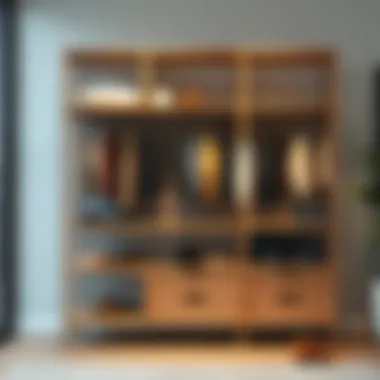
Modular furniture systems represent a revolutionary shift in clothing storage, offering flexibility and adaptability. These systems are made up of interchangeable units, allowing individuals to customize their setups based on their needs and preferences. For instance, if a family grows, their storage needs might change, and with modular pieces, they can easily rearrange or add components without replacing the entire system.
- Space Efficiency: Modular designs often utilize vertical space that isn’t achievable with traditional furniture. Instead of a bulky armoire, homeowners can install wall-mounted units that reach the ceiling, creating a chic, open feel.
- Versatile Use: Take for example, a modular shelving unit that can switch from a clothing display to a bookshelf. This kind of versatility ensures that furniture does not just sit in the corner gathering dust; instead, it actively complements a household's evolving needs.
- Personal Style: Modular systems allow for personalization in design and color, fitting naturally into whatever aesthetic a homeowner desires.
If something does not need to be static, then it should not be.
The realm of modular furniture is an excellent way to adjust your living space dynamically, and its innovative designs invite creativity and practicality in equal measure.
Built-In Solutions
Built-in clothing storage solutions are another arena where innovation shines. These types of furniture are designed to integrate seamlessly into a room's architecture. Consider how built-in cabinets can neatly house clothing while utilizing every nook and cranny of a room effectively.
- Space-Saving: Unlike standalone furniture, built-in options can be designed according to the unique dimensions of a space, eliminating wasted areas. They can turn difficult corners or odd wall shapes into prime storage real estate.
- Custom Aesthetics: Built-ins can be tailored to match the existing decor of a home, creating a cohesive look that enhances rather than disrupts a room's overall ambiance. When designed well, they can feel like an extension of the walls.
- Enhanced Functionality: Many built-in solutions incorporate features like soft-close drawers, pull-out racks, and integrated lighting, which elevate function and ease of access to stored items.
When architects and designers consider built-in furniture, they are often looking at longevity, customization, and the integral relationship between function and form in a space.
Materials Used in Clothing Storage Furniture
The choice of materials in clothing storage furniture cannot be overstated, as it plays a critical role in function, durability, and aesthetic appeal. The right materials influence not just the look of the furniture but also how well it performs its job. For designers and homeowners alike, understanding these elements allows for informed decisions that enhance both personal style and practical needs.
When selecting materials for clothing storage solutions, several factors come into play: durability, maintenance, price, and environmental impact. Each material has its own set of characteristics, which cater to different preferences and requirements.
- Durability: Some materials withstand wear and tear better than others, making them ideal for everyday use.
- Maintenance: Consider how easy it is to keep various surfaces clean and looking fresh.
- Price: The budget can significantly influence material choices, with some options offering luxury and trendiness, while others are more economical.
- Environmental Impact: With a growing emphasis on sustainability, the ecological footprint of materials is becoming increasingly important.
This section will highlight three primary categories of materials used in clothing storage furniture: wood, metal, and eco-friendly options.
Wood: A Classic Choice
Wood has long been regarded as a timeless material for furniture, including clothing storage options. Its natural beauty and substantial presence can add warmth and character to a space. Different types of wood, such as oak, maple, and walnut, each offer unique grains and colors that influence the overall design.
- Aesthetic Versatility: Wood can fit into multiple design styles, from rustic to modern, enabling it to cater to a wide range of aesthetics.
- Strength and Longevity: Solid wood, especially, is known for its durability, often lasting for generations if cared for properly.
- Customization: Furniture makers can easily incorporate intricate designs or finishes that enhance the piece's elegance.
However, it's essential to consider that wood requires regular maintenance, including polishing and protecting it from moisture to prevent warping or damage.
Metal and Industrial Designs
As industrial design rises in popularity, metal has become a go-to material for clothing storage furniture. Its sleek look and modern feel add an edge to any interior. Here are some key features of metal furniture:
- Strength: Metal pieces tend to be exceptionally strong and are less likely to suffer from physical damage compared to wooden counterparts.
- Lightweight Options: Some metals, like aluminum, offer lightweight solutions without sacrificing sturdiness, which is particularly useful in foldable or movable pieces.
- Maintenance: Metal is usually easier to maintain than wood and is resistant to pests, decay, and moisture, making it suitable for various environments.
On the flip side, metal may lack the warmth offered by wood. Designers often pair it with woods, fabrics, or finishes that soften the look for a balanced aesthetic.
Eco-Friendly Materials
With rising awareness of environmental issues, eco-friendly materials are increasingly relevant in furniture design. These can include bamboo, reclaimed wood, and innovative composites made from sustainable sources.
- Sustainable Sourcing: Many eco-friendly materials come from renewable resources, ensuring less environmental strain.
- Impact on Health: Options labeled as low-VOC or no-VOC are available, which contribute positively to indoor air quality.
- Unique Characteristics: Many eco-friendly materials come with unique textures and stories, enriching the narrative behind each piece.
Choosing eco-friendly materials requires thoughtful consideration and often a willingness to invest. However, many consumers find the benefits outweigh any challenges, especially as sustainability becomes integral to modern living.
"Incorporating carefully selected materials into clothing storage solutions can elevate the design while safeguarding our planet for future generations."
By understanding the importance and implications of various materials, you can make informed choices that reflect both personal values and practical needs, contributing to a harmonious living environment.
Functional Considerations in Clothing Storage
When it comes to designing clothing storage solutions, functionality takes the front seat. Furniture should not just look good; it needs to serve a purpose efficiently. In today’s fast-paced world, people are juggling numerous responsibilities and their living spaces reflect that. Therefore, thoughtful consideration of functionality can transform the way we interact with our clothing storage.
The Importance of Organization
A well-organized space is a tranquil space. It’s often said, "A place for everything and everything in its place." This rings especially true for clothing storage. When all items are organized, retrieving them becomes effortless. But how do you achieve this organization effectively?
- Categorization: Organizing clothing by type—shirts, pants, jackets—can save valuable time when getting dressed.
- Labels: If you're the type who often forgets what goes where, labels on shelves and bins can make a world of difference.
- Rotating Seasonal Items: Keeping only current season clothing visible aids in decluttering while making it easier to find what you need.
In addition, investing in drawers with dividers or shelving units allows more precise organization. This not only enhances accessibility but also maintains the neatness of each section, which is essential for visual appeal.
Maximizing Space Efficiency
In many homes, space is at a premium. Thus, maximizing space efficiency is paramount for anyone looking to simplify their daily routine. Think outside the box—literally. Multifunctional furniture could be the golden goose you didn’t know you were looking for.
- Utilizing Vertical Space: Don’t just rely on horizontal designs. Tall shelves or wardrobes that reach up to the ceiling can efficiently harness unused vertical space.
- Under-Bed Storage: Many are unaware that the area under beds is prime real estate for storage. Boxes or drawers that fit under beds can hold seasonal clothes or seldom-used items out of sight but easily accessible.
- Built-In Options: Custom-built furniture can utilize odd spaces that traditional furniture may skip altogether. Corners can become useful with specially designed cabinetry that holds clothing without taking away from floor space.
Accessibility and Usability
After organization and space optimization comes accessibility. If your furniture isn’t user-friendly, it sort of defeats the purpose of making life easier. When selecting storage solutions, consider the following:
- Ergonomic Designs: Furniture that is designed with how people really use it can lead to a more pleasant experience. Think of drawers that open smoothly without straining your back or shelves that hold items at a height that is easy to reach.
- Open vs. Closed Storage: Depending on individual needs, some people prefer open shelving to display items while others favor closed cabinets to hide clutter. Each has its pros and cons based on accessibility and usability.
- Incorporating Technology: Smart storage options, equipped with features such as integrated lighting, can illuminate dark corners and help locate items faster, making daily routines feel less like a hassle.
In summary, the functional considerations in clothing storage extend beyond mere appearance. They encompass organization, space efficiency, and user-friendliness, creating a holistic solution that meets modern living needs. As you consider multifunctional furniture, keeping these concepts in mind will ensure that your choices are not only stylish but also supremely practical.
Aesthetic Considerations
When selecting clothing storage solutions, aesthetics cannot be overlooked. The visual appeal of furniture serves not only as a mere decorative element but can also deeply influence the overall ambiance of a room. In the realm of multifunctional furniture, balancing style with utility becomes essential. The right design choices can transform practical storage into an art form, creating an inviting and cohesive living environment.
Matching Style with Functionality
A successful piece of multifunctional furniture does more than just store clothes; it complements the interior design of a space. Consider a sleek wardrobe that incorporates sliding doors and minimalistic lines. Such a design not only maximizes room efficiency but also contributes to an uncluttered aesthetic. The challenge, however, lies in ensuring that the furniture fits seamlessly into various styles, from modern to rustic.
- Minimalist Designs: Employ simple shapes and colors, making spaces feel larger and more open.
- Vintage Pieces: Adding character, distressed wood or antique finishes can contrast nicely in modern settings.
- Eclectic Options: Using bold patterns or bright colors can serve as a statement piece, drawing attention while offering utility.
A case in point is a well-designed armoire that boasts a vintage exterior while concealing modern organizational features. This duality not just fulfills a practical need but also enhances the style quotient of the room.
Color Schemes and Materials
The choice of materials and colors plays a pivotal role in how furniture integrates within a space. Soft neutrals can create a calming backdrop, allowing bolder decorative elements to stand out, while darker shades may evoke sophistication and coziness.
- Natural Fibers: Cotton, linen, and wicker often create a warm, inviting feel, making them ideal for casual settings.
- Metal Accents: On the other hand, incorporating metal like stainless steel can add a contemporary edge, projecting durability and modernity.
For instance, a light wood dresser with metal handles offers a perfect blend of warmth and sleekness, catering to diverse tastes. Mindfully selecting color schemes that match wall paint or other furnishings can further enhance visual harmony.
Custom Designs for Unique Spaces
Every individual or family has unique needs and tastes, making bespoke furniture designs increasingly valuable. Custom solutions empower homeowners and designers to create pieces that fit exact dimensions, styles, and storage requirements. This approach ensures that the furniture doesn’t just serve a functional purpose but also resonates with the lifestyle of its users.
The process often starts with:
- Understanding Space Limitations: Customization allows flexibility for awkward corners or small apartments, optimizing even the tiniest alcoves.
- Incorporating Personal Preferences: Inputting specific design features, from handle styles to interior compartments, ensures that the end product aligns with the user’s individuality.
- Creative Layouts: Collaborative dialogues between clients and designers can yield innovative storage solutions, such as a hidden drawer in a staircase or a fold-down desk that blends with a wardrobe.
Lean on custom furniture that embraces both functionality and style, encapsulating the identity of those who inhabit the space.
Custom designs offer not only practicality but also a distinct expression of personal taste, overcoming the challenges of one-size-fits-all solutions.
In summary, delving into aesthetic considerations reveals the huge impact of thoughtful design in multifunctional furniture for clothing storage. It elevates a functional task into an artfully crafted experience that harmonizes with our identities and surroundings.
Innovations in Technology
The realm of multifunctional furniture has seen a significant shift over the years, with technology playing a pivotal role in shaping its evolution. In the context of clothing storage, innovations not only elevate functionality but also seamlessly integrate into modern lifestyles. These technological advancements enhance user experiences, allowing for a more efficient organization of personal belongings. As we explore this section, it’s crucial to recognize how technology makes the space not just smarter but also more intuitive.
Smart Furniture Solutions
Smart furniture solutions provide a blend of style and innovation. Imagine a clothing storage system that knows exactly how many shirts or pairs of pants you own and suggests what to wear based on weather forecasts. Such systems are no longer the stuff of science fiction; they are becoming increasingly prevalent in home designs today. These interactive storage units often come equipped with features like:
- App Connectivity: Users can manage their wardrobe through a smartphone app, receiving alerts for wardrobe inefficiencies or outfit reminders.
- Environmental Sensors: Some smart furniture includes sensors to monitor humidity levels, ensuring that clothes remain in pristine condition without the risk of mold or damage.
- Automated Sorting: With built-in technology, users can effortlessly sort garments, making it a breeze to find what you need quickly.
These advancements not only save time but also enhance the joy of dressing, making technology a true ally in decluttering personal spaces.
Integrated Lighting
Integrated lighting is a game changer when it comes to clothing storage. Proper illumination can transform a mundane storage area into a well-lit, functional part of the home. Here’s why integrated lighting is so vital:
- Enhanced Visibility: Wardrobes and closets can often feel like a black hole. Integrated LED lighting brightens dark nooks so you won’t lose track of your favorite jacket or that elusive pair of shoes again.
- Aesthetic Appeal: Not only is lighting practical, but it also adds a layer of elegance. Whether it’s a soft glow that outlines the shelves or a spotlight on select pieces, integrated lighting can enhance the overall aesthetic of your room.
- Energy Efficiency: Modern lighting solutions, especially LEDs, consume less power and last longer, combining style with sustainability. This makes them an ideal choice in furniture design today.
In essence, innovations in technology are reshaping how we perceive and utilize clothing storage. These enhancements ensure that multifunctional furniture is not merely about holding items but also about enhancing lifestyle and promoting efficiency.
"The right technology in furniture can redefine personal space. It’s about creating an environment that speaks to both utility and beauty."
As we wade deeper into a world where technology and design converge, furniture evolves from simple storage solutions to a sophisticated blend of functionality and artistry.
For more on the intersection of design and technology in furniture, consider exploring resources such as Wikipedia and Britannica.
Stay tuned as we delve into more trends and innovations that shape the future of clothing storage.
Sustainability in Clothing Storage
Sustainability is no longer just a buzzword; it’s a critical consideration in furniture design, particularly for clothing storage solutions. As the global community becomes more aware of environmental challenges, the demand for sustainable furniture has seen a marked increase. This segment explores how the principles of sustainability can influence the design, functionality, and longevity of clothing storage while aligning with ethical and environmental standards.
Material Sourcing and Environmental Impact
When it comes to clothing storage, the sourcing of materials plays a pivotal role in shaping the environmental footprint of furniture. Furniture manufactured from sustainable materials, such as bamboo or reclaimed wood, offers a favorable alternative to traditional timber harvesting, which often contributes to deforestation. The use of materials that are less resource-intensive** comes with several benefits:**
- Reduced Carbon Footprint: Sustainable materials typically involve lower carbon emissions during production.
- Resource Conservation: Sourcing materials responsibly helps in preserving natural resources for future generations.
- Waste Reduction: Utilizing recycled or upcycled materials minimizes landfill waste and encourages a circular economy.
However, it is crucial to scrutinize claims surrounding sustainability; certifications such as Forest Stewardship Council (FSC) can guide consumers in selecting truly sustainable products. The growth of the online community also allows designers and consumers to discuss ideas, making platforms like Reddit a valuable space for engaging in sustainable practices.
Longevity and Durability of Design
Sustainability goes beyond materials; it also encompasses the longevity and durability of the design itself. When furniture is built to last, it not only reduces the frequency with which items need to be replaced, but also lessens the demand for new resources. Here’s why durability is essential in clothing storage furniture:
- Cost-Effectiveness: Quality storage solutions often accrue more value over time as they do not require frequent replacements.
- Less Environmental Impact: Fewer replacements mean reduced waste and lower demand for new materials, hence preserving the planet’s resources.
- Consumer Satisfaction: Well-made furniture tends to increase user satisfaction, leading to trust in manufacturers who prioritize longevity.
An example of durability can be seen in solid wood dressers that can withstand the test of time and still look attractive after years of use. A well-maintained piece not only has a long life span but often gains character over the years.
"The long-lasting nature of sustainable furniture can provide a quiet reassurance that your investment is in alignment with eco-friendly values."
Furniture in Small Spaces
In today’s urban living, space is often at a premium. Small apartments or houses can pose a real challenge when it comes to organizing belongings, particularly clothing. Multifunctional furniture for clothing storage steps in as a game changer. It provides clever solutions that allow inhabitants to effectively utilize every inch of available space while keeping things tidy and stylish.

Maximizing Vertical Storage
When floor space is limited, going vertical can be your best strategy. Utilizing vertical storage not only maximizes area but also draws the eye upward, creating the illusion of more space. Think tall bookshelves or wall-mounted cabinets that reach the ceiling. This kind of arrangement encourages a thoughtful organization where both clothes and decor can coexist harmoniously.
Consider these tips for effective vertical storage:
- Over-the-Door Racks: Perfect for adding extra space without any major renovations. These racks can hold shoes, accessories, or even smaller items like bags.
- Suspended Shelves: Floating shelves above a desk or dresser can hold more than just books; they can be perfect for folded clothes or decorative baskets.
- Vertical Dressers: Though it may seem unconventional, slim vertical dressers can fit into tight spaces and offer ample storage capacity while adding a modern touch.
"Vertical solutions not only reserve essential floor space but also lend a visually appealing element to small rooms."
Dual-Function Furniture Options
Dual-function furniture is the Swiss Army knife of small-space living. These pieces serve two purposes, proving invaluable for city dwellers with compact living arrangements. A bench that doubles as a storage box or a bed with drawers underneath can dramatically simplify your life.
Here’s a look at some functional duo pieces:
- Storage Ottomans: These versatile pieces can serve as seating, a footrest, or an impromptu table, and they often come hollowed out inside for stashing items.
- Murphy Beds: When closed, these beds seem to disappear into the wall, freeing up essential space during the day. It allows a bedroom to transform into an office or a gym seamlessly.
- Convertible Sofas: Perfect for studios, these can switch from couch to bed in no time, accommodating guests without taking up valuable space.
- Coffee Tables with Shelves: These tables can hold magazines, remote controls, or even clothing items that you frequently need but don’t want to display.
By choosing dual-function options, you gain practical functionality and aesthetic appeal, blending seamlessly into your living area without sacrificing style for space.
Case Studies in Custom Designs
Examining case studies in custom designs of clothing storage furniture offers valuable insights designed to inspire and inform designers, architects, and homeowners alike. This subsection highlights how tailored solutions can not only meet individual needs but also push the boundaries of creativity and innovation in furniture design. When immersing oneself in these real-world applications, one gains a more nuanced understanding of the multitude of options available in the realm of multifunctional furniture.
High-End Residential Solutions
High-end residential solutions showcase how luxury can marry functionality in superb design. Custom wardrobes in loft apartments, for instance, can transform what might be a cluttered space into a well-organized sanctuary.
Imagine a sprawling walk-in closet featuring built-in shelving, hidden compartments, and integrated lighting that makes selecting outfits a breeze. Some designs integrate features like an island in the center, providing extra surface area for folding garments or displaying accessories. Here, the marriage of function and aesthetic appeal is clear.
Moreover, these unique designs reflect personal taste. Customization can include everything from specific wood finishes to unique handle designs, making the wardrobe not just a storage unit but a statement piece. A notable case is the creation of a modular furniture solution that blends a dressing area with storage; the result is a sleek, minimalist space that caters to both storage and aesthetic desires.
"Custom designs should feel like an extension of oneself, mingling both needs and tastes seamlessly."
Commercial Furniture Applications
In commercial settings, the importance of efficient clothing storage cannot be overstated. Retailers, for instance, require stylish yet practical display units that entice customers while effectively storing inventory. A great example is a boutique that integrates shelving with seating areas. This clever approach allows customers to sit down and try on accessories while giving the store additional storage to keep products off the floor and organized.
On another side, office environments have also begun adopting multifunctional furniture. Companies are investing in custom cabinetry for employee wardrobes, allowing staff to keep their personal items neatly stored while keeping the work area free of clutter. The cabinets might include a section for hanging suits and ties, alongside drawers for shoes and personal items. This design not only enhances appearance but also promotes a more organized work environment.
These case studies illuminate the importance of adaptability in design. Tailoring furniture solutions around specific needs in residential and commercial settings creates spaces that are both visually stunning and remarkably efficient, appealing to the practicalities of everyday life.
Trends and Future Directions
The landscape of interior design is shifting, particularly with clothing storage solutions. As we navigate through changing lifestyles and evolving tastes, multifunctional furniture is not just a trend; it’s becoming a necessity. This section explores what’s on the horizon in terms of innovative designs and practical implementations of clothing storage, illuminating how these trends can significantly enhance both functionality and aesthetics in various living spaces.
Emerging Trends in Design
As society leans increasingly towards minimalism, furniture design is responding with solutions that are not just stylish but also serve multiple purposes. One emerging trend is the rise of furniture that adapts to the user’s needs. Designers are focusing on adaptable units that can shift their configuration to accommodate different demands. For instance, a bench that doubles as a storage unit can seamlessly transition from a place to sit to a storage solution for shoes or bags, thus minimizing clutter while maintaining style.
Moreover, the integration of technology into furniture is another notable trend. Smart furniture facilitates easy management of belongings through mechanisms like built-in charging stations or connected apps. Imagine a wardrobe that not only displays its contents through a smart mirror but also suggests outfits based on the weather or your calendar events. Such innovations are paving the way for the future, radically altering how we view and use furniture.
The appreciation of aesthetic versatility also supports the trend towards multi-purpose designs. Furniture that incorporates hidden compartments or can easily transform into different configurations is becoming more common. For example, a traditional dresser could morph into a compact desk that still offers ample storage for clothing. Such versatility caters to both minimalism and maximalism—households can adapt to different styles or needs without cluttering the space with excess items.
Predictions for Multifunctional Furniture
Looking to the future, one can expect to see an increased focus on sustainability in designing multifunctional furniture. More consumers are becoming conscious of their environmental impact, prompting designers to incorporate sustainable materials and processes into their work. This approach not only emphasizes the lifecycle of materials used but also appeals to buyers who prioritize eco-friendliness in their purchasing choices. Think of styles that incorporate reclaimed wood or recycled metals, blending ethics with high design.
Moreover, customization will likely emerge as a significant trend. Homeowners want pieces that reflect their unique personalities and living styles, thus leading to a demand for modular systems that can be personalized. An upholstered storage ottoman that matches the color scheme of a living room decor but still provides a spot for hiding blankets or magazines exemplifies this idea.
"The future of furniture design is in creating solutions that resonate with the individual’s needs while considering the greater good of our environment."
Another prediction is the seamless integration of organizational features. Furniture pieces will likely incorporate built-in storage solutions that blend beautifully into the design, moving away from bulky storage systems towards aesthetics that enrich the space. For instance, incorporating clothing storage into furniture such as coffee tables or nightstands will enable users to declutter without sacrificing style.
In summary, the trends observed are shaping multifunctional furniture into a major player in interior design. From increased adaptability and technological integration to sustainability and customization, the future promises innovative solutions that prioritize utility without undermining aesthetic appeal. This evolving landscape challenges designers and homeowners alike to think creatively about their spaces—a necessity in the ever-evolving world of modern living.
Culmination and Recommendations
In summary, as we traverse the world of multifunctional furniture for clothing storage, it's clear that creating a harmonious blend of style, functionality, and sustainability is essential. The insights from this exploration uncover not just the variety of options available but also the importance of making informed decisions that align with individual needs and preferences. By recognizing how these furniture pieces serve not only a practical purpose but also contribute to the overall aesthetic of a space, one can truly appreciate their role in modern living.
Summarizing Key Insights
The main takeaway from this article is the transformative potential of multifunctional furniture. Keeping several key points in mind can enhance the decision-making process when selecting clothing storage solutions:
- Versatility is King: Diverse designs such as booths that double as wardrobes or benches that store clothes can maximize space, especially in compact environments.
- Material Matters: Selecting the right materials not only influences durability and maintenance but also can affect the style and feel of a room. It's best to go with natural woods for warmth, or metals for a sleek, industrial look.
- Aesthetic Meets Utility: Finding the balance between a design that appeals visually while also being functional is crucial. Decorative storage can be just as necessary as everyday items.
- Smart Solutions: Keeping an eye on technological innovations, like integrated lighting or smart functions, can add an extra layer of convenience and enhance the user experience.
"The less you clutter your space, the more room there is for what truly matters."
Through thorough research and expert insights, homeowners can step forward with confidence in making thoughtful choices that elevate their spaces.
Encouraging Thoughtful Design Choices
As we wrap things up, it's paramount to highlight the importance of thoughtful design choices for clothing storage. Consider these recommendations:
- Assess Your Space: Before making any purchases, take measurements and understand the flow of the area. Furniture should fit seamlessly into your life, not disrupt it.
- Prioritize Functionality: While beauty is important, ensure the storage solutions facilitate easy access and organization. A style that leads to chaos is far less appealing.
- Personal Touch: Custom designs or bespoke solutions can cater to unique requirements, transforming a generic concept into one that reflects personal taste and lifestyle.
- Keep Sustainability in Mind: Opt for eco-friendly materials and processes. Not only will this protect the environment, but it also often results in quality craftsmanship.
Ultimately, the goal of incorporating multifunctional clothing storage is to create an environment that not only looks good but also works well. By making informed decisions, one can steer clear of regrettable purchases that do not stand the test of time, ensuring every piece is a valuable addition to the space.