Exploring the Unique Features of Red Oak Butcher Blocks
Intro
When you step into a kitchen, the counter often holds secrets that tell stories of meals prepared, flavors blended, and memories created. Among the myriad choices available in kitchen surfaces, red oak butcher blocks stand out not just for their durability but also for their character, warmth, and aesthetic appeal. This section aims to unwind the threads of red oak butcher blocks, exploring how they fit into contemporary designs, their functional benefits, and their role in sustainable living.
Red oak has garnered attention in recent years, embraced by homeowners and designers alike. Its rich grain, golden hue, and sturdy composition make it a favored choice, particularly for those seeking both beauty and practicality in one package. The intrinsic qualities of red oak make it a worthy consideration for those involved in interior design or retailing high-end wooden furnishings.
This exploration will venture into the unique features of red oak butcher blocks, uncovering the advantages they bring into the kitchen and beyond. It will also examine essential care practices that ensure longevity. Ultimately, the aim is to provide professionals and enthusiasts with an informed basis on which to appreciate and incorporate red oak into their design schemes.
With that in mind, let’s dive into the evolving world of design trends that frame modern kitchens today.
Preamble to Red Oak Butcher Blocks
In today's culinary landscape, the choice of materials in kitchen design is paramount. Among them, red oak butcher blocks stand out not only for their functionality but for their aesthetic appeal as well. These blocks are integral to various kitchen tasks, serving as a solid foundation for food preparation and as a stylish element in interior design. Their numerous benefits merit a closer look, especially regarding durability, versatility, and natural beauty.
Understanding Red Oak
Red oak, known scientifically as Quercus rubra, is a hardwood tree predominantly found in North America. This species thrives in rich, well-drained soils and can attain heights of over 80 feet. Its wood is characterized by a robust density and striking grain patterns, which enhance its visual interest. Moreover, red oak's natural reddish hue adds warmth and character to any kitchen.
The grain of red oak is relatively coarse when compared to other hardwoods like maple or cherry. This coarseness contributes to the wood's add boldness, allowing it to showcase unique markings and patterns. Red oak tends to darken over time, which creates a rich patina reminiscent of heritage craftsmanship. This wood is not just about looks; it possesses impressive properties, such as an exceptional strength-to-weight ratio, making it a preferred choice for butcher blocks and other kitchen surfaces.
Furthermore, red oak features a significant amount of tannins, which bestows it with natural resistance to bacteria, an essential quality for food preparation surfaces. Its pore structure also allows for good water resistance, which is crucial for minimizing swelling and warping when exposed to moisture.
Historical Context of Butcher Blocks
Butcher blocks have been around for centuries, evolving from simple wooden slabs used by butchers in marketplaces to the sophisticated, finely crafted pieces we know today. The initial versions were often constructed from a variety of wood species, but as the culinary world advanced, so did the understanding of materials necessary for food safety and durability.
In earlier times, woodworkers favored dense hardwoods for their butcher blocks, recognizing that these materials could stand up to heavy use and were less prone to harboring bacteria. As a result, red oak gained popularity in American kitchens during the 19th century. Factories began mass production of butcher blocks, evolving them into household staples, primarily because red oak was abundant and affordable. It was during this era that the benefits of red oak's antibacterial properties were increasingly acknowledged.
Today, with a resurgence in the appreciation of hand-crafted kitchen tools, the importance and interest in red oak butcher blocks are once again on the rise. They bridge historical craftsmanship with modern functionality, making them a timeless choice for both professional kitchens and home cooking enthusiasts.
"The significance of material in culinary spaces is not just utility; it is an art form that marries functionality with design."
Characteristics of Red Oak
Understanding the characteristics of red oak is essential for anyone in furniture design or kitchen renovations. Red oak is a prevalent choice for butcher blocks due to its unique properties and myriad benefits. Knowledge of these characteristics allows architects, interior designers, and retailers to make informed decisions regarding their material selections, ensuring both beauty and functionality.
Physical Properties
Red oak is known for its robust physical attributes, making it a prime candidate for kitchen surfaces. One of its defining features is the density of the wood, sitting comfortably in the medium to hard range. This density offers a few key advantages:
- Resilience: Red oak withstands everyday wear and tear better than many lighter woods, maintaining its integrity over years of use.
- Shock Resistance: The innate toughness of red oak makes it resistant to damage from knife cuts and impacts, a crucial consideration for any butcher block.
- Moisture Absorption: With a medium moisture absorption rate, red oak acclimates well to various kitchen environments, helping to prevent warping or splitting when properly cared for.
Additionally, red oak's grain pattern enhances its stability. The prominent, straight grains create a visually appealing surface while effectively hiding minor scratches or imperfections that may occur over time. This overall sturdiness and adaptability make red oak an exceptional choice for any culinary task, standing the test of rigorous daily use.
Aesthetic Qualities
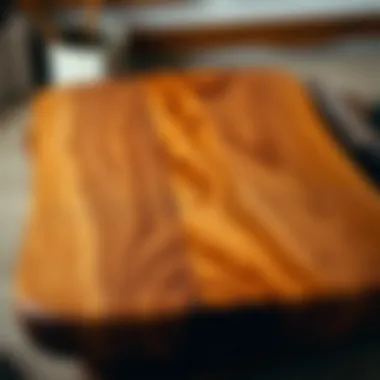
The aesthetic elements of red oak have significant implications for its appeal in various designs. Its warm, golden-brown hue offers a timeless quality that can seamlessly blend into modern kitchens or rustic settings.
- Color Variability: The color of red oak can range from light tan to a rich reddish-brown, providing versatility in design choices. Homeowners can either embrace its natural tones or apply stains that accentuate its character. This versatility allows designers to play with different color schemes and styles.
- Grain Texture: The pronounced grain of red oak provides a beautiful texture that adds depth to a butcher block. This characteristic not only contributes to the visual interest but also gives a tactile quality that enhances the user experience during cooking and food preparation.
- Finish Adaptability: Red oak accepts finishes remarkably well, from oils to varnishes, which means that it can be polished to a high sheen or left with a more natural look, depending on personal or design preferences.
"Choosing red oak for a butcher block is not just about function; it’s about infusing the space with character and warmth that elevates the overall kitchen experience."
These aesthetic qualities underscore why red oak continues to be a favored choice among those looking to create inviting and functional spaces within their homes.
Benefits of Using Red Oak Butcher Blocks


The selection of butcher blocks for culinary spaces presents itself as crucial to both functionality and aesthetics. Choosing red oak comes with a plethora of benefits that elevate its appeal in the kitchen. From durability to design flexibility, these butcher blocks stand as a testament to quality craftsmanship and timeless utility. By understanding these advantages, both homeowners and professionals in the design sphere can appreciate why red oak remains a favored choice.
Durability and Longevity
Red oak is renowned for its impressive durability. This hardwood boasts a tight grain structure which significantly contributes to its resilience against wear and tear. Thanks to its hardness, red oak can withstand heavy chopping and the rigors of daily kitchen use without showing too much wear.
- Hardness: Scales around 1290 on the Janka hardness test, making it tough enough for regular use.
- Resistance: Fights against dents and scratches better than softer woods like pine or poplar.
- Lifespan: With proper maintenance, a red oak butcher block can last for decades, becoming a staple in the kitchen.
As it ages, red oak develops a unique patina, enhancing its charm and rustic look. This interplay of durability and aesthetics means that investing in a red oak butcher block isn't just a gamble but a wise choice for those who value longevity.
"Choosing the right wood isn't just about beauty, it's about performance over time."
Versatility in Kitchen Design
When it comes to versatility, red oak doesn't just shine through in functionality. This wood can seamlessly blend into various design styles, making it an excellent choice for any kitchen.
- Classic and Modern Combinations: The warm undertones of red oak complement both traditional and contemporary designs, allowing for a harmonious integration with other materials.
- Color Palette: Works well with a range of color palettes, from earthy tones to vibrant hues, ensuring it fits effortlessly into the visual narrative of the space.
- Multiple Uses: Beyond just cooking surfaces, red oak butcher blocks can double as serving platters or stylish counters, making them multifunctional components in kitchen design.
This adaptability is vital for interior designers and architects looking to create cohesive and appealing kitchens. Utilizing red oak allows for increased creativity without straying from a polished look.
Natural Antimicrobial Properties
A lesser-known yet significant advantage of red oak butcher blocks is their natural resistance to harmful bacteria. Unlike synthetic materials, which can harbor germs in their scratches, red oak boasts inherent properties that promote hygiene.
- Antimicrobial Qualities: The natural oils in red oak help inhibit bacterial growth, making it a safer option for food preparation.
- Easy to Clean: Surfaces can often be sanitized easily with soap and water, eliminating most pathogens while retaining the wood’s beauty.
- Sustainable Choice: With the growing concern over chemical use in home environments, choosing red oak aligns with a more natural and less synthetic approach to kitchenware.
Comparing Red Oak with Alternative Woods
In today’s kitchen landscape, choosing the right butcher block material can make all the difference. Red oak holds pride of place, but how does it stack up against other woods? In this section, we will discuss several common alternative woods, focusing on their unique properties, benefits, and considerations when compared to red oak.
Maple vs. Oak
When you first consider maple as an alternative to red oak, it’s impossible to ignore that both offer strength and durability. However, they do have distinct characteristics. For one, maple tends to be a bit lighter in color and has a finer grain, which some may prefer for a more subdued look. It’s hard and strong, standing up to knife marks and heat well, making it a popular choice for those who want longevity in their kitchen tools.
On the other hand, red oak presents a different charm with its bold grain patterns. The open grain structure of red oak allows it to soak in oil, enhancing its beauty over time, while maple’s tighter grain can make it slightly less absorbent, potentially requiring more frequent oiling. An added benefit of red oak is its slightly lower cost compared to maple, which can make a big difference for those designing on a budget.
Teak as an Alternative
Teak can often be mistaken for an extravagant choice, yet it’s quite popular for butcher blocks. Teak’s natural oils make it resistant to moisture and bacteria, which is a boon for kitchen environments. This wood gleams with a rich golden hue that darkens beautifully with age. However, it comes with a price tag that may not be justifiable for everyone; it tends to be more expensive than both red oak and maple.
When considering the practical aspects, teak has a high resistance to dents, but some worry that it may be too oily, making gluing pieces together potentially challenging. Since it doesn't stain as easily as red oak, you might find that food and drink spills are less of a concern, but the trade-off here is the alteration of its natural dark color with exposure to sunlight, which can bleed off its original vibrance.
Bamboo: Sustainable Perspectives
Bamboo butcher blocks are the current sustainable darling of the woodworking world. Environmentally friendly and versatile, bamboo grows rapidly, making it an appealing alternative to traditional woods like red oak. It boasts unique properties; it’s lightweight yet incredibly durable, allowing for a surprising resilience compared to its weight.
However, one must consider the implications of maintenance. Bamboo can be more prone to scratches than red oak, requiring careful handling and specialized cleaning techniques. Additionally, while its aesthetics may appeal to some, it doesn't carry the same rich and varied hue of red oak that many homeowners appreciate. While it may come at a lower environmental cost, bamboo lacks the age-old satisfaction of solid wood grain that many find comforting and luxurious.
In summary, while each alternative wood has its strengths and weaknesses, it ultimately comes down to what fits the specific needs and style preferences of the user. Comparing these options to red oak allows individuals to make informed decisions and celebrate the beauty of wood in their culinary spaces.
Sustainability of Red Oak
As our planet faces various environmental challenges, the appeal of sustainable practices has never been greater. In the context of red oak butcher blocks, the concept of sustainability serves as a guiding principle for both consumers and producers. Not only does it encompass the responsible management of natural resources, it seeks to ensure that the beauty and functionality of red oak can be enjoyed for generations to come.
One key aspect of sustainability is the ecological impact of harvesting. The method of obtaining red oak is crucial, as it can either bolster or harm the surrounding environment. When red oak is felled, the immediate effect can lead to habitat loss for various species, disrupting local ecosystems. However, responsible and well-managed harvesting techniques allow for a balance between utilizing this valuable wood and maintaining ecological integrity. By ensuring that these trees are sourced from sustainably managed forests, manufacturers contribute to the health of forests and biodiversity.

Beyond the harvesting process, responsible sourcing practices come into play. It involves scrutinizing each step, from how the trees are logged to their ultimate transformation into butcher blocks. Manufacturers need to align with suppliers who demonstrate commitment to ethical practices. By supporting initiatives like the Forest Stewardship Council (FSC) certification, consumers can be assured their butcher blocks are sourced from responsibly managed forests. This alignment not only supports sustainable forestry but can also foster social responsibility within local communities that rely on these forests for their livelihoods.
"Sustainability in sourcing not only protects forests but also represents a choice for future generations."
Ultimately, the sustainability of red oak butcher blocks reflects a broader commitment to environmental stewardship. By engaging in responsible sourcing and supporting sustainable harvesting practices, consumers and manufacturers alike can contribute to a healthier planet. This dedication ensures that red oak continues to be a treasured resource in kitchens worldwide, marrying functionality with a conscientious approach to the environment.
Caring for Red Oak Butcher Blocks
Caring for Red Oak Butcher Blocks is crucial for retaining their beauty and functionality over time. Without proper maintenance, these striking pieces can suffer wear and tear that detracts from their aesthetic appeal and usability. It is essential to establish a routine that encompasses cleaning, oiling, and repairing any imperfections to ensure the longevity of these wooden surfaces. By investing time and effort into care, users not only preserve their investment but also enhance the kitchen's overall ambiance.
Cleaning Techniques
Keeping a Red Oak butcher block clean is the first line of defense against bacteria and unpleasant odors. Unlike plastic cutting boards, which can harbor harmful microbes, Red Oak possesses natural antimicrobial properties. This unique characteristic, however, does not eliminate the need for regular cleaning. Here are some effective techniques:
- Use Hot, Soapy Water: After each use, rinse the block with hot water and scrub it with mild dish soap. Avoid soaking it in water as this can cause warping.
- Vinegar Solution: For deeper cleaning, combine equal parts of water and white vinegar. This mixture not only cleans but also helps to neutralize odors. Wipe the board down with the solution and then rinse with water.
- Baking Soda Paste: For stubborn stains, sprinkle baking soda on the affected area, add a few drops of water to create a paste, and scrub gently with a cloth. Rinse afterward to remove any residue.
"Regular maintenance is key to prolonging the life of your Red Oak butcher block. A little effort goes a long way!"
Oiling and Maintenance
Oiling is perhaps one of the most important aspects of caring for a Red Oak butcher block. Wood naturally dries out over time, leading to cracks and splitting. Thus, regular application of food-safe mineral oil is essential:
- Frequency of Oiling: Aim to oil your butcher block every month, or more often if it appears dry. During drier seasons, increase the frequency to ensure the wood remains hydrated.
- Application Process: Start by cleaning the surface, then apply a generous amount of mineral oil using a clean, soft cloth. Work the oil into the wood in the direction of the grain, ensuring every surface is covered. Allow the oil to soak in for at least several hours or overnight for best results.
- Sealant Options: Some users prefer to use a combination of mineral oil and beeswax to create a protective layer that helps repel water. This combination not only hydrates but also adds an extra sheen.
Repairing Nicks and Scratches
Despite the best care, nicks and scratches in Red Oak butcher blocks can occur. Simple maintenance can often restore the beauty of these surfaces:
- Sanding Out Imperfections: For minor nicks, use fine-grit sandpaper to gently sand the area. Always sand with the grain and avoid heavy pressure, which can damage the wood. After sanding, wipe away any dust.
- Wood Fillers for Deeper Marks: For deeper scratches or gouges, consider using a wood filler that matches the color of the oak. Apply the filler as per manufacturer instructions and sand once dry to ensure a smooth finish.
- Routine Inspection: Incorporate regular checks into your care routine to identify any damage early. Addressing issues promptly helps prevent them from becoming worse and can save on costly repairs.
By establishing a caring regimen for Red Oak butcher blocks, users can preserve the beauty and integrity of these essential kitchen items for years to come. Investing time in maintenance is not only practical but also enhances the aesthetic value that Red Oak brings to any kitchen.
Utilizing Red Oak Butcher Blocks
The use of red oak butcher blocks transcends mere functionality in culinary tasks. Their broad appeal lies in the blend of practicality and aesthetics, making them a valuable addition in both professional and home kitchens. When thinking about utilizing these butcher blocks, one must consider various dimensions, including their inherent properties, applications in cooking, and how they fit into the broader context of kitchen design.
Cooking Prep Applications
Cooking preparation is an art that demands tools that not only perform but also enhance the user's experience. Red oak butcher blocks shine in this arena due to their durability and sturdy structure, making them perfect for slicing, dicing, and chopping. The wood has a medium density, which prevents knives from dulling too quickly while providing enough resistance to make efficient cuts.
- Support for Heavy Knives: The firm surface allows chefs to use heavier knives without fear of damaging the work surface.
- Non-Slip Properties: These blocks often feature a naturally textured grain that offers some grip, reducing the risk of slipping while preparing food.
- Natural Resilience: Their ability to resist deeper cuts and nicks makes for an ideal surface for an array of kitchen tasks, from heavy meat preparations to delicate vegetable slicing.
Using a red oak butcher block during the cooking process promotes not just utility but also a sense of tradition and craftsmanship. For many, the act of chopping vegetables or preparing meat on a solid oak surface evokes a connection to kitchen heritage, blending nostalgia with modern culinary practices.
Serving and Presentation
Beyond their utility in food prep, red oak butcher blocks can also significantly enhance food presentation. When it comes time to showcase your culinary creations, the natural beauty of red oak adds an eye-catching aesthetic to any dining experience.
- An Engaging Centerpiece: A red oak butcher block can serve as an inviting focal point. The warm tones and grain patterns capture attention and invite diners to gather round.
- Versatile Serving Options: Whether you're serving charcuterie, appetizers, or a casual family meal, these blocks can adapt to various roles. Their expansive surface area allows for creative arrangements, making meals feel special, every single time.
- Easy to Clean: Post-meal, the maintenance of red oak surfaces remains straightforward, allowing for quick clean-ups while preserving the block’s integrity. A simple wash with soapy water followed by drying keeps it looking fresh for your next gathering.
"Incorporating red oak into kitchen and serving setups offers a dual benefit: an inviting atmosphere coupled with practical cooking efficiency."
In summary, utilizing red oak butcher blocks in kitchens extends far beyond their utility in food preparation. The aesthetic appeal and functionality of these surfaces make them an integral part of contemporary cooking and dining experiences. The essential nature of red oak promotes both the practicality desired by chefs and the captivating visuals that enhance any kitchen or dining area.
Incorporating Red Oak into Interiors


When we talk about crafting enchanting spaces, incorporating red oak butcher blocks can truly elevate any kitchen, dining area, or even serving space. It’s not just about the wood itself; it’s about how it interacts with the surrounding environment. Red oak, with its gorgeous grain and warm tones, has a way of seamlessly weaving into various design narratives, making it a favorite among interior designers and homeowners alike.
Design Styles Complementing Oak
Red oak is incredibly versatile and can fit into multiple design styles. From rustic farmhouse aesthetics to modern, sleek environments, its adaptability stands out.
- Rustic Farmhouse: The natural rugged charm of red oak blends perfectly with distressed finishes and vintage accessories, drawing attention to a cozy, inviting atmosphere.
- Modern Minimalism: Surprisingly, red oak can ground minimalist spaces. Its grain and color provide a warm contrast to stainless steel and stark white cabinetry, adding depth without overwhelming the design.
- Industrial Chic: In settings that showcase raw materials, the toughness of red oak enhances the rugged features of metal and concrete.
Each of these styles allows red oak to shine, creating a connection between the wood’s natural beauty and the overall design intent.
Color Coordination with Other Elements
One of the striking advantages of red oak is how well it pairs with a variety of colors and materials. Integrating red oak butcher blocks into interiors demands a thoughtful approach to color.
- Contrasting Shades: Pairing red oak with cooler tones, such as blues and grays, can create a wonderful juxtaposition. The warmth of the wood adds balance to the cooler hues, making spaces feel inviting.
- Earthy Tones: Shades such as greens and browns complement oak’s warm palette beautifully. This pairing evokes a sense of nature, bringing a fresh and organic feel to interiors.
- Neutrals: White, cream, and beige will enhance the natural look of red oak without competing for attention. This simpler palette allows the unique grain patterns to take center stage.
"A butcher block isn’t just a tool; it’s a central piece that can unify your kitchen’s aesthetic. When selected thoughtfully, it reflects the personality of the space while being functional."
By paying close attention to color coordinates, you can ensure that the incorporation of red oak into your space feels intentional and cohesive. In the end, it’s this blend of beauty and function that keeps interior designers returning to red oak as a top choice.
Market Trends for Butcher Blocks
The landscape for butcher blocks has seen a transformation over the years, particularly influenced by shifting consumer preferences and innovative production methods. Understanding these trends is essential, as they reflect not only what consumers want but also the evolving standards of craftsmanship and sustainability in the industry. As we navigate through this section, we will delve into the current inclinations of consumers and explore cutting-edge innovations that are shaping the market.
Current Consumer Preferences
As more people invest in their kitchens, especially with the rise of home cooking during the pandemic, preferences in butcher blocks have shifted notably. Consumers show a growing inclination toward products that marry beauty with practicality. Here are some of the key preferences noted in the current market:
- Sustainability: Caring for the environment is at the forefront of many buyers’ minds. Consumers are gravitating towards sustainably sourced hardwoods, such as red oak, which offer both durability and a lower ecological footprint compared to less carefully managed alternatives.
- Customization: There’s a marked interest in personalized features. Buyers increasingly seek butcher blocks that can be tailored to fit specific needs, whether it’s cutting boards with tailored dimensions or blocks that integrate built-in storage.
- Multifunctionality: A trend to watch is the desire for multifunctional items. People want butcher blocks that not only serve as prep surfaces but also as serving platters or elements of home decor.
- Aesthetic Harmony: Consumers are focusing on how these blocks fit into overall kitchen aesthetics. The popularity of open-concept layouts means that their appearance must complement surrounding cabinetry and finishes.
- Health Benefits: There’s growing awareness of the antimicrobial properties of woods like red oak, leading patrons to choose butcher blocks that promise more hygienic food preparation.
Sifting through these preferences shows that today’s consumers are not only purchasing a product but also supporting a lifestyle that emphasizes quality, sustainability, and aesthetics.
Innovations in Butcher Block Production
The production of butcher blocks is no longer just about chopping surfaces; it’s turned into an intersection of technology and artisanal craftsmanship. Several recent innovations have streamlined the process while enhancing quality and functionality:
- Advancements in Adhesives: Modern adhesives are now being formulated to withstand frequent exposure to moisture, thus improving durability.
- Precision Engineering: This includes computer numerical control (CNC) machining, which allows for higher precision in the cutting and shaping of wooden blocks. This ensures more uniformity and less waste during the production process.
- Finishing Techniques: Innovations in finishing, such as UV-cured coatings, are gaining traction. These methods provide a more robust surface that is resistant to scratches and stains, hence prolonging the lifespan of the product.
- Integration of Technology: Some manufacturers are exploring smart technology integration, like embedded sensors to monitor maintenance needs, adding another layer of functionality.
"As the demand for quality increases, so does the responsibility to produce in an eco-conscious manner."
Adapting to these advancements in butcher block production reflects a fusion of tradition with modernity, appealing to a wider audience while meeting the standards of an increasingly discerning market.
Understanding these market trends helps in recognizing how consumer desires are breathing life into the industry. The marriage of style, functionality, and sustainability positions red oak butcher blocks as not merely kitchen tools, but as central pieces in modern culinary arts.
Culmination
The significance of examining red oak butcher blocks lies in their dual role as functional kitchen tools and aesthetic pieces in modern design. In this article, we have highlighted the unique attributes that make red oak a sought-after choice for butcher blocks. From their physical properties, such as hardness and durability, to their timeless visual appeal, which seamlessly fits into various interior styles, red oak butcher blocks offer an array of benefits that cater to diverse consumer needs.
When considering the long-term value of these materials, it’s crucial to acknowledge how their natural antimicrobial qualities contribute to a healthier kitchen environment. Furthermore, red oak’s sustainability credentials—particularly when sourced responsibly—highlight a growing consumer preference for eco-friendly products in today’s market.
The tips provided for maintenance and care reinforce the importance of preserving these blocks, ensuring they remain not only functional but also an attractive fixture in the kitchen. A red oak butcher block, when well cared for, can last decades, making it a worthy investment for homeowners and chefs alike.
Summary of Key Points
- Durability and Longevity: Red oak’s hardness provides resistance against wear and tear, making it suitable for heavy-duty kitchen tasks.
- Aesthetic Appeal: With its rich grain patterns and warm tones, red oak enhances the visual dimensions of kitchen and dining spaces.
- Natural Antimicrobial Properties: Its composition offers an added layer of hygiene, promoting a safer food prep environment.
- Sustainability: Responsible harvesting practices support environmental stewardship, aligning with modern consumer values.
Looking Forward: The Future of Red Oak Butcher Blocks
As we move forward in the culinary and design worlds, the emphasis on sustainable materials will only intensify. Red oak, with its blend of practicality and elegance, is poised to maintain a strong position in this context. The ongoing innovation in processing and treatment methods promises to enhance the functionality of butcher blocks further, potentially expanding their reputation as versatile kitchen essentials.
Future trends may also see a rise in custom designs that incorporate red oak in novel applications, from integration into kitchen islands to bespoke serving platters. Moreover, as awareness about sustainably sourced products grows, the appeal of red oak butcher blocks, known for their eco-friendly traits, may attract new markets.
In essence, the red oak butcher block stands as a testament to the evolving combination of functionality, beauty, and conscientious consumerism in interior design.