Essential Slipcovers for Deep Seat Patio Cushions
Intro
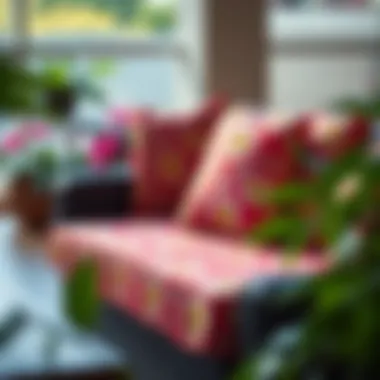
When it comes to outdoor living spaces, deep seat patio cushions play a pivotal role in setting the stage for comfort and relaxation. However, they aren’t impervious to the elements; sun, rain, and even accidental spills can wreak havoc, leaving homeowners yearning for a solution. Enter slipcovers, an often overlooked yet transformative addition for cushioning that can breathe new life into faded or worn pieces. This article will explore everything you need to know about slipcovers for deep seat patio cushions, from current design trends to practical solutions for maintenance, ensuring that you can maximize both the aesthetic and functional benefits of your outdoor space.
Design Trends
In today’s market, the aesthetic aspect of slipcovers cannot be ignored. Homeowners and designers alike are leaning towards styles that complement both contemporary and traditional outdoor spaces.
Contemporary Styles
The emerging styles in slipcovers are a reflection of modern tastes that prioritize simplicity and sustainability. Here are some notable trends:
- Minimalistic Designs: Clean lines and unembellished forms are highly sought after, allowing for a seamless blend with natural surroundings.
- Textured Fabrics: Materials like linen and cotton blends offer a more organic feel, inviting relaxation.
- Pattern Play: Subtle stripes or delicate geometric prints are on the rise, bringing interest without overwhelming the senses.
Color Palettes and Materials
Color choices in slipcovers are seeing a shift towards earthy tones that harmonize with nature. Shades like deep greens, sandy beiges, and rusty oranges are prevalent, reflecting the beauty of the great outdoors. Materials are also evolving:
- Sun-Resistant Fabrics: These materials stand up against fading from UV exposure, ensuring that your cushions maintain their vibrant look longer.
- Water-Repellent Coatings: Fabrics with such treatments are particularly beneficial for those who live in rainy climates, offering peace of mind during unpredictable weather.
"Slipcovers not only enhance aesthetics but also extend the life of your cushions, making them a wise investment for any homeowner."
Functional Solutions
While the eye-catching designs of slipcovers draw in potential buyers, their functionality ensures they remain essential. Beyond looking good, slipcovers serve key purposes in everyday use.
Ergonomic Furniture
Ergonomics plays a significant role in outdoor furniture selection. Slipcovers can augment this, ensuring that cushions not only look comfortable but feel it too. Those who prioritize comfort know that a well-designed slipcover aligns with the contours of the body, providing support where it’s needed while still allowing flexibility.
Space Optimization Tips
Many homes today are dealing with limited outdoor spaces. Slipcovers contribute to maximizing these areas. For instance, instead of buying new furniture, transforming existing pieces with custom slipcovers can refresh aesthetics without the hefty price tag of new seating.
- Create Zones: Use different patterns or colors for slipcovers to delineate spaces within an outdoor area. This method can turn a small deck into a cozy lounge or dining space.
- Dual-Purpose: Select convertible slipcovers that change function depending on the occasion, making your furniture do more with less.
By combining thoughtful design with practical functionality, the right slipcovers can transform not only the look but also the experience of enjoying your outdoor space.
Closure
Slipcovers for deep seat patio cushions embody the fusion of style and substance. They offer a practical solution to everyday outdoor challenges while also allowing for creative expression in design. As we look ahead to the changing tide of design trends, being informed is key for homeowners and designers alike. After all, creating a beautiful and functional outdoor living area will always be in vogue.
Understanding Slipcovers
Slipcovers are more than just a protective layer for your outdoor cushions; they serve a vital role in enhancing the durability and aesthetic appeal of your patio furniture. Understanding slipcovers involves grasping not just their function but also the nuances of design, material choices, and maintenance. For homeowners looking to breathe new life into their outdoor spaces, or interior designers aiming to create a cohesive look, slipcovers can be a game changer.
Definition and Purpose
Slipcovers are essentially removable fabric coverings designed to fit snugly over furniture, particularly cushions. While their primary purpose may seem straightforward—to protect furniture—there's much more to consider. A slipcover can shield your cushions from dirt, moisture, and fading caused by sun exposure. Additionally, they offer a quick way to update the look and feel of your space. Whether you're looking to match the changing seasons or give your patio a fresh vibe, slipcovers are versatile tools in your design arsenal.
In practical terms, using slipcovers can prolong the lifespan of your patio cushions significantly. When you consider the expenses involved in purchasing new furniture, investing in slipcovers becomes an attractive option. They allow for easy washing, are typically more affordable than new cushions, and can be swapped out effortlessly to match your outdoor aesthetic.
Historical Evolution
Historically, the concept of slipcovers isn't new. Dating back to the early days of furniture design, slipcovers were often used to protect fine fabrics from wear and grime. In times past, people might cover their entire couches and chairs with more losely fitted fabric, especially in homes with children or pets.
As times changed, so did the designs and materials used for slipcovers. In modern history, the introduction of synthetic fabrics offered durability without sacrificing comfort. The shift towards customized designs gained popularity as homeowners sought to infuse personality into their spaces. Today, with advances in textile technology, slipcovers can be produced in a range of colors, patterns, and fabrics, making them not just practical but also stylish.
"The evolution of slipcovers reflects changing attitudes toward design, protection, and personalization in furniture."
In summary, understanding the journey of slipcovers provides a deeper appreciation for their use in contemporary settings. Today, slipcovers have transformed into chic accessories that complement outdoor lifestyles, offering protection and beauty in equal measure.
The Importance of Cushion Protection
Keeping your deep seat patio cushions in tip-top shape is not just a chore; it's a necessity if you want them to stand the test of time and the elements. In the world of outdoor furniture, cushions are often the unsung heroes, providing comfort and warmth during those lazy summer afternoons. The significance of cushion protection will unveil itself as we dissect three primary aspects: weather resistance, stain and spill prevention, and overall longevity. Investing in quality slipcovers is a decision layered with thoughtfulness, especially when considering not only aesthetics but also functionality and upkeep.
Weather Resistance
Weather can be a fierce adversary for outdoor cushions. Heavy rain, scorching sun, and gusty winds can wreak havoc on fabric. This is where slipcovers shine. When you select the right slipcover, you’re essentially adding a barrier that can weather the storm—a shield against those unpredictable outdoor elements.
Some fabrics hold water, while others repel it. For instance, slipcovers made with water-repellent fabrics can keep cushions dry when the clouds decide to play nice. Meanwhile, UV-resistant materials fend off the sun's relentless rays, which can otherwise lead to fading and deterioration—turning those vibrant cushions into shadows of their former selves.
Whether it's the wet season or a sunny summer day, opting for slipcovers designed with these features ensures your cushions are well-protected. Here’s a breakdown of benefits you can enjoy with proper weather-resistant materials:
- Extended Lifespan: By shielding against harsh conditions, slipcovers help cushions last longer.
- Year-Round Use: With effective protection, cushions can remain outdoors longer without fear of damage.
- Aesthetic Appeal: With various designs available, your patio can maintain a fresh look regardless of the season.
Stain and Spill Prevention
Outdoor gatherings often invite inevitable spills, whether it's a splash of red wine at a garden party or a dollop of ketchup from a backyard barbecue. This is the core advantage of protective slipcovers—they act as a frontline defense against unsightly stains and odors.
Having a slipcover that’s spill-resistant can mean the difference between a quick wipe and a full-blown cushion disaster. For example, some materials use special coatings or weave patterns that repel liquids, making clean-up a breeze. Simply blot the stain rather than panicking over a ruined cushion. Furthermore, many slipcovers are machine washable, adding an extra layer of convenience for busy homeowners.
Key preventative features to look for include:

- Stain-Resistant Coating: Fabrics treated to resist staining from food and drinks.
- Easy Maintenance: Slipcovers that can be easily removed and washed save time and stress.
- Odor Resistance: Certain materials minimize odor retention, keeping your patio smelling fresh.
End
In a nutshell, the importance of cushion protection through slipcovers comes down to extending the lifespan of your outdoor furniture while maintaining their looks and integrity. They provide not just a sweet layer of comfort but a practical solution to the challenges of outdoor life. Incorporating slipcovers into your outdoor decor is like putting a custom suit on your cushions—stylish, functional, and worth every penny.
Material Choices for Slipcovers
When it comes to slipcovers for deep seat patio cushions, choosing the right material is pivotal. It not only enhances the comfort and aesthetics of the outdoor space but also influences the durability and long-term maintenance of the cushions. By understanding the materials available, one can make informed decisions that suit both practical needs and design preferences. The main materials fall into two categories: natural fabrics and synthetic fibers.
Natural Fabrics
Natural fabrics often exude a classic charm; they bring warmth and freshness to an outdoor area. Two prominent natural fabric choices for slipcovers are cotton and linen.
Cotton Characteristics
Cotton stands tall as a popular choice for slipcovers due to its soft texture and breathability. One of the key characteristics of cotton is its ability to wick away moisture, making it a comfortable option during hot weather. Additionally, cotton can come in a variety of prints and colors, allowing homeowners to match their cushions to their personal style.
However, a unique feature of cotton is its susceptibility to fading and shrinking, especially when exposed to sunlight and moisture over time. While it can be machine-washed, frequent laundering might degrade its quality. If durability is a primary concern, cotton may not always be the best long-term investment, particularly in areas with harsh weather.
Linen Benefits
Linen is another natural fabric that deserves attention for its durability and breathability. What sets linen apart is its natural resistance to dirt and its quick drying ability, which helps in maintaining a clean look around outdoor environments. Often viewed as a beneficial option, linen's unique texture provides a sophisticated aesthetic that can elevate any patio space.
However, one must consider that while linen is quite strong, it is also prone to wrinkling. This can add character for some, but for others, the upkeep may be bothersome. Furthermore, it may not be the most budget-friendly option, but its long-lasting qualities can make it worth the investment for elegant outdoor furnishings.
Synthetic Fibers
On the other side of the spectrum are synthetic fibers, which offer unique advantages in terms of maintenance and resilience. Among synthetic options, polyester and acrylic stand out.
Polyester Durability
Polyester is revered for its durability, especially in outdoor settings. Its strong fibers can resist wear and tear, making it a favorable choice for slipcovers that face the elements regularly. Beyond its strength, polyester is also stain-resistant and colorfast, which keeps it looking fresh even after prolonged exposure to sun and rain.
One downside, however, is that polyester can sometimes trap heat, making it less comfortable during the hottest days. While it performs well in most situations, it might not provide the same level of breathability as natural fabrics. As a result, owners should balance aesthetics and comfort when considering polyester.
Acrylic Versatility
Acrylic is a versatile synthetic alternative, known for its lightweight nature and resistance to UV rays. This makes acrylic an ideal material for slipcovers as it outperforms natural fabrics in terms of longevity when exposed to the sun. Homes with vibrant outdoor themes can benefit from the rich colors and patterns often available in acrylic fabrics, adding a dash of personality to patio furnishings.
Despite its advantages, acrylic can sometimes lack the softness that other materials offer. Homeowners must weigh this factor against their comfort preferences. Additionally, it may not be as easily machine-washable as some other fabrics, which could affect maintenance routines.
With all these options in mind, it becomes clear that the material choice for slipcovers can define not only the look of your outdoor cushions but also their functionality and lifespan. As one explores these fabrics, aligning choices with lifestyle needs and design aesthetics will ensure a satisfying investment in outdoor comfort.
Measuring for a Perfect Fit
Getting the right dimensions for slipcovers is crucial, especially when dealing with deep seat patio cushions. A snug fit not only enhances the aesthetic appeal but also ensures ample protection against the elements and wear. From avoiding saggy fabric to ensuring ease of removal for cleaning, a precise measurement is your best friend. Too often, people underestimate the importance of this step, only to be disappointed when their new slipcovers don't fit as expected.
To summarize, proper measurements can lead to:
- Better Aesthetics: A well-fitted slipcover presents a polished look.
- Longevity: Good fit reduces wear and tear, extending the life of both the slipcover and the cushions beneath.
- Functionality: It allows for easy placement and removal, making maintenance a breeze.
In short, accurate measurements are the foundation of a successful slipcover experience.
Essential Tools
To measure effectively, you need the right tools at your disposal. A few simple instruments can make all the difference:
- Measuring Tape: Your best ally for this task. A flexible measuring tape is ideal as it can easily wrap around cushions.
- Notepad and Pen: Keep track of your measurements; don’t rely on memory.
- Graph Paper: Helpful for sketching your cushion layout and slipcover design.
- Level or Straight Edge: To ensure that you’re measuring straight lines, especially for depth.
Having these items ready will streamline the process significantly, allowing you to focus on getting the sizes just right.
Step-by-Step Measurement
Measuring your cushions isn’t something you should approach haphazardly. Here’s a straightforward guide to ensure accuracy:
- Remove the Cushions: Start by taking the cushions off the furniture to get an unobstructed view.
- Measure the Width: Using your measuring tape, measure the widest point of the cushion from one end to the other. Take note of this measurement.
- Measure the Depth: Next, measure from the front of the cushion to the back. Ensure you do this from the thickest part for the most accurate fit.
- Measure the Height: This may not always be needed, but for deeper seat cushions, you might want to measure how high the cushion sits.
- Check for Tapering: If your cushions are not uniform, measure from each side to capture any tapering accurately.
- Record Everything: Don’t let those numbers drift away! Jot everything down carefully. Slight variances can lead to a poor fit later on.
There you have it—a straightforward, step-by-step approach to measuring your deep seat patio cushions with the goal of ensuring that your slipcovers not only fit like a glove but also elevate the look of your outdoor space.
A precise measurement can lead to a perfect slipcover fit, saving you from the headache of returning ill-fitted covers.
For more detailed resources regarding cushion sizes, you might want to check out articles on furniture design at Wikipedia or design discussions on Reddit.
Design Options and Styles
When it comes to enhancing deep seat patio cushions, design options and styles play a paramount role. Slipcovers are not just about protection; they contribute significantly to the aesthetics of outdoor spaces. Choosing the right designs can elevate the entire look of your patio, creating an inviting environment for relaxation and gatherings.
Color Schemes
Color schemes are foundational When you're selecting slipcovers. They can set the mood for the entire patio area, influencing how the space is perceived. Each season brings its unique palette and changing these colors with the seasons can breathe new life into your outdoor oasis.
Seasonal Variations
With seasonal variations, the beauty lies in adaptability. During spring, lighter hues like pastels can uplift the spirits, whereas fall may call for warmer tones. This shift in color not only reflects nature but also keeps the aesthetic fresh. Homeowners appreciate this choice as it aligns with the changing environment outside their windows.
A bright slipcover for summer can invite a playful atmosphere, while deep shades for winter could provide warmth. That’s the unique feature: a slipcover that works like magic, transforming the entire setting without much effort. However, one needs to be cautious; very bright colors might fade with continuous exposure to sunlight or drastic weather changes.
Complementary Palettes
Complementary palettes are another storytelling tool for outdoor spaces. They work on the principle of contrast, using colors opposite each other on the color wheel. This can create a pleasing yet dynamic look. The benefit here is creating visual interest, making your patio a standout feature of your home.
For instance, pairing a bright coral cover with a teal cushion can inject life into the environment. One reason this choice remains popular is its versatility; it harmonizes well with various garden styles. However, one must mind the balance; loud colors can sometimes clash if not chosen thoughtfully.
Patterns and Textures
Patterns and textures can add depth and character to slipcovers. This can make all the difference between an ordinary patio set-up and one that captivates, encouraging you to bask outside longer.
Geometric Designs
Geometric designs come with crisp lines and shapes, often appealing to those who appreciate modern aesthetics. They can be eye-catching and contribute to a contemporary look that complements urban-themed outdoor spaces beautifully.
A major advantage of geometric patterns is their ability to mix and match with other styles. They’re adaptable, working with minimalist gardens or even rustic settings. Yet, these designs often require careful selection, as overly complicated patterns may overwhelm the visual balance of your patio.
Floral Motifs
On the softer side, floral motifs often evoke feelings of warmth and nostalgia. They blend seamlessly with nature, bringing a sense of tranquility and beauty. This option remains a favorite for anyone looking to create that garden-like serenity on their patio.
Using floral patterns can enhance the organic feel of your outdoor space, telling a story of comfort and charm. However, the downside is that these patterns sometimes can go out of style, and frequent changes may be necessary to keep the look feeling fresh.
In summary, the design options for slipcovers can truly transform deep seat patio cushions into the focal point of outdoor living spaces. By considering color schemes, patterns, and textures, homeowners can create a tailor-made ambiance that reflects their personal style. Whether one opts for seasonal variations or daring geometric designs, the key is to think ahead about how these choices will wear over time.
Customization and Tailoring
Customization and tailoring are at the heart of creating slipcovers that not only protect but also enhance the aesthetic appeal of deep seat patio cushions. In today's world, where personalization reigns supreme, finding options that reflect one’s individual taste becomes vital. This segment discusses both bespoke slipcovers and DIY options.
Bespoke Slipcovers
The term "bespoke" implies that these slipcovers are made specifically to fit your furnishings. It's a tailored approach that considers the unique dimensions and contours of your deep seat patio furniture. The beauty of bespoke slipcovers lies not just in their precise fit, but also in their ability to cater to a homeowner's distinct style preferences.
When opting for bespoke slipcovers, one has the chance to choose from a range of fabrics, colors, and patterns. This can result in creating a unified look for the outdoor space. Imagine choosing a water-resistant fabric in a bright floral pattern that adds liveliness to a sombre setting; that’s not just cushioning, it’s an enhancement.
Moreover, opting for bespoke coverings can minimize wear and tear, extending the life of your cushions through rigorous use and exposure to the elements. Since they fit snugly, you won't have to worry about them blowing away in a breeze. Whether you're looking to create a cozy retreat for family gatherings or simply wanting to impress guests with eye-catching designs, bespoke slipcovers make all the difference.
DIY Options
For those with a pinch of creativity and a splash of boldness, DIY slipcovers offer a fantastic avenue for personal expression. Making your own slipcovers might seem daunting at first, but it's an engaging way to transform your outdoor area. Begin by selecting the right fabric—think durable materials that can withstand weather conditions but also look good.
Here’s a simple way to head into DIY slipcover creation:
- Measure Your Cushions: Get the exact dimensions. This step is pivotal to ensure a good fit.
- Choose Your Fabric: Options like outdoor canvas or treated cotton can be ideal due to their robustness.
- Cut the Fabric: After selecting the fabric, cut it according to the patterns you desire. It’s advisable to leave extra material for seamless finishes.
- Sew or Use Fabric Glue: Depending on your comfort level with sewing, either stitch together the pieces or use fabric glue for an easier alternative.
- Test the Fit: Once assembled, try slipping it onto your cushions to ensure it fits as intended. Adjust if necessary.
Creating DIY slipcovers not only saves money but also fosters a sense of achievement once they’re complete. Not to mention, you can always swap them out if you choose a new style or if seasons change.
Remember, the journey of customization is about finding the perfect balance between functionality and aesthetics. Each choice you make sets the tone for the outdoor experience you wish to create.
Care and Maintenance
Caring for slipcovers isn’t just about keeping up appearances; it’s paramount for ensuring longevity and functionality, especially in outdoor settings where sun, rain, and dirt can take a toll. Proper maintenance can help retain the vibrant colors and textures of your fabrics, and more importantly, protects your investment by prolonging the lifespan of your slipcovers. This segment aims to illuminate the essential practices for washing and storing slipcovers, tailored specifically for deep seat patio cushions.
Washing Instructions
When it comes to cleaning slipcovers, there are few golden rules to keep in mind that will ensure they stay fresh and inviting. Here’s a straightforward guide to make washing a breeze:
- Read Care Labels: Before doing anything, don’t skip the care labels. Fabrics like acrylic and polyester might be machine washable, while others like linen or cotton may require gentler handling.
- Use Cold Water: It’s wise to wash in cold water to prevent colors from fading and fabrics from shrinking. Hot water can be a real troublemaker when it comes to delicate fabrics.
- Gentle Cycle: Opt for a gentle cycle on your washing machine. This is particularly essential for patterned or textured fabrics that may be prone to wear and tear.
- Mild Detergents: Select a mild detergent that is free from harsh chemicals. Look for brands that specifically mention suitability for outdoor fabrics.
- Spot Clean When Needed: For stubborn stains or when you’re in a hurry, spot cleaning with a gentle solution can go a long way. A mix of water with a bit of vinegar can usually do the trick.
- Air Dry: While tumble drying is an option for some materials, air drying is the safest route. Lay the slipcovers flat or hang them up until they’re completely dry to keep their shape intact.
"Proper cleaning is like giving your cushions a spa day; it helps them stay looking their best!"
Following these steps not only keeps slipcovers clean but also maintains their integrity over time, ensuring they continue to serve your patio cushions well and look great.
Storage Tips
When the seasons change or if there's a need for a temporary solution, proper storage of slipcovers can safeguard them against elements like dust, pests, or moisture. Here’s how to go about it:
- Clean Before Storing: Always wash and dry slipcovers thoroughly before storing. This prevents the formation of mold or mildew from any residual dirt or moisture.
- Choose a Dry, Cool Location: Store slipcovers in a well-ventilated area, away from direct sunlight and moisture. A closet or an indoor storage bin can be effective.
- Use Breathable Bags: Store them in cloth bags rather than plastic which can trap moisture. Using breathable materials helps prevent any dampness.
- Avoid Heavy Objects on Top: When storing, ensure nothing heavy is placed on top of the bags. This preserves the shape of your slipcovers and avoids creasing.
- Seasonal Rotation: If you change your slipcovers seasonally, having a rotation schedule can be beneficial. Consider using a labeling system to easily identify which covers belong to which season.
With the right care and maintenance practices, your slipcovers can maintain their aesthetic appeal and functional purpose, ensuring that your outdoor space remains inviting for years to come.
Industrial Trends and Innovations
In the ever-evolving world of outdoor furnishings, industrial trends and innovations in slipcovers for deep seat patio cushions play a vital role in enhancing both functionality and aesthetic appeal. As people increasingly prioritize outdoor living spaces, the demand for durable, stylish, and eco-friendly slipcovers has surged. The fusion of cutting-edge technology with historic craftsmanship opens new avenues for designers and homeowners alike.
The key here is not just to provide protection but to do so with flair and a nod to sustainability. Let's explore the two major advancements shaping the slipcover industry today: eco-friendly materials and smart technology.
Eco-Friendly Materials
With growing environmental consciousness, eco-friendly materials are becoming immensely popular in the production of slipcovers. These materials provide an ideal blend of sustainability without skimping on quality. Homeowners and designers alike are searching for solutions that are non-toxic and less harmful to the planet. Here are a few notable options:

- Recycled Fabrics: Utilizing materials made from recycling processes reduces waste and utilizes less energy compared to production from virgin fibers.
- Organic Cotton: Grown without synthetic pesticides or fertilizers, organic cotton is not only safer for the environment but also promotes a healthier living space.
- Hemp: This plant requires far fewer resources to grow than traditional cotton, and its durability makes it an excellent choice for slipcovers.
- Bamboo: Naturally antibacterial and biodegradable, bamboo fabrics are becoming a go-to option for their lightweight comfort and sustainability.
By choosing these materials, consumers contribute to a culture of sustainability while elevating their outdoor aesthetics.
"Incorporating eco-friendly materials in slipcovers not only protects the environment but also enhances the quality of outdoor living spaces."
Smart Slipcover Technology
The rise of smart slipcover technology represents yet another promising development. This innovation taps into the Internet of Things (IoT), making slipcovers not just protective layers but interactive solutions.
Some exciting features include:
- Self-cleaning Fabrics: Fabrics designed with technology that repels dirt and stains, requiring less frequent cleaning.
- Temperature Regulation: Advanced materials that adjust based on weather conditions, helping keep the cushions cool during hot days and warm during cooler evenings.
- Integrated Sensors: Slipcovers that can monitor their own wear and tear, notifying owners when it's time for a replacement or cleaning.
The integration of smart technology into slipcovers addresses common issues faced by outdoor furniture owners while maintaining style. This innovation caters to a lifestyle that values convenience, efficiency, and sustainability.
Case Studies and Real-Life Applications
Examining how slipcovers for deep seat patio cushions have been embraced in various settings is invaluable. With the growing trend of outdoor living, understanding real-life applications provides important insights, demonstrating not just the aesthetic appeal but the practicality these covers can offer. Notably, different contexts like residential neighborhoods and commercial establishments illustrate various approaches to enhancing functionality and design through slipcovers. In particular, the interest in how these applications elevate outdoor spaces can inform future decisions for designers and consumers alike.
Residential Settings
When it comes to home environments, the use of slipcovers extends far beyond mere aesthetics; they play a crucial role in improving usability and prolonging the lifespan of patio furniture. Homeowners often select slipcovers to match seasonal changes or personal preferences. For instance, a family living in a coastal area might opt for slipcovers crafted from durable, fade-resistant acrylic material. This not only shields the cushions from harsh sun exposure but also complements the beach vibe of their surroundings.
Furthermore, taking a leaf from online sites like reddit.com, enthusiasts swap tips on choosing patterns that blend with existing decor. A floral print can add vibrancy to a garden-themed patio, while geometric designs might suit a more modern concept. In addition, concerns about spills from kids or pets lead to practical choices in color and fabric, affecting maintenance routines.
The case of a young couple in Austin, Texas, serves as an example. They transformed their outdoor space into an oasis by incorporating machine-washable microfiber slipcovers which allow for easy cleaning post-barbecue events. Before using slipcovers, their cushions bore the scars of stains and fading. Post-application, the couple noted that hosting became significantly more enjoyable knowing that their outdoor seating remained pristine.
- Key Benefits:
- Enhanced seasonal adaptability
- Minimizes time spent on cleaning and upkeep
- Personalization of space
Commercial Spaces
In the context of commercial spaces, slipcovers may play an even more critical role, where the first impression is paramount. Restaurants and cafes frequently find themselves at the crossroads of function and style. A popular bistro located in a busy urban center deployed tailored slipcovers to rejuvenate their patio seating. By investing in bespoke solutions that reflect their brand’s color palette, they successfully elevated the establishment's overall ambiance.
Moreover, high-traffic areas require fabrics that can withstand the test of time. In this scenario, slipcovers made from high-performance polyester are often preferred due to their resilience against wear and fading. A vivid case here is a small coffee shop that chose bold plaid slipcovers to accentuate a cozy vibe. After implementation, they noted an increase in customer satisfaction, further validated by positive reviews on platforms like facebook.com.
These commercial settings also serve as a testing ground for trends; savvy business owners monitor how different colors and styles influence customer behavior. The embrace of slipcovers is seen as not merely a aesthetic choice, but rather a strategic business move.
"Slipcovers transform the outdoor experience, enhancing not just comfort, but also the visual narrative of the space."
- Considerations:
- Aligning design with brand identity
- Utilizing durable materials for longevity
- Creating spaces that foster customer engagement
Through these varied real-life examples, the multifaceted nature of slipcovers for deep seat patio cushions comes to light. Friendly homes and bustling cafés both thrive when graphical and functional potential is harnessed, proving that a simple slipcover can yield significant returns in customer satisfaction and aesthetic appeal.
Frequently Asked Questions
The section on Frequently Asked Questions is crucial in this article, as it addresses common concerns and uncertainties that both homeowners and designers may face when it comes to slipcovers for deep seat patio cushions. Understanding these questions can guide effective decision-making and ensure that choices align with individual needs and aesthetic tastes.
When readers look for information, they usually want quick answers without having to dig through lengthy articles. This section provides succinct, targeted insights that can save time, emphasizing practical benefits and considerations. Here are two prominent queries that often arise:
How to Choose the Right Slipcover?
Choosing the right slipcover is akin to picking out an outfit; it must fit well, suit the occasion, and reflect personal taste. Here are some critical elements to consider:
- Type of Fabric: Selecting the appropriate material can affect both durability and aesthetics. For example, if your patio is in a high-traffic area, consider more robust fabrics like polyester blends. On the other hand, cotton slipcovers might feel softer but may require more upkeep.
- Fit and Size: It is essential to measure your cushions accurately before purchasing a slipcover. Great fit can protect the cushions from wear and tear, while a loose slipcover might lead to slippage and bunching, ultimately detracting from the visual appeal. A snug fit brings out the elegance of your outdoor seating arrangements.
- Color and Design: Factors such as seasonal themes and personal liking play significant roles. Opt for colors that either complement the existing outdoor décor or create a striking contrast. Remember, lighter shades can show dirt easily, whereas darker tones may hide imperfections.
- Practical Considerations: Think about maintenance too. If your slipcover is machine-washable, that can be a real game-changer, especially for outdoor settings where spills and dirt are a common occurrence.
Before making a choice, evaluate these elements carefully. It ensures you pick a slipcover that marries both form and function.
What is the Average Lifespan of Slipcovers?
The lifespan of slipcovers can vary quite a bit, depending primarily on the material quality and how well they’re maintained. On average, a good-quality slipcover can last anywhere from 3 to 5 years with proper care, although some might stretch to even longer.
Factors impacting longevity include:
- Fabric Quality: Higher-quality fabrics usually withstand wear better and resist fading from sun exposure.
- Usage Frequency: A slipcover used daily will wear out faster than one that’s only seasonal.
- Exposure to Elements: If your cushions are subjected to harsh weather, it can expedite the degradation of the fabric. Using protective sprays or storing them indoors during adverse conditions can extend their life.
It’s also vital to check the stitching and seams regularly. Worn or frayed edges can lead to further damage if not addressed, so taking proactive measures can safeguard your investment in the long run.
In summary, understanding the right choices and the expected lifespan can help homeowners make informed decisions that accentuate their outdoor aesthetics while also protecting their cushions from the wear and tear of outdoor living.
Closure
In wrapping up our exploration of slipcovers designed for deep seat patio cushions, it’s crucial to understand the multifaceted role these covers play in outdoor spaces. Slipcovers are not just about aesthetics; they serve as a frontline defense against the elements. From UV rays to uninvited spills, they protect cushions from damage, ensuring your investment lasts season after season.
Summarizing Key Considerations
When delving into slipcovers, several key points stand out. First, consider the material. Natural fabrics like cotton and linen provide breathability, while synthetic options such as polyester offer durability. Next, the fit matters. Accurate measurements can prevent unsightly bunching or sagging, creating a polished look. Additionally, choose colors and patterns that harmonize with your environment, making a statement without overwhelming your space. Practical maintenance is crucial—understanding washing guidelines will help in maintaining the slipcovers’ appearance.
- Choosing the Right Material: Prioritize what best suits your environment.
- Fit: Accurate measurements lead to better outcomes.
- Aesthetic Appeal: Balance color schemes and patterns.
- Maintenance: Regular care prolongs lifespan.
Future Perspectives on Slipcovers
As we look toward the future, the evolution of slipcovers seems promising, particularly with the rise of environmentally conscious choices. Eco-friendly materials are gaining traction, drastically altering how consumers view textile use in outdoor furnishings. Innovations in smart fabrics are also on the horizon—think slipcovers that can repel water, resist stains, and even incorporate technology to monitor usage patterns. Manufacturers are starting to recognize the importance of sustainability, prompting a shift towards recyclable materials, which could lead to an industry-wide transformation.
"The future of slipcovers lies in sophistication and sustainability, ensuring they not only protect but also enhance our outdoor experiences."
By keeping these insights in mind, homeowners, designers, and retailers can significantly influence the way slipcovers are perceived and utilized in outdoor living. This guide serves not only as a manual for managing slipcovers but also as a stepping stone for innovating how we beautify and protect our outdoor spaces.