Creative Solutions for Small Bathroom Designs
Intro
In the world of interior design, small spaces often pose a unique challenge, particularly when it comes to bathrooms. These intimate areas of the home serve as sanctuaries of personal hygiene and relaxation, yet they frequently require careful planning to balance functionality with style. As homeowners and designers seek to maximize every inch, innovative bathroom designs have become a focal point of interest.
The good news is that creativity knows no bounds, and with the right approach, even the tiniest bathroom can be transformed into a chic, functional retreat. This guide dives deeply into the latest trends and practical solutions tailored for compact spaces, offering insights that appeal to both professional designers and homeowners alike.
By exploring contemporary styles, thoughtful material choices, and ergonomic furniture options, we can uncover pathways to spaciousness and elegance without sacrificing essential comfort. You'll learn how strategic color palettes play a vital role in perception and atmosphere, making a small bathroom feel like a grand oasis.
This narrative will not just highlight aesthetic inspirations, but also delve into functional solutions, aiming to equip you with the knowledge to create inviting and efficient bathrooms that push boundaries in design.
Let's embark on this journey of exploration into the innovative world of small bathroom designs.
Design Trends
Contemporary Styles
Today's bathroom designs lean heavily into minimalism and modernity, with clean lines and uncluttered spaces reigning supreme. Less is often more, as the focus shifts to simplicity and quality over quantity. Here, sleek vanities, floating cabinets, and walk-in showers that skim the edges of luxury contribute to an air of sophistication.
Incorporating sustainable materials and eco-friendly elements is also on the rise. Bamboo, reclaimed wood, and recycled tiles not only reduce environmental impact but also introduce warmth to an otherwise sterile environment.
Take, for instance, the idea of using a frameless glass shower enclosure. This not only gives the illusion of expanded space but also maintains a sleek aesthetic that complements the overall design ethos.
Color Palettes and Materials
When it comes to color, light shades are your best friend in smaller bathrooms. Soft pastels and crisp whites reflect light, creating a more open feel. However, adding pops of bold colors can inject personality and excitement, making a small space memorable.
Materials matter just as much. For instance, using glossy tiles can increase shine and create visual interest through reflection. On the flip side, textured finishes can add depth and charm. A well-placed accent wall or creative backsplash can serve as a focal point, drawing the eye and enhancing the overall design.
"A color palette is not just aesthetic; it’s a map of the emotions a space can evoke."
In summary, choosing the right styles, colors, and materials is critical for crafting bathrooms that not only look good on paper but feel welcoming and functional in reality.
Functional Solutions
Ergonomic Furniture
To truly optimize a small bathroom's layout, selecting ergonomic furniture is essential. This includes pieces that not only fit seamlessly into the space but are also designed for ease of use. Consider a pedestal sink instead of a bulky vanity to open up the floor space. These designs can maintain a tidy look while allowing room for movement.
Another consideration is compact toilets with dual flush systems, which save both space and water. These innovations highlight efficiency without sacrificing performance or comfort, embodying the dual nature of beauty and practicality.
Space Optimization Tips
When faced with limitations on space, creative thinking and clever storage solutions can work wonders. Some strategies worth considering include:
- Utilizing vertical space: Wall shelving or tall cabinets can elevate storage solutions without consuming floor space.
- Hooks and baskets: Integrating these elements not only organizes but also adds a decorative touch. You can hang towels or use wire baskets for toiletries, keeping essentials close at hand but out of sight.
- Mirrors: A well-placed mirror can make a dramatic difference, creating an illusion of depth while also serving a functional purpose. Round mirrors often soften angular lines found in small bathrooms.
Arming yourself with the right design principles and practical solutions empowers homeowners and industry professionals alike to transform even the most cramped bathrooms into personal havens.
As we veer into further sections, we’ll continue to unravel innovative ideas that challenge norms and offer vibrant solutions geared toward maximizing small spaces.
For more insights on leading bathroom designs and innovations, check out resources from Wikipedia, Britannica, and Reddit.
The journey to redesigning your small bathroom begins with these foundational ideas, setting the stage for creativity and efficiency.
Foreword to Small Bathroom Design
In today's world, where urban living often means sacrificing space for convenience, small bathroom design has emerged as more than just a trend—it's a necessity. More homeowners are recognizing the potential of their compact areas, turning what might seem like impractical spaces into functional and aesthetically pleasing retreats. The key to achieving a satisfying small bathroom lies in a thoughtful combination of design principles, material selection, and innovative storage solutions. This article seeks to guide readers through these elements, showcasing how creativity can change the narrative of limited spaces.
Understanding the Challenges
Small bathrooms often present a unique set of challenges that demand smart thinking. The foremost issue is space constraint—fitting all necessary fixtures, such as toilets, sinks, and showers, while still allowing for movement can feel like solving a jigsaw puzzle. Furthermore, inadequate natural light can make these spaces feel cramped and uninviting. Homeowners may struggle with finding adequate storage that doesn’t overwhelm the area, leading to clutter. Addressing these challenges requires not only skilled design but also an understanding of how to maximize each square inch to create a harmonious and usable environment.
Importance of Design in Limited Spaces
The design of a small bathroom is crucial for numerous reasons. Primarily, the right design can enhance both functionality and enjoyment. A well-thought-out layout can significantly improve the user experience, enabling easy navigation and a feeling of spaciousness. Colors and finishes play a massive role as well; brighter shades can reflect light and create an illusion of depth, making the space appear larger. Additionally, the aesthetic aspect shouldn’t be overlooked. A beautifully designed bathroom can become a personal sanctuary, a place for relaxation and rejuvenation, despite its size.
"In a small bathroom, every element must work in harmony to create a cohesive essence—a sanctuary, not just a necessity."
To emphasize the significance of this endeavor, consider how an effectively designed small bathroom boosts property value. Potential buyers are often drawn to well-executed spaces that showcase not just utility but flair. It’s important, then, for architects, interior designers, and retailers to prioritize innovative bathroom designs tailored specifically for smaller environments, ensuring their clients see the potential in every nook and cranny.
Understanding the challenges associated with small bathrooms and the importance of effective design sets the tone for exploring innovative ideas and solutions in the following sections.
Essential Principles of Small Bathroom Design
Designing a small bathroom isn’t just a matter of squeezing elements into limited space; it’s about creating a harmonious blend of functionality and style. The principles of small bathroom design serve as guiding stars, illuminating the path for homeowners and designers alike. Understanding these principles can lead to spaces that are not only visually appealing but also practical, effectively addressing the unique constraints associated with small areas.
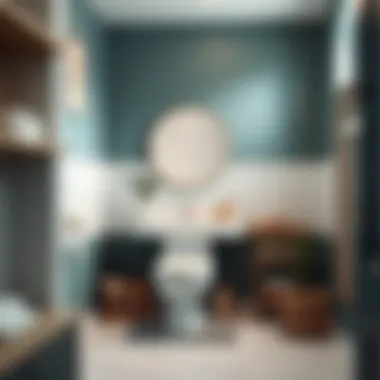

Many homeowners may underestimate the impact of smart design in a diminutive bathroom. The principles of small bathroom design emphasize optimizing available space and utilizing every inch wisely. Each decision, from fixture selection to color schemes, plays a pivotal role in creating an illusion of space while maintaining the room’s utility. By adhering to these principles, designers can facilitate an environment that allows for comfort and ease of use without compromising aesthetics.
In this section, we delve into two essential principles that can transform a small bathroom: maximizing light and space, and using effective color schemes to create an illusion of expansiveness.
Maximizing Light and Space
Natural light is an invaluable asset in any design, especially when it comes to small spaces. Maximizing light can instantly elevate the perception of space within a bathroom. There are several strategies that can be utilized:
- Strategic Window Placement: If you're in the process of renovation, consider how windows can be placed or enlarged to allow more natural light. Larger windows or skylights can offer an unobstructed view outside, making the room feel larger.
- Use of Translucent Materials: Apply glass or acrylic materials for shower enclosures or cabinet doors which allow light to filter through, creating a sense of openness. Frosted glass can maintain privacy while still being light-transmissive.
- Mirrors as Light Amplifiers: An old trick is to use mirrors to reflect light. Placing a large mirror opposite a window or strategically within the bathroom can significantly enhance the amount of light that circulates.
Implementing these techniques can result in a space that doesn’t just feel larger but is also warm and inviting. Without light, even the best designs can fall flat.
Color Schemes for Illusion of Space
Color plays a psychological role in how we perceive space. A well-thought-out color scheme can dramatically alter one's perspective on the dimensions of a bathroom.
To achieve a perception of spaciousness, consider the following methods:
- Light Colors: Employ lighter hues such as whites, soft grays, and pale blues which can reflect light, contributing to the sense of openness. Dark colors, on the other hand, may make the space feel more constricted.
- Monochromatic Schemes: Using a single color in various shades can create a seamless visual flow. For example, varying shades of pale gray or light taupe can impart depth while keeping the visual clutter at bay.
- Accent Walls: A carefully selected accent wall can add depth and interest without overwhelming the space. Soft pastels or bold colors that draw the eye can effectively create focal points.
To sum it up, understanding the principles of maximizing light and carefully selecting color schemes is crucial for anyone aiming to design a small bathroom that pops with both practicality and style. Adopting these strategies not only showcases creativity but also adheres to the realities of smaller living spaces. Designing with intention makes all the difference, ensuring that every square inch is not just utilized, but celebrated.
Material Choices for Small Bathrooms
When it comes to designing small bathrooms, the materials you choose can truly extend beyond mere aesthetics; they hold the key to functionality, durability, and the overall ambiance of these compact spaces. When selecting materials, understanding their properties—and how they interact with light and space—is crucial. Here, we take a closer look at the importance of material choices in small bathroom design.
The right materials not only contribute to a sleek look but can also create illusions of space or warmth, depending on what effect you want to achieve. Whether it’s about having water-resistant surfaces or opting for those materials that reflect light, your selection will significantly affect the feel of the bathroom. Furthermore, with the increasing emphasis on sustainable living, the choice of eco-friendly materials has become another relevant consideration for homeowners.
Flooring Options That Create Depth
Choosing the flooring for a small bathroom can be a pivotal step in enhancing the space. The illusion of depth can be remarkably influenced by the type of flooring you select. A popular choice among designers is large-format tiles. These tiles minimize grout lines, which can give a more spacious appearance by creating a seamless effect. Patterns and textures can also play an essential role. For instance, wood-look porcelain tiles not only offer a warm aesthetic but also provide the effect of lengthening the room when laid in a diagonal pattern.
Here are a few key flooring choices:
- Large-format tiles: Reducing grout lines for a cleaner, more expansive feel.
- Diagonal patterns: Placing tiles at angles can trick the eye, making spaces feel wider.
- Light-colored flooring: Selecting lighter hues can help bounce light around, brightening up the room.
- Textured vinyl: While budget-friendly, textured vinyl can provide depth without overwhelming the space.
By thoughtfully considering these elements, one can create not just a functional bathroom but also an inviting sanctuary.
Wall Finishes That Reflect Light
As the saying goes, walls have ears, but in this case, they also have the ability to amplify light. Wall finishes hold immense power to influence the atmosphere of small bathrooms. The right finish can either create a comfortable retreat or make the space feel cramped and dim. For small bathrooms, light-reflecting surfaces are invaluable. Glossy tiles, for instance, can brilliantly reflect light, effectively contributing to the overall brightness of the room.
Consider these popular choices:
- Glossy ceramics: Offering a high-shine finish that brightens the room.
- Mirrored panels: Not just a practical addition, but they also multiply luminosity and depth when strategically placed.
- Light-colored paint: Shades of pale blue or soft white can make walls recede, lending the impression of greater height and space.
- Accent tiles: Incorporating light-reflecting accent tiles can add sophistication while enhancing natural light.
Remember: The primary goal is to create a harmonious balance between function and aesthetics, ensuring the bathroom remains easy to clean while also appearing spacious.
By focusing on these elements, designers can effectively plan spaces that feel open and fresh—ideal for enjoying a moment of peace in an otherwise noisy world.
Integrating the right materials not only sets the tone but can also enhance the overall flow and utility of small bathrooms, making them functional yet stylish retreats.
Innovative Storage Solutions
In the realm of small bathroom design, storage solutions hold paramount importance. The limited square footage of these spaces often poses challenges for keeping essentials organized while ensuring that the bathroom remains aesthetically pleasing. Innovative storage not only maximizes the available area but also enhances functionality, making small bathrooms feel more spacious and efficient.
When tackling design challenges, it’s crucial to think outside the box – or rather, outside the cabinets. Creative storage options don’t merely serve a practical purpose; they can also become statements that integrate seamlessly into the overall decor.
A well-thought-out storage plan can transform clutter into charm, enabling homeowners to store toiletries, towels, and linens without sacrificing style. Considerations for innovative storage can encompass various factors, including accessibility, visibility, and maintaining a clean line of sight to evoke openness.
"The beauty of small spaces lies in their potential to be both functional and stylish. Storage solutions needn't be dull; they can be aesthetic focal points as well."
Embracing Vertical Space
One of the most effective ways to maximize storage in a small bathroom is to embrace vertical space. Think of walls not just as boundaries but as opportunities. Utilizing shelves that reach towards the ceiling can draw the eye upward, creating the illusion of higher ceilings – a key trick in small-space design.
Consider installing floating shelves above the toilet or next to the mirror. Not only do they provide practical storage, but they can also be adorned with decorative items, turning simple shelving into an art piece. Additionally, wall-mounted cabinets or built-in recesses can offer a sleek appearance while tucking away clutter.
Tips for using vertical space effectively:
- Install tall cabinets that store items without taking up significant floor space.
- Use hooks for hanging towels or accessories, promoting vertical organization.
- Consider tiered shelves, which can accommodate a variety of items while maintaining visibility.
Integrating baskets or boxes for organized storage on these shelves can add a textural element, providing a cohesive look. Remember, less visible clutter aids in expanding the visual perception of space.
Multi-Functional Furniture


In compact bathrooms, multi-functional furniture becomes an ally. Imagine a vanity that not only serves as a sink base but also includes drawers for toiletries, or a stool that doubles as a laundry basket. These ideas take on the double duty concept, conserving space and enhancing practicality.
When selecting multi-functional pieces, think about what kind of functionality is essential for your needs. A foldable bench or a storage ottoman can provide additional seating without compromising space. Meanwhile, wall-mounted mirrors with built-in shelves or compartments can ingeniously combine utility and elegance.
Moreover, consider investing in vanities with integrated design features. For instance:
- A vanity that combines storage with open shelving can provide quick access to essentials while also displaying attractive items.
- A shower bench with internal storage can be both a place to sit and a compartment for shampoos and soaps.
By prioritizing such versatile pieces, you effectively optimize space usage, ensuring every square inch counts. In the end, innovative storage solutions tailored for small bathrooms can profoundly influence the overall experience, creating environments that feel both functional and intimate.
Designing with Fixtures in Mind
When it comes to small bathrooms, the fixtures play a pivotal role in ensuring both functionality and style. Fitting the right fixtures into a limited space requires careful thought and creativity, as these are often the main components that can influence the overall feel of the room. An appropriate selection can maximize utility while maintaining a visually appealing environment.
Benefits of Considering Fixtures
- Space Optimization: In small areas, every inch counts. Selecting fixtures that are compact yet efficient helps to open up floor space. This prevents the bathroom from feeling claustrophobic.
- Aesthetic Appeal: Fixtures are often key design elements. Choosing beautifully crafted pieces can transform a functional space into a sophisticated retreat.
- Usability: Sometimes, the most stylish item doesn’t suit the practical needs of everyday use. Consideration of how you will interact with each fixture is essential to ensure a seamless experience—especially in tight quarters.
Considerations in Fixture Design
- Think about the proportion of fixtures in comparison to their surroundings. A vanity that’s too bulky can overwhelm the room, while a sleek version might complement it perfectly.
- Pay attention to the height at which fixtures are installed to ensure accessibility. For instance, a floating vanity may create an illusion of more space, making the bathroom feel brighter and airier.
By placing importance on the design of fixtures, one can effectively address the inherent challenges posed by small bathrooms while creating a space that feels inviting, functional, and stylish.
Compact Vanity Options
When dealing with limited space, the choice of a vanity can significantly impact the bathroom's organization and aesthetic. Compact vanities come in various forms, tailored to fulfill diverse needs and tastes. Some options include:
- Floating Vanities: Elevating the cabinetry off the ground can create an illusion of more floor space, making the bathroom appear larger. It’s also easier to clean beneath them, which is practical in small areas.
- Corner Vanities: Utilizing awkward corners is a clever way to maximize space without compromising design.
- Double Duty Designs: Consider vanities with built-in storage options. Drawers and shelves can accommodate toiletries, towels, and cleaning supplies while keeping everything neatly stowed away.
Each design should align with the user's lifestyle. For instance, a busy household might require something robust, while a single person may prioritize aesthetics.
Shower vs. Bathtub: Making the Choice
In many cases, the decision between a shower or bathtub can be critical in small bathroom design. Often, these two fixtures have different impacts on both the functionality and ambiance of the space.
- Showers tend to consume less space, providing a quick and practical washing solution. Choosing a glass door can enhance the bathroom's sense of openness, making the area appear larger.
- Bathtubs, on the other hand, offer relaxation and comfort. Yet, some may take up valuable real estate. A soaking tub or a small freestanding tub may provide a balance between luxury and practicality in limited areas.
Some considerations to ponder include:
- Time and Usage: If bathing is a family ritual, a tub is essential. Conversely, if it’s a race against the clock every morning, a shower might be preferable.
- Space Configuration: The layout of the small bathroom can also dictate this choice. Sometimes a corner shower fits better than a tub, or visa versa.
Incorporating Decoration Effectively
In the realm of small bathroom design, decoration plays a crucial role. It goes beyond merely beautifying the space; effective decoration breathes life into compact spaces, transforming them into personal sanctuaries. The right decorative elements can create a harmonious balance between functionality and aesthetics, allowing small bathrooms to shine like their larger counterparts.
Using Mirrors to Enhance Perception
Mirrors are not just tools for checking one's appearance; they are powerful instruments in small bathroom design. When selected and placed thoughtfully, mirrors can aid in amplifying the sense of space and light. A large mirror positioned opposite a window can bounce natural light around the room, creating an illusion of depth. This strategy is particularly useful when dealing with narrow or dimly lit bathrooms. Moreover, framed mirrors can serve as stunning focal points, offering both style and function.
“A well-placed mirror is like a cheat code for small spaces; it opens up possibilities you didn’t know existed.”
When selecting mirrors, consider those with interesting shapes or dramatic frames to add an artistic flair. Additionally, variations like mirrored cabinets achieve dual purposes of storage and reflection. Not only does this increase functionality, it keeps the visual clutter at bay, a common issue in tight spaces.
Art and Accessories in Small Spaces
Incorporating art and accessories into a compact bathroom can be a delicate balancing act. While it’s essential to avoid overcrowding the space, carefully selected pieces can bring your personality into the bathroom and make it feel more inviting. Wall art can serve as a significant focal point without taking up any physical space. Limited options like framed prints or small canvases can be ideal for this purpose.
When it comes to accessories, think beyond the conventional. Items like decorative baskets can provide essential storage while adding texture to the space. Opt for colors and materials that complement the overall design scheme. For instance, natural fibers can harmonize beautifully with light woods or neutral tiles, fostering a serene environment.
Furthermore, plants can breathe life into even the tiniest of bathrooms. Using vertical space for planters or choosing small potted plants can enhance the decor without overwhelming the space.
By embracing these thoughtful approaches to decoration, the small bathroom evolves from a purely functional area to a stylish, personal retreat.
In summary, effective decoration in small bathrooms enhances not only the aesthetics but also the overall usability of the space. Through strategic use of mirrors, art, and accessories, one can elevate the feel and look of compact areas successfully.
Sustainable Practices in Small Bathroom Design
In an era where environmental consciousness is paramount, incorporating sustainable practices into small bathroom designs becomes increasingly vital. It’s not just about saving a few bucks on utilities; it’s about embracing a lifestyle that respects our planet and uses resources wisely. Small bathrooms, often overlooked for their potential impact, can showcase innovative ways to integrate sustainability without sacrificing style.
Choosing Eco-Friendly Materials
The selection of materials is crucial in establishing an eco-friendly bathroom environment. People often think of sustainability in terms of solar panels and composting toilets, but it starts at the very foundation: the materials we choose. Bamboo, for instance, is a remarkable choice. It grows quickly and doesn’t require harmful pesticides to thrive. Install bamboo flooring or cabinetry to bring warmth while reducing your carbon footprint.
Further, look for tiles made from recycled glass or ceramic; they are durable and low in environmental impact. While shopping, keep an eye out for products marked with certifications like FSC (Forest Stewardship Council) for wood and Green Seal for various building materials. Not all materials are made equal, and that’s where research comes into play. You may have to dig a little deeper, but the results will speak volumes in terms of sustainability.


"Using sustainable materials not only enhances bathroom aesthetics but also supports a healthier planet for future generations."
Additionally, finishes matter too. Opt for low-VOC paints or glues to minimize harmful emissions that can linger in your living space. Avoiding such toxic substances is essential, especially in smaller areas where air circulation may be limited.
Water-Conserving Fixtures
Another key pillar of sustainable bathroom design lies in the fixtures. Water is a precious resource, and with climate change looming large, we must do more to conserve it. One of the simplest ways to achieve this is by installing low-flow faucets and showerheads. These fixtures can save gallons of water without sacrificing performance. For example, modern aerated faucets provide impressive pressure while reducing water usage significantly.
Moreover, consider dual-flush toilets. They allow users to choose between two levels of flushes depending on the waste, dramatically lowering water consumption. According to estimates, a dual-flush system can save a household thousands of gallons of water each year, a compelling reason for any homeowner to invest in this technology.
On top of that, smart home technologies can play a role here. Install sensors that turn water on and off automatically while washing hands or brushing teeth. These fixtures might be a bit pricier initially, but the long-term savings on water bills can offset the upfront costs significantly.
Closure
Incorporating sustainable practices within small bathroom designs is not just a trend, it’s becoming a necessity. By opting for eco-friendly materials and water-saving fixtures, you not only create a greener bathroom but also contribute to a more sustainable future. Each small choice paves the way towards a healthier living environment and reflects a commitment to the planet that discerning homeowners and designers should prioritize. Keeping such practices in mind can lead us to develop bathrooms that are not merely functional, but also embody a sense of consciousness and style.
Case Studies: Successful Small Bathroom Projects
Examining real-world examples of small bathroom designs provides a treasure trove of insights for interior designers, architects, and homeowners alike. These case studies not only illuminate innovative strategies but also underscore the various ways constraints can inspire beautiful and functional spaces. In a world where urban living is on the rise, understanding what has been achieved in small bathrooms offers a roadmap to potential solutions that enrich our understanding of what is possible within limited spaces.
Urban Apartments: Space-Saving Marvels
Consider the transformation of a typical urban apartment restroom into a model of efficiency. One noteworthy example is a compact studio apartment where the renovation focused on maximizing usability. One standout feature is the clever use of sliding doors, which eliminate the swing arc of traditional doors, freeing up valuable floor space.
The designers incorporated a corner shower with glass panels instead of a bulky bathtub that typically dominates bathroom layouts. This choice not only enhances the illusion of space but also allows for better light penetration, making the room feel larger and more open. Unique shelving units were installed above the toilet, transforming what would otherwise be wasted space into a stylish area for essential toiletries and decorative elements.
Furthermore, embracing a monochromatic palette paired with strategically placed mirrors amplifies natural light, creating an airy vibe within the tight quarters. The integration of fixtures that serve multiple purposes – such as a vanity mirror with integrated lighting – reflects how clever combinations can turn even the smallest of spaces into a design marvel.
"Small spaces demand creativity like rare gems in uncut stone. The challenge transforms the ordinary into extraordinary through design ingenuity."
Renovations: Transforming Constraints into Style
Renovation projects frequently demonstrate how reimagining existing conditions can yield remarkable outcomes. A prime example can be found in an old Victorian home, where the bathroom was originally cramped and outdated. The homeowners envisioned a sanctuary rather than a mere utility space, and thus began the journey of transformation.
The renovation team opted for a floor-to-ceiling reconfiguration, allowing for an oversized walk-in shower that became the centerpiece. By utilizing frosted glass partitions, they not only created a division of space without closing off the light but also allowed for privacy. Sleek, wall-mounted faucets and slimline vanities contributed to a cleaner aesthetic that feels more expansive.
Crafting built-in cabinets that pull away from the wall gives the effect of floating surfaces, rather than cumbersome cabinetry that might make the space feel more confined. A soft color palette instills serenity, while accent tiles add personality without overwhelming the senses.
In both instances, these renovations show that with smarter layouts and innovative choices, small bathrooms can evolve into tailored retreats that marry style with practicality.
In summary, these successful case studies paint a vivid picture of what is achievable, embracing both creativity and functionality while navigating the inherent limitations of small spaces.
Tips for Personalizing Small Bathrooms
When it comes to small bathrooms, personal expression may feel confined due to spatial limitations. However, personalizing these areas can infuse them with character, making them not just functional but also a reflection of one's individual style. Tailoring a small bathroom involves a mixture of thoughtful design, clever functionality, and unique decor that collectively transforms the space into a cozy sanctuary.
Personalization is important for several reasons: it creates a joyful atmosphere, boosts the functionality of the space, and can even elevate the overall experience of daily routines like bathing or grooming. Let’s dive into some essential approaches to make your compact restroom truly shine.
Incorporating Personal Style
Bringing personal style into a small bathroom can be accomplished subtly through color schemes, fixtures, and decor selections. Here are some approaches:
- Choose a Signature Shade: Don’t be afraid of color. A splash of your favorite hue, perhaps painted on one accent wall or through your choice of accessories, can create a striking focal point.
- Select Unique Fixtures: Opt for bathroom fixtures that resonate with your aesthetic. A vintage-style faucet or an artisanal sink can add a unique touch without overwhelming the space.
- Personal Artwork or Photos: Incorporating framed pictures, or custom wall art can give the space a personal touch. Use moisture-resistant frames to ensure longevity in humid environments.
- Textiles and Accessories: Floor mats, shower curtains, and hand towels are the unsung heroes of bathroom decor. Choose prints or textures that speak to you—these small details can make all the difference.
As you pick your decor, consider what best expresses your personality. A minimalist might lean towards neutral tones and sleek lines, while someone who loves a touch of whimsy might fill the bathroom with playful patterns and vibrant colors.
Balancing Functionality with Aesthetics
In a small bathroom, functionality often competes with aesthetics. The key is to strike a balance that ensures the space looks good while also serving its purpose effectively. Here’s how:
- Smart Storage Solutions: When selecting furniture, opt for pieces like a vanity with drawers or a shelf that maintains an open feel without sacrificing organization. Aim for design that combines beauty and practicality.
- Choose Multi-Functional Items: A mirror with built-in lighting or a fold-down bench can provide extra functionality, giving you aesthetic appeal and usability.
- Create Zones: Delineate spaces within the bathroom (for example, a make-up area and shower zone) which allows for effective use of available space while maintaining aesthetic coherence across those areas.
- Quality Over Quantity: In smaller bathrooms, it’s better to choose fewer high-quality items than to clutter the space with many functional pieces that don't meet aesthetic standards.
Ultimately, the fusion of functionality and aesthetics in your small bathroom leads to a more delightful experience. It’s about finding pieces that not only fulfill their purpose but also look stylish doing so.
"A well-designed small bathroom isn’t just about what fits; it’s about what feels right."
In summary, personalizing small bathrooms is about more than just decoration; it’s about creating a space where you feel comfortable and satisfied. With the right touches and clarity in design focus, it’s possible to transform any compact washroom into an inviting retreat.
Ending: The Future of Small Bathroom Design
In the evolving landscape of interior design, the future of small bathroom spaces is brimming with potential. The key takeaway from this article is that thoughtful design not only addresses the limitations selected but also showcases the significant benefits of utilizing innovative approaches. In a world increasingly leaning towards compact living, the demand for well-designed small bathrooms is set to rise. Emphasizing aesthetic appeal while maximizing functionality is paramount.
Emerging Trends to Watch
As we move forward, several trends are emerging that will shape small bathroom design significantly. Here are a few to consider:
- Biophilic Design: More homeowners are now incorporating natural elements into their bathrooms. This can be achieved through adding greenery or using materials that evoke the feeling of nature. Plants can improve air quality and provide a calming atmosphere.
- Bold Colors and Patterns: The days of bland, white bathrooms are fading. Eye-catching tiles, bold paint colors, and daring fixtures can create a unique aesthetic that reflects personal style. Creative use of color can also alter the perception of space, making it feel larger or more inviting.
- Smart Storage Solutions: The trend of focusing on storage continues. Innovative shelving, hidden compartments, and appliances designed for efficiency play a crucial role in maximizing the utility of small spaces. As designers streamline aesthetics and practicality, they must integrate well-designed storage solutions that fit seamlessly into the overall design.
- Wellness Centers: An emerging concept in small bathroom design is transforming bathrooms into wellness spaces. Features such as steam showers, heated flooring, and even aromatherapy diffusers can be incorporated without requiring extensive space, redefining the bath experience itself.
The Role of Technology in Modern Design
Technology has become an integral aspect of modern bathroom designs. From smart mirrors that display the time and weather to state-of-the-art water-saving fixtures, technology plays a pivotal role in enhancing both functionality and ecology of small bathrooms.
- Smart Showers and Faucets: Integration of touchless technology and programmable showerheads optimizes water usage, making them eco-friendly. These innovations offer convenience while supporting sustainable practices.
- Lighting Solutions: Advanced lighting systems, including LED strips and sensors that adapt based on natural light input, help maximize both ambiance and utility. Good lighting is essential, especially in small spaces where illumination can make or break the overall feel of the room.
- App-Controlled Design Elements: Some bathrooms now include elements that can be controlled via smartphone applications. From heated towels to color-changing lights, this level of control allows for personalized experiences in compact spaces.