Versatile Designs: Small Bathroom Sets for Modern Homes
Intro
Small bathrooms often have that peculiar balance to maintain: they must accommodate daily rituals while integrating style. The significance of small bathroom sets has gained traction in contemporary properties. These sets not only provide the essential functionality needed for smaller spaces but also serve as an avenue to express personal style. From the materials chosen to the layout design, every detail counts in crafting an inviting atmosphere.
As urban living continues to thrive, more individuals and families find themselves navigating the constraints of limited bathroom space. Therefore, understanding how to make the most of small bathroom sets is quintessential for modern homeowners. This exploration digs into the various components of these sets, the materials available, and essential design principles, ensuring both practicality and sophistication.
Design Trends
Contemporary Styles
In the realm of small bathrooms, contemporary styles reign supreme. Gone are the days when a basic sink and a showerhead sufficed. The current trends lean towards sleek designs, where minimalist aesthetics meet functionality. Think about wall-mounted sinks that create open floor space, or vanities with clean lines and clever storage options. Each piece contributes to a nimble environment where clutter is kept at bay.
Bold geometric shapes and innovative fixtures also take center stage, echoing the modern architectural ethos. For instance, round mirrors paired with square sinks create a dynamic visual tension. On top of that, integrating natural elements—like wooden accents alongside polished metal—has become a favorite for those aiming for a warm yet contemporary feel.
Color Palettes and Materials
When it comes to color, softer tones are often favored in small bathrooms. Pale blues, greens, and grays can provide an illusion of spaciousness, while darker hues lend gravitas and coziness. Moreover, using accent colors through towels or accessories can provide a visual pop without overwhelming the senses.
Materials are another focal point. Glass is widely embraced for its light-reflective properties, helping spaces feel larger. Pairing it with stone or ceramic tiles can enhance texture and depth. Consider the blend of matte and glossy finishes in fixtures, as this often creates a sense of layers while maintaining harmony.
"The beauty of small bathroom sets lies not only in their design versatility but also in their ability to maximize utility without sacrificing style."
Functional Solutions
Ergonomic Furniture
When strategizing a small bathroom setup, ergonomic furniture takes precedence. Look for pieces designed for comfort and efficiency. For instance, a corner sink can free up essential floor space, whilst a compact shower stall can often replace a bulky bathtub. The goal is to create areas that people can navigate with ease, ensuring every inch is actionable.
Incorporating multi-functionality is another hallmark of effective small bathroom design. A mirrored cabinet, for instance, marries storage with a reflective surface, serving both practical and aesthetic needs.
Space Optimization Tips
Maximizing space involves both clever design choices and strategic placement. Here are a few tips to consider:
- Vertical Storage: Utilize wall space for shelving to avoid cluttering floors.
- Sliding Doors: Consider pocket or sliding doors over traditional ones to save on clearance areas.
- Light Fixtures: Use pendant lights rather than bulky overhead fixtures to create an airy vibe.
By focusing on these approaches, homeowners can cultivate a sanctuary that combines utility with style, proving that size does not dictate sophistication.
Intro to Small Bathroom Sets
Small bathroom sets are not just about squeezing in essentials; they often play a pivotal role in the overall design of a home’s most private space. In recent years, as living spaces get cozier, the demand for stylish yet compact bathroom setups has surged. This article explores various dimensions of small bathroom sets, aiming to provide a comprehensive perspective on their significance in contemporary design.
Definition and Importance
Simply put, a small bathroom set usually includes essential elements such as a vanity, toilet, and sometimes a shower or tub, all tailored for smaller areas. The beauty of small bathroom sets lies in their ability to balance practicality with aesthetics. They transform limited space into functional havens while catering to diverse styles and tastes. Some sets are designed for sleek functionality, making even the tightest corners feel roomy and inviting. Others may embrace vintage charm, relying on nostalgic designs that evoke warmth.
The importance of these sets is heightened by their role in enhancing the user experience. In a world where comfort and convenience take precedence, well-designed small bathroom sets can seamlessly merge everyday utility with an eye for style. It's not just about fitting everything in—it's about creating a pleasurable atmosphere.
Target Audience and Market Demand
The target audience for small bathroom sets is quite expansive. Homeowners looking to optimize small spaces are often at the forefront, driven by both necessity and a growing appreciation for design. Real estate agents and property developers also see a value in these sets, as they can significantly impact property value and marketability.
Furthermore, interior designers and architects who specialize in compact living spaces are increasingly oriented towards innovative designs that echo the essence of modern living. In many urban areas, where space is at a premium, the appeal of small bathroom sets has never been so prominent. Market demand is snowballing, with young professionals and families alike seeking efficiency without compromising style.
The increased popularity of minimalistic and eco-friendly designs has also contributed to the rise of small bathroom sets. Consumers are now more inclined to invest in products that blend functionality with sustainability, prompting manufacturers to innovate continuously. With various styles and materials ranging from sleek metals to warm woods, there is something available for every taste and budget.
Staying attuned to the market trends and understanding the needs of the audience contribute not only to successful sales but also to meaningful design developments in small bathroom sets. As noted by design professionals, the right bathroom setup can enhance not just the room but also the overall integrity of a home—all while maintaining a nod to personal expression.
"The right bathroom setup can enhance not just the room but also the overall integrity of a home."
In summary, understanding the nuances of small bathroom sets is essential for catering to the thriving demand in today’s design landscape. Their capacity to enhance both utility and beauty marks them as significant both in function and market perspective.
Components of Small Bathroom Sets
When it comes to small bathroom sets, understanding the individual components is crucial. Each element of a bathroom set plays a unique role in maximizing limited space, balancing aesthetics and functionality. The right components not only enhance the room's look but also improve its usability, making small bathrooms feel less cramped and more like a sanctuary. Whether for a compact apartment or a cozy guest suite, careful consideration of each piece leads to better overall design harmony.
Vanities and Cabinets
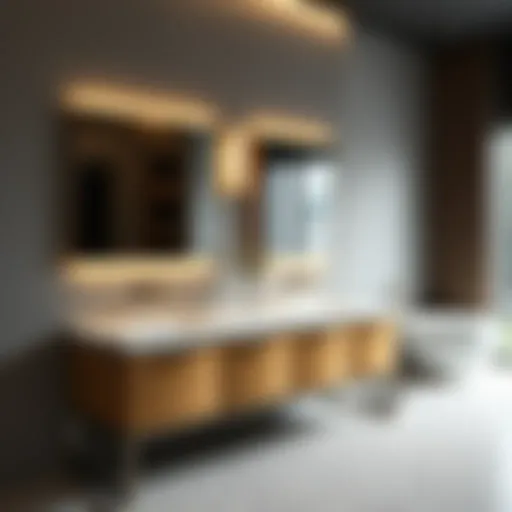
Vanities and cabinets serve as the backbone of any small bathroom. They offer essential storage solutions that keep toiletries and linens organized, while also defining the room's style. Choosing the right vanity can make all the difference—opt for sleek, wall-mounted designs that do not touch the floor. This not only creates a visual illusion of more space but allows for easier cleaning beneath.
Benefits of smartly designed vanities:
- Space-saving features: Look for options with built-in shelves or drawers that can hold more than what’s immediately visible.
- Dual-purpose solutions: Some vanities incorporate sinks, making them multifunctional without taking up additional space.
Keep in mind, not all materials are equal. While solid wood vanities are durable, they can be heavy and expensive. Lighter materials or MDF with laminate can provide an affordable alternative that's easy on the eyes.
Toilets and Bidets
In a small bathroom, the toilet is often a dominating feature. Its placement and design can significantly influence the room's layout and flow. Slimline toilets are ideal because they take up less room than standard models. When coupled with a bidet attachment, they not only offer comfort but also promote hygiene.
Considerations when selecting toilets and bidets:
- Compact designs: Many modern toilets are now designed to fit smaller spaces without sacrificing comfort.
- Height options: Be mindful of the height, especially for family use or accessibility needs. A standard height might not work for all.
Bidets, once an afterthought in bathroom design, have seen a resurgence. With sleek designs now available, they can easily blend into any small bathroom without cluttering the space.
Showers and Bathtubs
The decision between a shower and a bathtub can be pivotal in a small bathroom. While bathtubs offer relaxation, they require more real estate. Conversely, showers are often the go-to for efficiency and space savings.
Shower options worth considering:
- Corner showers: These utilize otherwise wasted space and can create a more open floor plan.
- Walk-in designs: Providing a sleek look, these eliminate the curtain or door, enhancing accessibility and style.
In the case of bathtubs, consider freestanding models that can be positioned creatively, or shorter tub styles that fit snugly in tight spots. The key is to think creatively—do you really need both? A small tub can double as a showering space.
Mirrors and Fixtures
Mirrors and fixtures may seem like mere accents, but they are strategic tools for enhancing a small bathroom. They can provide a window effect, reflecting light and creating depth.
When choosing mirrors:
- Large, unframed designs: These can make the space feel open. A single large mirror over the vanity might be all you need.
- Decorative mirrors: They can serve as statement pieces, bringing personality into the room.
Fixtures should not be overlooked either. Opt for sleek faucets and showerheads that maintain an airy feel in space. Consider matte finishes over shiny ones to avoid showing water spots.
"In a small bathroom, each component contributes to the overall narrative. Choose wisely to create a cohesive design."
In summary, the components of small bathroom sets are essential interlocking elements. Each part—vanities, toilets, showers, and mirrors—works in concert to optimize space and enhance the aesthetic appeal. Understanding these elements can empower homeowners and designers alike to craft bathrooms that are both stylish and functional.
Material Options for Small Bathroom Sets
Choosing the right materials for small bathroom sets is like picking the right ingredients for a gourmet meal. It's not just about aesthetics; it encompasses durability, maintenance, and functionality too. The materials used can significantly affect the overall feel and longevity of the bathroom space, making it essential to understand what options are available. This section will delve into two primary categories of materials: wood versus metal and synthetic materials, offering insight into their benefits and considerations when designing small bathroom sets.
Wood versus Metal
When deciding between wood and metal for bathroom components, each material presents unique perks. Wood often brings warmth and a classic feel that softens the atmosphere, making it inviting. It's typically used in vanities, cabinets, and shelving. However, wood demands attention. It needs sealing and periodic maintenance to prevent water damage, warping, or rot, especially in humid spaces. A well-maintained wooden vanity can be both a striking centerpiece and a statement of sophistication.
On the flip side, metal, often used in fixtures and accents, boasts a contemporary edge. Stainless steel, for instance, is highly resistant to rust and corrosion, which is paramount in a moisture-laden environment. Metal finishes can create a sleek, industrial aesthetic, appealing to modern design sensibilities. However, metal can feel cold and sterile if not properly balanced with warmer elements.
To blend both worlds, consider combining wooden cabinetry with metal fixtures. This can bridge traditional and modern styles, creating a cohesive look that captures the best of both.
Synthetic Materials
Now, let’s dive into synthetic materials. These have gained traction for their versatility and functionality. Laminate surfaces, for example, can mimic the appearance of wood or stone without the hefty price tag or maintenance demands. They're generally easier to clean and resistant to stains, perfect for busy households.
Another popular option is acrylic. It’s lightweight and customizable, allowing for innovative designs in small spaces. Acrylic tubs or sinks can fit snugly into tight corners while offering a chic, modern flair. Moreover, it’s less likely to retain temperature, which can be a double-edged sword depending on your preferences for comfort.
Here are some benefits and considerations when opting for synthetic materials:
- Pros:
- Cons:
- Lightweight and easy to install
- Wide variety of designs and finishes
- Typically more budget-friendly
- Easier to clean and maintain
- May not have the same luxurious feel as natural materials
- Can be less durable than solid wood or metal options depending on the quality
- Some might not resist heat as effectively as traditional materials
Design Trends Influencing Small Bathroom Sets
In this age where compactness meets creativity, the design trends shaping small bathroom sets reflect more than just aesthetics—they encapsulate functionality while optimizing space. With real estate being as precious as gold, particularly in urban settings, it's paramount for architects, designers, and homeowners to fully grasp the latest trends influencing small bathroom sets. Understanding these trends allows for the creation of spaces that don't just serve a functional purpose but also offer a slice of personal style and comfort.
Minimalist Approach
The minimalist approach has seeped into various home designs, including small bathrooms. Stripping away the unnecessary allows one to focus on what truly matters. It’s about clean lines, uncluttered visuals, and functionality without fuss. Think of a small bathroom with floating vanities, where the space beneath is free, giving an illusion of a larger area.
- Benefits: This approach often results in the use of neutral color palettes—whites, grays, and subtle earth tones—creating a serene atmosphere. When it comes to fixtures, opting for streamlined shapes and hidden storage solutions ties everything together without the visual jangle.
- Considerations: When adopting minimalism, it's important to truly evaluate what you need. You may have to be judicious about accessories—less is definitely more. Ultimately, the challenge lies not in the lack of decoration but in enhancing the functionality of the space.
Vintage and Retro Styles
In stark contrast to the minimalist trend, vintage and retro styles have made a comeback. There’s something nostalgically charming about incorporating designs from yesteryears into contemporary settings.
Imagine a small bathroom clad in pastel tiles reminiscent of the 1950s, an arched mirror framing the space, and quirky fixtures that evoke the best of the bygone eras. Here are some golden nuggets about this trend:
- Timeless Appeal: Vintage aesthetics add personality. Iconic patterns, colors, and materials of past decades often serve as remarkable conversation starters.
- Sourcing Elements: For those who love the hunt, finding unique pieces at flea markets or antique shops can yield treasures that new items just can't replicate. Retrofitting modern plumbing with vintage design can create a harmonious blend that is both functional and reminiscent.
Eco-Friendly Designs
Today, sustainability isn’t just a buzzword—it's a necessity. Eco-friendly designs in small bathrooms signify a commitment to sustainable living. This trend is not merely about using recycled materials; it extends to energy efficiency and water conservation.
- Materials: Consider opting for bamboo vanities or countertops made from recycled glass. Utilizing low-flow toilets and faucets not only conserves water but is often a requirement for modern building codes.
- Sourcing Local: Sourcing materials locally reduces the carbon footprint. It emphasizes the importance of choosing designs that are not only beautiful but also caring towards our environment.
"In a world where resources are dwindling, durability and sustainability become the cornerstones of smart design."
Epilogue of Design Trends
In summary, these design trends show a rich diversity in style and function. Whether one resonates more with minimalism’s clean lines, the character of vintage designs, or the ethics of eco-friendly options, it’s evident that the current landscape of small bathroom sets offers remarkable versatility. Each trend embodies practical considerations while paving the way for a personal touch that captures individual tastes. A well-designed small bathroom isn’t merely an afterthought; it becomes a personal retreat that reflects both style and sensibility.
The Functionality of Small Bathroom Sets
In today’s fast-paced world, small bathrooms often face the dual challenge of being both functional and aesthetically pleasing. The functionality of small bathroom sets goes beyond mere practicality; it encapsulates the essence of design efficiency and user experience. By focusing on functionality, homeowners and designers can transform tight spaces into well-organized sanctuaries that cater to daily needs while reflecting personal style. This section sheds light on the critical aspects of functionality within small bathroom sets, addressing space optimization strategies and their adaptability to various environments.
Space Optimization Strategies
Creating room in a limited space can feel like squeezing toothpaste back into the tube. But with the right space optimization strategies, small bathrooms can feel bigger and more organized. Here are some practical approaches to achieve just that:
- Multi-functional Furniture: Choosing vanities that double as storage can clear up needed space. Consider wall-mounted cabinets or vanities with drawers, as they store essentials while keeping the floor area open.
- Use of Vertical Space: Rather than going horizontal, think vertical. Shelving can ascend high, making use of every nook and cranny. Floating shelves can not only hold essentials but also add an element of design flair, showcasing personal touches like plants or decorative items.
- Compact Fixtures: Selecting slim-profile toilets and sinks can make a world of difference. For instance, wall-hung toilets minimize the visual footprint while still providing full functionality.
- Mirrors and Lighting: Incorporating large mirrors can create the illusion of more space. Good lighting is crucial too; consider layered lighting, such as sconces paired with overhead lights, to brighten and enlarge the feeling of the room.
As a golden rule, prioritize what you truly use on a daily basis and eliminate the superfluous that does not serve a purpose.
"A small bathroom can be a stylish and functional space; with well-planned functionality, even the tiniest rooms spark joy and efficiency."
Adaptability to Various Spaces
Small bathroom sets must shine in their ability to adapt to diverse spaces. Each bathroom is unique, influenced by its size, layout, and style preferences. Here’s how small bathroom sets navigate these challenges:
- Customizable Options: Many manufacturers now offer customizable set options to cater to various dimensions. This means clients can choose configurations, colors, and materials aligned with their vision.
- Flexible Layouts: Whether it’s a studio apartment or a compact family home, small bathroom sets can integrate seamlessly. Think of corner sinks for tight spots, or L-shaped vanities that fit snugly against walls.
- Neutral & Accent Choices: Neutral palettes provide a beautiful backdrop for various design themes. For those with specific tastes in color or design, small bathroom sets can include striking accent pieces like colored toiletries or art, allowing them to stand out without overwhelming the room.
In essence, the adaptability of small bathroom sets is what makes them invaluable in today's diverse living spaces. Designers and homeowners alike find this versatility essential in meeting both functional needs and styling preferences, ensuring that small bathrooms don’t fall short on either front.
Installation and Maintenance Considerations
The installation and maintenance of small bathroom sets are crucial elements that can greatly impact both functionality and longevity. In a space that is often limited in size, ensuring that every component is set up efficiently and maintained properly can make all the difference between a well-functioning bathroom and one that suffers from continuous issues.
Firstly, the installation of these sets can be a daunting task for many homeowners. It's not just about how pretty the fixtures look together. The arrangement must also consider plumbing, electrical wiring, and space constraints. Having professionals handle this can save time and potential hassle. Understanding the difference between professional installation versus DIY is a key consideration.
Professional Installation versus DIY
Hiring professionals to install your small bathroom set might seem like a costly venture, but this expense can be justified. Experts are not just number crunchers; they bring experience and knowledge about building codes and regulations. They understand the nuances of plumbing and electrical work that an average homeowner may overlook. This could prevent future leaks or electrical mishaps.
In contrast, many homeowners may feel confident to take the DIY route. However, it’s vital to consider personal skills and the complexity of the installation. For simple installations, like replacing a vanity or bathroom fixtures, DIY may be feasible. Plenty of tutorials and guides can help. Still, it could end up being a bigger headache, particularly when plumbing nightmares occur. Here are some things to weigh:
- Pros of Professional Installation:
- Cons of Professional Installation:
- Pros of DIY Installation:
- Cons of DIY Installation:
- Expertise and efficiency
- Compliance with building codes
- Warranty on work performed
- Higher cost
- Scheduling conflicts
- Cost savings
- Flexibility in timing
- Risk of mistakes
- Lack of warranties
Determining the best approach largely hinges on individual comfort levels and the complexity of the bathroom set being installed.
Regular Maintenance Practices
After successful installation, regular maintenance is essential to keep the bathroom set functioning optimally. Sometimes, things can go awry after only a few months, so taking precautions is critical.
Routine check-ups can help identify potential problems early, preventing costly repairs down the line. Some basic maintenance practices include:
- Cleaning: Regularly clean surfaces to prevent mold and dirt buildup.
- Checking for Leaks: Look under sinks and around fixtures to catch any leaks before they damage cabinetry or flooring.
- Sealant Upkeep: Ensure that any caulking around sinks, tubs, or showers is intact. Reseal if needed to avoid water damage.
- Filter Replacement: For bathroom exhaust fans, ensure filters are clean or replaced; this improves air quality and functionality.
Being proactive in maintaining small bathroom sets can extend their lifespan and enhance usability. Emphasizing installation and maintenance ensures that the investment in the bathroom remains worthwhile, serving its purpose effectively while looking its best.
"A stitch in time saves nine." Focusing on both the installation and the upkeep of your bathroom sets can save troubles down the road and enhance your overall bathroom experience.
Budgeting for Small Bathroom Sets
Navigating the financial landscape of small bathroom sets is no small feat. It requires a solid understanding of the costs involved and the implications of those costs. Effective budgeting isn’t just about knowing how much you can spend; it’s about fitting those funds into a broader vision for your space. Whether you're a homeowner aiming to refresh your intimate washroom or a designer guiding clients through the intricate decision-making process, budgeting plays a pivotal role in achieving a successful outcome.
The primary benefit of thorough budgeting is clarity. With clear financial parameters, you can identify the right components—such as vanities, tiles, and fixtures—that fit within your available resources. It’s crucial to think about not only the initial costs but also long-term implications of those expenses.
Cost Analysis of Components
When we talk about small bathroom sets, every component counts. Think of the vanity as the centerpiece, shaping the entire layout. Pricing can range widely, depending not just on size and style, but also on material used. For instance, a solid wood vanity can set you back quite a bit, while alternatives made from engineered wood might give you that aesthetic without breaking the bank.

Here’s a breakdown of typical costs:
- Vanities and Cabinets - Traditional wood vanities can cost between $300 to $2,000, whereas composite options may start around $150.
- Toilets - Prices vary, ranging from $200 to over $1,200 based on features like dual-flush systems.
- Showers and Bathtubs - The two can set you back dramatically; for instance, a walk-in shower kit may cost around $500, whereas a high-end tub could run you $3,000.
- Fixtures - Simple faucets can be purchased for about $50, while a designer piece may cost upwards of $300.
Knowing these numbers allows for adjustments. Maybe you opt for a less expensive toilet to allocate funds towards a high-quality shower.
Value versus Quality Assessment
In the whirlwind of budget decisions, distinguishing between value and quality is essential. Value doesn’t just mean cheap; it’s about what you’re getting for your money. A lower-priced vanity may seem attractive, but not all savings are equal. Ask yourself:
- How long will this last?
- How does it perform in terms of functionality?
- Does it match my style vision.
Investing in quality materials may seem daunting at first. However, if you choose wisely, quality products often endure and save you cash in the long run. For example, premium faucets often come with warranties that lower maintenance costs significantly.
"A penny saved is a penny earned, but some spend their pennies on dreams, only to find themselves in a nightmare down the line."
In summarizing the importance of budgeting for small bathroom sets, every dollar matters. Carefully analyzing costs and weighing value against quality ultimately leads you to make informed decisions. Whether you're managing a project for yourself or for clients, clear financial planning will ensure the successful transformation of any small bathroom.
Color Schemes and Aesthetics
The significance of color schemes and aesthetics in small bathroom sets cannot be overstated. A bathroom is more than just a functional space; it’s a sanctuary where one can unwind and take a moment for oneself. The color palette chosen for this room plays a pivotal role in shaping its atmosphere. Effective color selection can visually expand the space, create inviting warmth, or evoke a refreshing ambiance. The intricate balance of hues and aesthetics can transform an ordinary bathroom into an extraordinary retreat.
To maximize the potential of small bathrooms, designers need to consider both the visual impact and harmony with the other components of the set. Therefore, choosing the right colors can set the stage for an efficient and stylish layout.
Neutral Tones versus Bold Colors
When it comes to color schemes for small bathrooms, a common debate arises between the use of neutral tones and bold colors. Neutral tones, such as whites, greys, and beiges, act as a blank canvas. They have the power to enhance the sense of space. Light colors can reflect more light, making the small area look larger and airier.
On the other hand, bold colors can inject personality and vibrancy into what might otherwise be a mundane space. Deep blues, rich greens, or even striking red accents can create a statement wall that draws attention, but such choices require careful consideration.
Color has a profound effect on how we perceive a space. Light colors can make it feel expansive, while darker hues create intimacy.
Choosing neutral tones doesn’t mean sacrificing style. Textures and patterns can be layered on top of these colors to add dimension without overwhelming the senses.
Using Patterns and Textures
In addition to color selection, integrating patterns and textures can elevate the design of small bathroom sets. From tiled walls featuring intricate designs to patterned shower curtains, introducing layering can create visual interest.
- Geometric Patterns: Using geometric patterns can bring a modern twist. Hexagon tiles, for example, may add depth and structure.
- Natural Textures: Incorporating natural wood textures gives a warm feeling and can soften sharper lines associated with many modern bathroom sets.
It's crucial to strike a balance. Overdoing patterns can lead to visual chaos, especially in smaller spaces. Therefore, a curated approach that selectively uses accents can benefit the aesthetic without overwhelming the senses. : Focused use of textures on certain elements, like a fluffy rug or a bold mirror frame, can provide just the right amount of pizzazz.
Case Studies and Examples
Case studies and examples serve not just as illustrations, but as powerful tools that showcase the real-world application of design principles when it comes to small bathroom sets. These cases offer insights into how different elements can come together to create bathrooms that are not only functional but also aesthetically pleasing. Readers can take note of specific strategies employed in various settings that optimize space and enhance style, making the information highly relevant for upcoming projects.
Successful Small Bathroom Designs
Successful small bathroom designs often illustrate innovative thinking and practical solutions to common challenges faced in constrained spaces. One noteworthy example can be found in a remodel done in a cramped New York City apartment. The homeowner wanted a modern touch while retaining utility. The designer opted for a corner shower unit that saved precious floor space, paired with a wall-mounted vanity. This design not just used corner space effectively but also made the room feel larger.
Here's what can be drawn from such designs:
- Minimizing visual clutter: Using clear glass doors or open shelving creates a sense of openness.
- Functional fixtures: Consider fixtures with dual purposes, like a vanity that includes integrated lighting.
- Color palettes: Light colors can enhance the perception of space.
Another case study from a suburban home revamp highlights how strategic use of mirrors can amplify light and space. A large mirror above the sink, paired with recessed lighting, transformed a dull bathroom into a bright, airy retreat.
Innovative Use of Small Bathroom Sets
Innovation in small bathroom sets often lies in their adaptability and the clever multipurpose features they can provide. A striking case can be observed in a small studio apartment in San Francisco, where the designer incorporated a fold-down vanity table that doubles as workspace. When not in use, it folds away seamlessly, allowing the bathroom to function as an all-purpose space.
The incorporation of modular components is also an emerging trend. These components can be rearranged according to needs over time. In a recent project, a designer used modular wall panels in various shades to create a vibrant yet temporary layout. Homeowners can exchange panels easily, allowing for a fresher aesthetic without extensive renovations.
Some key takeaways include:
- Versatile storage solutions: Consider built-in niches that allow for minimalist storage without sacrificing style.
- Smart technology: Integrate smart mirrors that can provide lighting and even information at a glance.
- Eco-friendly materials: Use materials that are both sustainable and appealing, such as bamboo vanities and recycled glass sinks.
Closure and Future Prospects
As we wrap up our exploration of small bathroom sets, it becomes clear that these compact living spaces are evolving. Homeowners, designers, and architects are increasingly looking for innovative ways to maximize functionality while ensuring aesthetic appeal. The concept of small bathroom sets isn't just niche—it's becoming pivotal in modern design principles.
Sustainability and Innovation in the Future
The future of small bathroom sets is not just about efficient use of space; it is also intertwining with sustainability. Designers are now focusing on eco-friendly materials and energy-efficient fixtures. For instance, incorporating bamboo vanities or recycled glass sinks can significantly reduce a bathroom's carbon footprint. Innovative technologies, such as low-flow toilets and smart shower systems, offer homeowners a way to conserve water without sacrificing comfort. Homeowners are more inclined to choose sustainable options, thanks to rising awareness about environmental issues.
Moreover, smart technology for bathrooms is on the rise. Imagine mirrors that can display news or weather updates or toilets that automatically manage water usage based on frequency of use. These advancements not only increase functionality but also provide a luxurious feel, making bathrooms their own mini-oases in the home.
Closing Thoughts on Small Bathroom Sets
The shifting landscape of interior design indicates that professionals must pay close attention to emerging trends in this area. By embracing sustainable practices and innovative features, the small bathroom set can transform from a necessity into a statement piece in any home.
Thus, for interior designers, architects, and retailers, the prospects for small bathroom sets present not only a challenge but also a vibrant opportunity to innovate and inspire. As the saying goes, "Good things come in small packages," and in the case of small bathroom sets, this rings more true than ever.
The future is bright for those willing to embrace the versatility of small bathroom sets. Not only do they adapt to the unique preferences and needs of individuals, but they also align with the broader trends of sustainability and high-tech living.