Smart Living Room Furniture Ideas for Limited Spaces


Intro
Creating an inviting and functional living room in a small space can feel like trying to fit a square peg into a round hole. However, with the right furniture choices and strategic layout, it’s indeed achievable. In this article, we venture into clever furniture ideas specifically designed to optimize smaller living rooms. Our aim is to equip you with insights that strike a balance between aesthetics and practicality, enabling you to transform limited areas into stylish retreats.
Understanding the evolving design trends and the necessity of integrating functional solutions in compact spaces is pivotal. You want your living room to reflect your style while accommodating your lifestyle needs, and that requires some thought into what works best where those walls close in. The focus on multifunctional pieces, smart arrangements, and ingenious storage solutions paves the way for making the most out of every square inch.
As we delve into contemporary styles and suitable color palettes, we will uncover ways to blend beauty and efficiency. Whether you're an interior designer scouting for fresh ideas or a homeowner craving a facelift for your cozy nook, this narrative serves as your guide, backed by examples that breathe life into tight corners without losing flair.
Understanding the Challenges of Small Living Rooms
When it comes to designing small living rooms, understanding the challenges they pose is crucial. For many, these spaces serve multiple purposes — areas for relaxation, entertainment, and even work. Thus, how we tackle these challenges can drastically influence both functionality and visual appeal. Quantum leaps in efficiency can be achieved with the right approach to furniture selection and layout.
Common Spatial Restrictions
Small living rooms often come with their fair share of common spatial restrictions, which can be a real thorn in the side if not handled wisely. For starters, limited floor area means that every square inch counts. This generally leads to the need for more streamlined furniture options. You might be eyeing that classic velvet sofa, but fitting it into a cramped space could feel like trying to fit a square peg in a round hole, so to speak.
Additionally, overlapping zones can come into play. Often, a small living room must double as a dining space or home office, making it essential to choose versatile furniture that can pull weight in more than one area. Imagine a piece that can serve as both a coffee table and an extra seating option during gatherings — that’s the dream scenario that many are shooting for.
Here are some typical spatial restrictions to consider:
- Limited Width and Length: Finding long or wide pieces without sacrificing the flow can be tricky.
- Low Ceiling Heights: Tall furniture can make a room feel even smaller and more oppressive.
- Structural Elements: Pillars, vents, and existing features can interfere with furniture placement.
Addressing these challenges requires creativity in selecting the right pieces that don’t just fit but work effectively in your space.
Psychological Impact of Limited Space
Living in a confined space shouldn't mean feeling confined. The psychological impact of small living areas can be significant. A well-designed small living room can promote feelings of coziness and comfort, while a poorly arranged one can engender claustrophobia and irritation. As humans, we crave a sense of openness; therefore, our surroundings should reflect that desire.
The mere act of rearranging furniture can lead to surprisingly uplifting results. A thoughtful arrangement might influence your mood positively, making the area feel more inviting. Studies suggest that cluttered spaces can increase stress levels; hence, keeping the living room organized is paramount.
To combat any resulting anxiety from a cramped environment, consider implementing a few simple strategies:
- Emphasize Light and Airiness: Use light colors on walls and furnishings to create an illusion of space.
- Mindful Decor Choices: Opt for decor that sparks joy without overwhelming the senses.
- Open Shelving: This can provide a sense of openness while allowing storage for necessities.
With these considerations in mind, it becomes evident that understanding the challenges of small living rooms is more about aesthetics and functionality. Ultimately, it is vital to approach your design with thoughtfulness and an eye for innovative solutions to foster an inviting area.
Selecting the Right Furniture
Selecting furniture for a small living room can feel like trying to fit a square peg into a round hole. It’s not just about plonking down a couch and a chair; it’s about weaving function with aesthetics, maximizing every inch, and often, playing a game of Tetris. Getting this right can totally transform your space, making it more inviting and usable.
When you think about choosing the right furniture, consider how each piece will serve multiple purposes. In smaller spaces, every item should earn its keep, literally and figuratively. The right furniture doesn't just fit a style; it enhances your living space by offering functionality that caters to modern living.
The priorities often include comfort, style, and storage capability. After all, nobody wants to sacrifice comfort for the sake of a space-saving strategy. By carefully selecting your furnishings, you can create a harmonious balance between functionality and design that caters to your everyday needs.
Prioritizing Multifunctional Pieces
In the world of small living rooms, multifunctional furniture stands tall like a Swiss Army knife. These pieces serve more than one purpose, inevitably leading to a more versatile living area. Think about a sofa bed. By day it offers comfortable seating for you and your guests, while by night it morphs into a sleeping space.
A coffee table can become a dining table at a pinch, or an ottoman might also provide that much-needed storage space for blankets or board games. Here are some essential ideas:
- Sofa beds: Ideal for turning a sitting area into a cozy guestroom.
- Foldable tables: These can be expanded for gatherings and then tucked away when not in use.
- Storage ottomans: A smart way to add extra seating and hide away clutter simultaneously.
Incorporating these clever pieces not only maximizes your living space but also infuses character into your design. It’s about creating a dynamic environment that adapts to various occasions while keeping things tidy and stylish.
Choosing Appropriate Materials
The materials you choose for your small living room furniture can greatly impact both the look and feel of the space. Hardwoods lend a timeless appeal, while soft fabrics offer warmth and comfort. However, those same materials can also affect how spacious or cramped the room feels.
Going for light-colored materials, such as light woods or pale upholstery, can open up a room. You might opt for a sleek, glass coffee table to create an illusion of more space rather than a hefty, solid wood option. Additionally, consider fabrics that are both durable and easy to clean; this is especially important in small homes where every scuff and mark can feel amplified.
Here are a few materials worth your time:
- Lightweight metals: Furniture made from materials like aluminum or certain alloys can make mobility easier, which is vital in small areas.
- Bamboo or rattan: These natural materials are not only sustainable but also contribute a casual yet sophisticated look.
- Microfiber: This fabric is brilliant for those who need a tough but stylish option, as it resists stains and wear.
In essence, the right materials uplift your small living room’s atmosphere, allowing you to design with both practicality and a bit of style. Each choice can lead to a magnificent transformation, ensuring your limited space feels much larger than it is.
Space-Saving Furniture Options
In the realm of small living rooms, space-saving furniture options play a pivotal role in maintaining both functionality and style. With limited square footage, each piece of furniture must earn its keep, contributing to the overall flow and organization of the room. Choosing the right items can transform a cramped space into a haven of comfort and style without overwhelming the senses.
The benefits of utilizing space-saving furniture are manifold: they maximize available area, often include built-in storage solutions, and enable easy rearrangement. For instance, a well-placed sofa bed can serve as both a comfortable seating option during the day and a cozy sleeping space at night. This versatility is invaluable in small homes where every inch counts.


Sofa Beds and Futons
Sofa beds and futons are quintessential examples of multifunctional furniture that serve dual purposes. A sofa bed, akin to a Swiss Army knife, can transition smoothly from a relaxed seating area to a sleeping space for guests. When selecting a sofa bed, look for models that offer comfort in both configurations. Some designs even feature pull-out mattresses that rival traditional beds in terms of support and coziness.
Futons, on the other hand, are often less bulky than traditional sofa beds and can be an aesthetic choice, particularly for minimalistic or bohemian decor. They can be delivered in various styles and sizes, making them fitting for any theme. Many futons are designed with a couch-like appearance, allowing them to blend seamlessly into your living room while still offering that extra sleeping space when the need arises.
Nesting Tables
Nesting tables bring a unique flair to any small living room setup. These tables often comprise two or three pieces that can be stacked together or used separately, providing flexibility in how one arranges a space. The beauty of nesting tables is their adaptability; they can serve as side tables beside a sofa or be separated to accommodate snacks or drinks during gatherings.
Moreover, nesting tables are often lightweight, making it easy to move them around as your needs change. Look for tables with different heights or unique designs to add visual interest to your living room. The clever stacking ability allows for easy storage, effectively minimizing surface clutter when they are not in use.
Ottomans with Storage
Ottomans with storage functionality combine practicality with style, giving small living rooms a dual-purpose piece. They can be used as footrests, additional seating, or even as makeshift coffee tables while discreetly hiding away remote controls, books, or blankets. This feature is particularly appealing for rooms needing organization without compromising on aesthetics.
When choosing an ottoman, consider ones with easy lift-top designs or pull-out compartments. Materials like faux leather or upholstered fabric can enhance the visual appeal, while sturdier options can withstand daily use. You might even find ottomans that double as a seat for guests, adding yet another layer of versatility to your living room furniture selection.
"Smart furniture choices can make even the most compact living rooms feel spacious and inviting, allowing you to enjoy the area in ways you might not have thought possible."
In summary, space-saving furniture options not only cater to the limitations of small living areas but also elevate the overall design ethos. Each of these pieces, including sofa beds, nesting tables, and storage ottomans, embodies a blend of innovation and style, proving that even the tiniest of spaces can be functional and beautiful.
Optimizing Layout and Flow
In small living rooms, every little adjustment can make all the difference. Optimizing layout and flow becomes not just an option but a necessity for creating a livable space. It’s all about finding a balance between aesthetics and functionality. Getting the flow right is crucial, as it allows movement throughout the room without feeling cramped or cluttered. Many folks underestimate how the arrangement can enhance the experience of a room. They think just chucking furniture in there will get the job done, but it's so much more nuanced than that.
Creating Defined Zones
One way to make a small living room feel larger and more functional is by creating defined zones. Think of your living space as a series of interconnected areas rather than just one continuous flow. This can help establish different purposes for segments of the room, and the result is an efficient layout that still feels welcoming.
- Use Rugs: A well-placed rug can delineate spaces effectively. For instance, a cozy area rug under your sofa can create a separation from an adjacent dining space or work nook.
- Furniture Arrangement: If you position your couch to face a single chair and a side table, it naturally forms a conversation nook, giving that space a clear purpose.
- Color and Texture: Sometimes, the right colors can help define spaces too. You might use warmer tones in a reading corner and cooler tones in the main living area to draw visual boundaries.
By sorting your living room into zones, you not only maximize utility but also enrich the overall aesthetic.
Arranging Furniture for Accessibility
Arranging furniture for accessibility isn't just about keeping pathways clear—it's a way to blend comfort with practicality. Imagine walking into a room where the furniture huddles too closely, like a group of old friends catching up on gossip; it feels cozy at first, but it quickly becomes overcrowded and stifling.
To encourage free movement, consider the following:
- Pathways: Keep walkways at least 18 inches wide to ensure anyone can glide through the space without tripping over furniture.
- Focal Points: Arrange your pieces around a focus point—maybe a fireplace, a window with a view, or even a well-placed TV. This draws the eye and encourages natural flow.
- Scale: Use appropriately sized furniture for your space. Oversized sofas or bulky cabinets can squash roominess, making the space feel cramped. Instead, opt for sleek designs that fit without overwhelming the area.
Given that accessibility isn’t solely about physical movement; it's about emotional accessibility too. A well-thought-out layout fosters a sense of ease, contributing to a much more inviting and enjoyable small living room.
By keeping traffic patterns in mind and ensuring every piece serves a purpose, one can transform a small living room into a harmonious blend of style and function.
Innovative Design Techniques
Innovative design techniques play a pivotal role in optimizing small living rooms. As space can often feel constricted, ingenious approaches can make it more functional and visually appealing. This section will delve into two essential techniques: using mirrors to enhance space and incorporating vertical space effectively. As we navigate these strategies, we will highlight the specific benefits and practical considerations to keep in mind when designing for limited areas.
Using Mirrors to Enhance Space
Mirrors are not just decorative items; they are powerful tools for transforming perception in small spaces. By reflecting light, they can create an illusion of depth, making a cramped room feel much larger. Strategically placing a mirror opposite a window can amplify natural light, bringing warmth and brightness into dim corners. Furthermore, mirrors with unique frames can act as focal points, lending character without taking up valuable floor space.
- Considerations for Placement:
- Types of Mirrors to Consider:
- Position mirrors to reflect views or artwork.
- Ensure they are hung at eye level for maximum effect.
- Floor-length mirrors to add height.
- Mirrored furniture pieces like coffee tables that combine utility with style.
Reflective surfaces can also be used on furniture or walls, helping to maintain a cohesive aesthetic. Just keep in mind that too many mirrors can create a disconcerting effect, so balance is key.
"A well-placed mirror can open up a room in ways ordinary furniture cannot."
Incorporating Vertical Space
The concept of vertical space is often overlooked yet is crucial for creating functionality in small living rooms. Instead of concentrating solely on the floor area, leveraging the height of the walls can provide ample storage and display opportunities.
- Utilizing Wall Shelves:
- Vertical Gardens:
- Floating shelves can hold books, plants, or decorative items, freeing up floor space while adding visual interest.
- Vertical storage solutions like tall bookcases draw the eye upward, enhancing the sense of height in the room.
- Vertical planters can infuse nature into the space without occupying too much ground area.


Incorporating vertical features not only offers practical benefits but also fosters a unique design flow. High shelving can frame a room's layout, creating defined areas for different functions while maintaining an airy atmosphere. Accessing these high spaces might require a little creativity, such as using a stylish step stool that doubles as decor.
By embracing innovative design techniques like these, one transforms a small living room into a cleverly arranged haven of multi-dimensional space. Combining mirrors and vertical solutions will not only maximize usability but also enhance overall aesthetic appeal.
Color and Lighting Considerations
In the realm of small living rooms, color and lighting play pivotal roles in shaping both functionality and visual appeal. When space is at a premium, the right palette can open up an area, making it feel more extensive and inviting. Furthermore, strategically utilized light sources can create an atmosphere that enhances comfort while maximizing the perception of space.
Choosing Light Color Palettes
Opting for light color palettes can significantly influence how a room feels. Light hues such as soft whites, delicate beiges, and pastel shades reflect more light, giving an illusion of depth and airiness. Here are some key points to keep in mind when selecting a color scheme for a small living room:
- Reflective Surfaces: Consider incorporating reflective materials, like glossy paint and metallic accents. These can amplify natural light, enhancing the overall brightness of the space.
- Monochromatic Schemes: A monochromatic palette not only simplifies choices but also creates a seamless flow, making transitions between spaces feel organic. For example, soft greys combined with off-white can lend sophistication without overwhelming the senses.
- Accent Colors with Caution: While bold colors can add character, excessive use may result in a cramped feeling. Consider using an accent wall or colorful accessories instead of overwhelming the entire space with vibrant hues.
Color effects how potential buyers or guests feel in the environment, too. When applying colors across surfaces, continuity can prove beneficial in making the space appear larger.
Strategic Lighting Solutions
Lighting can transform how we perceive space. In a small living room, making the most of natural light while supplementing it with effective artificial options is crucial. Here’s how you can approach lighting:
- Layered Lighting: Use a combination of ambient, task, and accent lighting. Ambient lighting sets the overall mood, while task lighting—think reading lamps or under-cabinet spots—delivers focused brightness where needed. Accent lighting can highlight artwork or architectural features, adding depth and interest.
- Adjustable Fixtures: Install dimmers or adjustable fixtures to allow for flexibility. This way, you can create a softer, more intimate setting during quiet evenings while having the capacity to brighten up for gatherings.
- Smart Use of Mirrors: As mentioned earlier, mirrors not only expand visual space but can amplify light. Position a mirror opposite a window or light source to further increase illumination levels.
- Incorporate Natural Light: Avoid heavy drapes that block sunlight. Instead, opt for lightweight curtains or even blinds that can easily be pulled back during the day.
Ultimately, a well-thought-out color scheme combined with adequate lighting design can elevate the functionality and feel of even the smallest living rooms. The harmony created by these elements can make your compact space feel roomier, more inviting, and aesthetically pleasing without sacrificing style or comfort.
"The effect of light on color is one of the most important things to consider when designing a space. A small living room can feel expansive with the right approach to color and lighting."
For further insights and design inspirations, check out resources such as Wikipedia or explore design forums on Reddit.
By thoughtfully considering colors and utilizing strategic lighting, you can turn your small living space into a haven of comfort and style.
Accessorizing Thoughtfully
Accessorizing a small living room is akin to adding seasoning to a dish. It elevates the basic ingredients—your furniture—into something special. Thoughtful accessory choices can enhance the overall aesthetic and feel of the room, transforming it from a mere gathering space to a personal haven. This importance is magnified when working within limited square footage; each item has to do more than just look good—it needs to serve a purpose and contribute to the functionality of the space.
When considering accessories, the biggest benefit lies in their ability to personalize your environment. They tell a story. Whether it’s that quirky sculpture from a local artist or the family photos framed in vintage frames, these elements reflect who you are. Furthermore, accessories can be strategically chosen to create visual harmony. Utilizing colors that complement your furniture helps tie the whole room together.
However, while accessorizing can bring life into a space, one must also consider the potential clutter it can introduce. It’s a balancing act, ensuring that every piece is not just decorative but also functional. Shelves can hold both books and decorative objects, while throw pillows can offer comfort as well as visual appeal. This focus on multifunctionality is essential in small rooms.
"Less is more" is especially true in small spaces. Choose pieces that serve dual purposes or that are easier to store away.
Functional Decorative Elements
Functional decorative elements are the Swiss Army knives of small-space décor. They add charm and character while also serving a specific function. Think of a beautiful woven basket that can hold extra blankets or a stylish tray that organizes remote controls. These pieces are where form meets function perfectly.
A few examples include:
- Wall-mounted shelves: They not only provide storage for books or plants but also become a canvas for displaying decorative items like vases or art pieces, saving valuable floor space.
- Multi-purpose poufs: These can act as extra seating, footrests, or even side tables when needed. Plus, they add a pop of color and texture to your room.
- Artistic lighting fixtures: Beyond their primary duty of lighting, a striking lamp can also serve as a sculptural piece, enhancing the room's design.
Balancing Aesthetics with Functionality
Finding the sweet spot between aesthetics and functionality is key for anyone curating a small living room. It’s one thing to have stylish items that catch the eye, but when those same pieces hinder movement or usability, they can become more of a headache than a blessing.
To effectively balance these two aspects, consider:
- Scale and proportion: Accessories should match the size of the furniture and the room’s scale. A massive painting might overwhelm a tiny space, while a small knick-knack could get lost on a large shelf.
- Color cohesion: Sticking to a limited color palette that complements the furniture and larger decor helps maintain a cohesive look while allowing for creativity within that framework.
- Placement: Thoughtfully placing items in high-traffic areas creates a balance. For instance, using a slim console table in an entryway can make a statement without blocking flow.
With thoughtful accessorizing, your small living room can transcend mere functionality, becoming a well-curated expression of your style and taste.
Examples of Successful Small Living Room Designs
In the realm of interior design, small living rooms often pose unique challenges, but they can also become showcases of creative design. Understanding examples of successful small living room designs is crucial because these ideas highlight how to utilize space effectively without compromising style or functionality.
A well-designed small living room can serve many purposes—be it a cozy gathering place, a reading nook, or a multi-functional space for everyday activities. This section aims to illuminate various styles, tapping into specific elements that maximize the potential of limited space. It is essential to understand the benefits and considerations that come with different design approaches, as they can dramatically transform how a small living room feels and functions.
Contemporary Minimalism
Contemporary minimalism is about stripping back to the essentials. In small living rooms, this approach encourages a clean and uncluttered aesthetic, promoting a sense of spaciousness.
One of the key aspects is the use of a limited color palette—think whites, light grays, and pastel shades, which can reflect light and improve the perceived size of a room. Furnishings such as a low-profile sectional sofa or sleek coffee tables can offer style without overwhelming the sightlines. Moreover, incorporating open shelving units can provide display opportunities while maintaining airiness.
Practicality is also significant in a minimalist approach. For example, a low sofa can double as additional seating while keeping the visual flow intact.
"Less is more" is not just a phrase but the guiding principle in minimalist design, helping one to focus on quality over quantity.
Eclectic Compositions
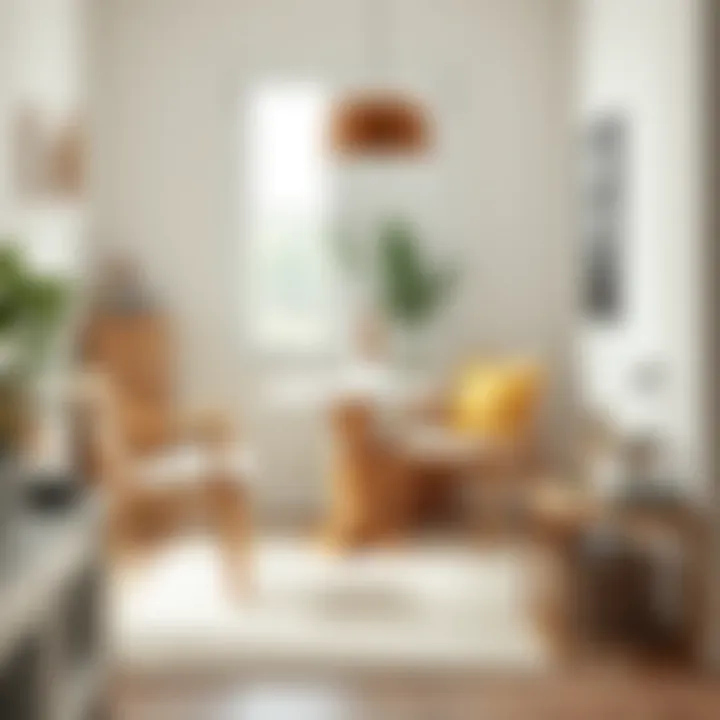
On the other end of the spectrum lies the eclectic composition, which celebrates variety and personality. This style is perfect for small living rooms that lack character, as it strategically combines disparate furniture and decor items to create a harmonious chaos. The key is balance; too many elements can overwhelm the space, while too few can make it feel sterile.
In this approach, you might see a vintage armchair paired with a modern sofa or quirky wall art juxtaposed against a classic bookshelf. Mixing textures—like soft throws and sleek metal finishes—can add depth and interest without taking up physical space.
Lighting plays a vital role as well. Incorporating different sources such as floor lamps, wall sconces, or even fairy lights can enhance the ambiance and draw the eye upwards, further reinforcing the illusion of spaciousness.
While planning eclectic spaces, it’s wise to maintain cohesion through a consistent color scheme or theme, ensuring that, despite the diversity, the room feels united.
Maintenance of Small Space Furniture
Maintaining furniture in small living spaces is an often overlooked but crucial part of maximizing your limited environment. When you're working with confined areas, the need for durability and upkeep becomes paramount. Selecting pieces that not only fit the space but also stand the test of time can make a significant difference in daytime livability and long-term satisfaction. Proper maintenance ensures that each piece serves its purpose while continuing to look aesthetically pleasing, helping you avoid the all-too-familiar cycle of replacing worn-out furniture frequently.
Care Tips for Different Materials
Understanding the different materials used in small space furniture is essential for proper care. This knowledge allows you to implement the correct maintenance measures and prolong the life of your investments. The following list outlines common materials and specific care tips:
- Wood: Regularly dust and wipe it down with a damp cloth to avoid buildup. Consider using coasters to prevent rings from drinks.
- Fabric: Look for upholstery that is stain-resistant. Vacuuming offers a quick solution to dirt accumulation, while spot-cleaning with appropriate cleaners can tackle stains effectively.
- Leather: Maintain leather with a conditioner to keep it supple and prevent cracking. Wipe spills immediately with a dry cloth to avoid stains.
- Metal: For metal furniture, check for rust and use a specialized cleaner to restore shine. A light layer of oil can help prevent corrosion.
By understanding these tips, you ensure your furniture not only looks good but also functions well for years to come.
Organizing for Longevity
Effective organization doesn't just aid in creating a visually appealing space; it also contributes to the longevity of your furniture. Here are some strategies you can implement:
- Declutter Regularly: Keep surfaces clean and free from unnecessary items. Too much clutter can lead to damage and make it hard to maintain cleanliness.
- Smart Storage Solutions: Use storage ottomans or multi-functional pieces to keep everything organized and off surfaces, reducing wear.
- Rotate and Rearrange: Regularly switch up your furniture's position. This not only refreshes the decor but can prevent uneven wear and tear on certain pieces.
By actively organizing your small space, you not only enhance its functionality but also extend the life of your furniture. Forgetting about maintenance is akin to neglecting the value of your home, and recognizing the importance of proper care can lead to a more resilient living environment.
Sustainability Considerations
As the world grapples with environmental challenges, sustainability has become a vital aspect of furniture design, particularly in small living spaces. Choosing environmentally friendly options not only reduces your carbon footprint but also contributes to a healthier home environment. Sustainable living is more than just a trend; it’s a lifestyle that combines style with responsibility. This section highlights essential elements, benefits, and considerations regarding sustainability in furniture selection.
- Reducing Waste: When opting for furniture that is built to last, you're actively participating in the reduction of waste in landfills. Rather than periodically replacing worn-out pieces, investing in durable items means fewer resources are consumed over time.Mother Earth will thank you!
- Health Benefits: Eco-friendly materials, like bamboo or reclaimed wood, often come without the harmful chemicals present in synthetic alternatives. This can improve indoor air quality, allowing you to breathe easier and live healthier. Crafting a space where both style and health coexist is essential for small living rooms.
- Aesthetic Value: Sustainable materials often offer unique aesthetics that can lend character to your space. Consider the natural grain of reclaimed wood or the texture of jute. These features can become conversation starters, adding depth to your living environment.
Why is this important? In the age of climate awareness, having sustainable furniture not only fulfills a personal responsibility but also showcases your commitment to future generations. The furniture in your small living room tells a story of care and thoughtfulness.
"Sustainable design is not about being poor; it's about being smart" - Unknown.
Eco-Friendly Material Choices
When selecting furniture for compact living areas, prioritizing eco-friendly materials can greatly enhance your overall impact. Here are a few choices to consider:
- Bamboo: A grass that grows faster than many trees, bamboo is a renewable resource that boasts incredible strength and versatility. It can be used for everything from flooring to furniture.
- Reclaimed Wood: This gives a second life to timber that might otherwise end up in a landfill. Furniture made from reclaimed wood often comes with its own unique story, offering character and charm that new wood lacks.
- Natural Fiber Upholstery: Look for materials such as hemp, cotton, or linen that do not involve synthetic processes and have a lower environmental impact.
By opting for these materials, you not only support sustainable practices but also enrich the ambiance of your living room with unique textures and stories.
Longevity and Reusability in Furniture Design
Durability should be top of mind when furnishing small spaces. Choosing long-lasting pieces means you'll enjoy them for years to come without frequent replacements, making your investment worthwhile. Here are some factors to consider:
- Quality over Quantity: It’s better to have a few well-made pieces than a room full of items that won’t stand the test of time. Look for sturdy construction, strong joints, and trusted brands.
- Timeless Design: Styles can come and go, but choosing classic designs can provide versatility and prevent furniture from going out of style too quickly.
- Adaptable Furniture: Pieces that serve multiple purposes, such as a sofa bed or a coffee table that converts to a dining table, maximize space and usability.
Lastly, think about how your furniture can evolve with you. If you move or change your taste, find pieces that can be reupholstered or reconfigured rather than discarded. This enhances not just sustainability but also your connection to your living space.
Finale
When it comes to small living rooms, the right furniture choices can make all the difference. This section wraps up the key aspects discussed throughout the article, emphasizing the importance of thoughtful design and innovative solutions in maximizing both space and style. The overlapping realms of functionality, aesthetics, and psychological comfort have been explored, along with how each element plays a crucial role in creating a harmonious environment.
Summarizing Key Points
In summary, we’ve highlighted several pivotal strategies:
- Selecting Multifunctional Pieces: Furniture that serves multiple purposes, like sofa beds or storage ottomans, is invaluable in compact spaces. This not only saves space but also enhances utility.
- Space Optimization Techniques: Arranging furniture with traffic flow in mind and utilizing vertical space can dramatically alter the feel of your room.
- Sustainable Choices: Using eco-friendly materials aligns with modern design trends, appealing to environmentally conscious consumers while often being durable and stylish.
- Lighting and Color: Lighter palettes and clever lighting tricks can visually expand a small living room, creating an inviting ambiance that belies its size.
This focused approach allows homeowners and designers alike to craft spaces that don’t just look good but also feel right, transforming the character of even the smallest living rooms.
Encouragement to Innovate
As we reach the conclusion, it’s vital to push the envelope with small space design. Conventional wisdom can sometimes stifle creativity, but the most successful small living room designs often stem from unconventional ideas. Challenge yourself to think beyond traditional furniture arrangements or color schemes. Could that unused corner serve as a cozy reading nook? Can you use a custom-built shelf instead of a bulky cabinet?
Encourage your clients or yourself to explore local artisans or thrift shops to unearth unique designs that add flair and individuality to small spaces.
"In the world of small spaces, less is often more, but innovative thinking can be the key to transforming minimalism into a masterpiece."
Let your instincts guide your choices, and don't shy away from blending different styles or eras. After all, it's about creating personal havens, not just following a trend.
For further reading and inspiration, consider checking resources like Wikipedia or Britannica to delve deeper into interior design concepts and trends.