Selecting the Perfect Table for Your Cantilever Umbrella
Intro
When it comes to outdoor entertaining or simply enjoying a sunny day, having the right table to complement your cantilever umbrella becomes essential. This is not merely about aesthetics; the right choice ensures functionality, comfort, and a seamless blend with your outdoor space. In this guide, we delve into the significant aspects that you should consider when selecting a table to pair with your cantilever umbrella. From materials to dimensions, each element plays a vital role in enhancing not only the umbrella's effectiveness but also the overall vibe of your outdoor setting.
Whether you are a professional in the furniture industry such as an interior designer or architect, or a retailer looking to assist your customers, understanding these nuances can help you make informed decisions. The current trends intertwining design and functionality in outdoor furniture are worth exploring, as they dictate what is hot on the market and how you can maximize this for your customers or projects.
In the upcoming sections, we will walk through design trends that are shaping today's landscape of outdoor furniture. Plus, we’ll look into functional solutions that meet the demands of modern living, ensuring that you pick a table that not only looks good but is robust and practical. This comprehensive guide aims to provide you with useful insights to enrich your choices and those of your clientele, employing clever approaches to enhance both durability and style.
Understanding Cantilever Umbrellas
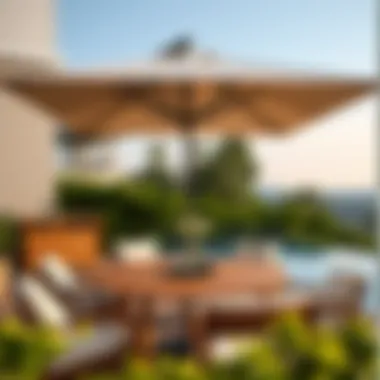
When it comes to outdoor living spaces, comprehending the subtleties of cantilever umbrellas is crucial for making informed decisions on selecting the right table that complements them. Cantilever umbrellas, often referred to as offset umbrellas, offer unique advantages that make them a popular choice for gardens, patios, and terraces. Unlike traditional umbrellas, which have a center pole, these designs feature an off-center pole, providing unobstructed shade right where you need it.
Definition and Characteristics
Cantilever umbrellas are defined by their pivoting arms that extend the canopy away from the pole. This flexibility allows for a multitude of shading options, whether it be over a dining table, a lounge area, or even a hot tub. Characteristically, they come in various sizes and shapes, utilizing materials like aluminum or heavy-duty steel for durability. One of the standout features of these umbrellas is their ability to rotate 360 degrees, enabling you to adjust the shade throughout the day without having to move furniture. This ease of use adds to the allure of cantilever umbrellas, making them a practical addition to any outdoor space.
Benefits of Cantilever Umbrellas
The advantages of cantilever umbrellas extend beyond mere aesthetics; they can enhance both functional and comfort aspects of outdoor areas. Let's break down the key benefits.
Versatility
Free from the constraints of a central pole, cantilever umbrellas offer remarkable versatility. You can place them near the edges of patios or decks, providing shade without disrupting foot traffic or overly consuming space. This standout feature means they're endlessly adaptable to various outdoor setups, be it a cozy corner alcove or expansive community spaces. However, keep in mind that this versatility does come with a need for proper anchoring to ensure stability.
Maximized Shade Coverage
A key characteristic of cantilever umbrellas is their ability to deliver maximized shade coverage. The off-center design allows for a wider area of shade, which is particularly beneficial during hot summer months. With an adjustable canopy, you can tilt it according to the sun's position, ensuring that your entire area remains cool and inviting. This feature is especially appealing for large gatherings where multiple people need protection from the sun, making it a favorite choice for outdoor dining setups. One downside might be the potential wind susceptibility that can affect coverage if not secured properly.
Aesthetic Appeal
Beyond functionality, cantilever umbrellas also bring significant aesthetic appeal to outdoor spaces. Available in various colors, materials, and designs, they serve as an eye-catching addition to gardens or patios. A well-chosen umbrella can elevate the overall style, making your outdoor area feel more like an extension of your home. However, it’s crucial to select a design that harmonizes with existing furniture and décor. Not paying attention to this can lead to a mismatched look that turns away from the desired cohesive outdoor aesthetic.
Given these features, understanding how cantilever umbrellas operate and their associated benefits makes it all the more vital when selecting a suitable table. A well-paired table can not only enhance the functionality of your outdoor space but can also complement the aesthetic characteristics inherent to cantilever umbrellas.
The Role of Tables in Outdoor Spaces
Tables serve a crucial function in outdoor environments, especially when paired with cantilever umbrellas. They are more than just surfaces to place drinks or plates; they are central pieces around which outdoor gatherings revolve. Choosing the right table can dramatically enhance the usability and aesthetic of your outdoor space, making it versatile for dining, games, or simple relaxation. Here are some key points to consider:
- Social Gathering Point: A table becomes the focal point for social interaction. It’s here where friends come together over a cup of coffee or a hearty meal. The right table ensures that everyone can comfortably enjoy each other’s company.
- Functional Use: Tables, depending on their size and shape, can serve various purposes. A large table can host family dinners, while smaller bistro-style tables may suit intimate conversations alongside a cocktail.
- Integration with Umbrella: When placed under a cantilever umbrella, tables allow for shaded comfort. Selecting a table that complements this arrangement ensures that the outdoor experience is enjoyable even on sunny days.
Utility and Functionality
When considering utility and functionality, one cannot overlook how a table's design affects its purpose in outdoor settings. Ideally, the table should facilitate enjoyable and practical use.
- Size Matters: The size of the table must fit the space available while also allowing for easy movement around it. A large table can provide ample dining space but could overwhelm a smaller patio, leaving it feeling cramped. Conversely, a compact table might not accommodate larger gatherings, effectively stunting social interactions.
- Adjustability Features: Tables that feature height adjustability or extended leaves can cater to various needs, from relaxed afternoons with snacks to entertaining larger groups during festive occasions. Being able to adjust table height can also help accommodate different seating arrangements, especially with cantilever umbrellas encroaching on the area.
- Durability Under Elements: Given their outdoor setting, tables must endure various weather conditions. Materials like aluminum or treated wood offer resilience against rain and sun exposure. Choosing a table designed for outdoor use ensures longevity and sustained visual appeal, making any future replacement less likely.
Enhancing Outdoor Decor
An outdoor table can enhance and elevate the look of your space. How a table interacts with the rest of your patio or garden decor can either create harmony or result in a disjointed visual.
- Color Coordination: The color of the table should complement the overall palette of your outdoor area. A bold, colorful table can serve as a statement piece, while a neutral table allows other elements, such as plants or the cantilever umbrella, to take center stage.
- Material Variety: Using different materials can create texture and interest within the space. Pairing a wooden table with metal or glass accents can break the monotony and add layers to your decor. This works particularly well with cantilever umbrellas that also come in a range of materials and colors, providing ample opportunity for contrast or coordination.
- Style Cohesion: Ensure that the style of the table aligns with your other outdoor furnishings. A rustic wooden table may look out of place next to sleek modern chairs. Striving for a cohesive look ties the entirety of the space together, making it more inviting.
"Tables are the very heart of outdoor living; they invite us to stop, relax, and share moments with those we love."
The interplay between functional use and aesthetic appeal is vital when selecting a table for your outdoor space. By keeping these elements in mind, you can curate a setting that resonates comfort and style.
Choosing the Right Table
When it comes to enhancing your outdoor space, selecting the right table to accompany your cantilever umbrella is a crucial decision. This table not only serves as a functional piece, but it also plays a significant role in aesthetic cohesion and overall usability of your area. It's not just about having something to put your drinks on; a well-chosen table nurtures relationships, encourages gatherings, and stands as a focal point in your outdoor setting.
Material Considerations
Wood
Wooden tables bring a certain warmth and natural beauty that few materials can replicate. The grain and texture add a rustic charm, making them a favourable choice for many. They are solid, provide a strong visual appeal, and can last for years with the right care. However, wood requires regular maintenance to prevent weathering. Ideally, look for treated varieties like teak or cedar, which offer natural resistance to decay.
Metal
Metal tables, whether made from aluminum, wrought iron, or stainless steel, are often praised for their durability. They can withstand harsh weather conditions remarkably well, which is a huge plus in outdoor setups. Another attracting point is their sleek, modern look that can fit various design styles. Keep in mind, though, that metal can heat up in the sun, so consider pairing them with cushions or table accessories to mitigate that effect.
Plastic
Plastic tables have carved out a niche for their unbeatable affordability and low-maintenance features. Lightweight and portable, they are easy to move and rearrange as you please. They are typically UV resistant, making them a viable option for vibrant outdoor colours. Just be aware that most are not as sturdy as their wooden or metal counterparts.
Composite Materials
Composite tables combine the best of both worlds—strength and style without the heavy upkeep. Made from a mixture of wood fibers and recycled plastics, they tend to resist fading and cracking better than traditional wood tables. This makes them an attractive choice for eco-conscious consumers. On the downside, they might not appeal to everyone due to their synthetic feel compared to natural wood.
Optimal Dimensions
Height
Height is key when selecting a table. A table that's either too high or too low can make dining or relaxation uncomfortable. Most outdoor tables stand at about 28 to 30 inches high, catering to standard chair heights. Consider your seating arrangements; a little adjustment can lead to big comfort gains.
Width
Width is another pivotal factor. A table must be wide enough to comfortably accommodate food, drinks, and social interaction but not too wide to limit communication. Typical widths vary from 30 to 48 inches, depending on purpose. Ensure it fits your space without making it feel cramped.
Shape Preferences
Shape preferences can significantly dictate the ambiance of your outdoor space. Round tables often encourage conversation, while rectangular tables can maximize space. Choosing a shape often leans on your specific need; for example, if you're planning on hosting gatherings, opt for larger, rectangular tables. Conversely, a small round table might provide the snug feel for intimate settings.
Weight Stability
Wind Resistance
Weight stability is paramount, especially outdoors where wind can whip up unexpectedly. Selecting an adequately heavy table can prevent it from being blown away or knocked over by a gust. Generally, heavier materials like metal or solid wood offer better wind resistance, ensuring your decor remains intact, no matter the weather.
Durability Under Outdoor Conditions
Durability is another primary concern. The ideal table must endure the challenges of nature—sun, rain, and fluctuating temperatures. Tables designed for outdoor use typically feature coatings or materials that protect against moisture and UV rays, ensuring they last through different seasons without deteriorating. Check for warranties that indicate the manufacturer’s confidence in their products.
In summary, the right table is pivotal for enhancing not just the utility but also the visual harmony between your table and cantilever umbrella. By prioritizing factors like materials, dimensions, and weight stability, you’ll create an outdoor atmosphere that is both functional and inviting.
Design Compatibility
Design compatibility is not just a buzzword in the realm of outdoor furnishings; it’s the linchpin that binds the elements of your space together. Choosing the right table for your cantilever umbrella involves more than mere utility. It’s about creating a cohesive ambience that resonates with the style of your home and lifestyle.
When tables and umbrellas match in design, they enhance each other’s aesthetics. This compatibility facilitates a harmonious outdoor space where each piece complements the other, promoting a welcoming atmosphere. Ignoring this aspect can lead to an eclectic look that cancels out the beauty of both the table and the umbrella, leaving them looking like they were thrown together on a whim.
Matching Aesthetics
Color Coordination
Color coordination plays a vital role in achieving design compatibility. When choosing a table, consider the colors of your cantilever umbrella as the starting point. Tables in neutral tones can provide a canvas that allows colorful umbrellas to pop, or vice versa. Balancing bold colors and patterns with muted table hues helps to create a visual intrigue without overshadowing the umbrella’s design.
A key characteristic of color coordination is its flexibility—it adapts to various styles ranging from minimalist to bohemian. This adaptability makes it an appealing choice for anyone looking to stylize their outdoor area. However, the challenge comes with ensuring that the chosen colors don’t clash. For instance, a vibrant rainbow-patterned umbrella might look out of place when paired with dark woods or stark whites.
Benefits and Disadvantages of Color Coordination:
- Benefits: Enhances overall visual appeal, creates feelings of unity, and evokes a specific mood.
- Disadvantages: Requires thoughtful planning; poor choices may lead to disarray rather than harmony.
Style Cohesion
While color plays a critical part in design compatibility, style cohesion cannot be overlooked. This involves ensuring that the style of the table resonates with that of your cantilever umbrella. For example, a sleek modern umbrella pairs well with a similarly styled table, creating a streamlined aesthetic. Conversely, pairing a traditional table with an overly modern umbrella can generate visual dissonance.
A key characteristic of style cohesion is that it dictates the overall ambiance of your outdoor space. Cohesion between styles invites comfort and familiarity, essentially encouraging people to feel more at ease in the space.
Advantages and Disadvantages of Style Cohesion:
- Advantages: Establishes an inviting environment, showcases personal taste, and contributes to the overall design narrative.
- Disadvantages: Can lead to inconsistencies if too many styles are attempted or if one style overshadows another.
Harmonizing Sizes
Choosing the right size is another pivotal aspect of design compatibility. A table that’s too large can dwarf a beautifully structured umbrella while a small table might seem nearly lost under a broad umbrella canopy. The trick is to find sizes that not only serve functional purposes but also visually balance one another.
Setup Considerations
Setting up your outdoor space can make or break the experience you have with your cantilever umbrella. This aspect isn’t just about practicality; it’s also about creating a harmonious outdoor environment that you can enjoy. When choosing a table, understanding setup considerations is crucial. Beyond functionality, the table's placement, adjustability features, and overall compatibility with your umbrella's design come into play.
Placement Strategies
When considering how to position your table, one cannot overlook the role of placement strategies. A common mistake many make is thrusting their table haphazardly into the yard, which does not serve any functional goal. Instead, think about how you use the space. Is it for dining, socializing, or simply as a decor piece?
- Function & Flow: Ensure the table complements the intended activities. Arrange seating around the table in a way that allows for easy movement. This is especially significant when hosting gatherings; you don’t want people bumping around awkwardly.
- Safety & Stability: Ensure the table is placed on level ground to avoid any mishaps. Uneven chairs combined with a tilted table can result in a tipping hazard, particularly in breezy conditions that could affect the umbrella.
- Umbrella Coverage: Position the table directly beneath the umbrella’s shaded area. Sometimes, changing the angle of your umbrella can help achieve maximum shade during the hottest parts of the day.
Adjustability Features
Adaptability in outdoor furniture links back to how often you’ll need to rearrange things. An adjustable table can be a game changer.
Mobility Options
Mobility options have gained plenty of traction because they promote flexibility. Think about tables on wheels or those that aren’t too heavy to lift. This feature’s key characteristic is convenience.
- Easily Repositioned: Tables that can be moved make it easier to change the layout quickly. If the wind starts picking up or you require a different setup for a party, having mobile furniture can save time and hassle.
- Limited Space Advantage: For smaller patios or balconies, movable tables can accommodate fluctuating guest numbers, expanding space as needed while keeping everything tidy.
Although this option sounds fantastic, it’s worth mentioning that mobility can occasionally come with its own complications, such as the risk of rolling away if not locked.
Foldable Tables
Foldable tables are another clever option to consider, especially if you face storage constraints during off-seasons. Their main advantage lies in their compactness.
- Space-Saving Design: When you’re not using the table, it can be folded away easily, giving you more room for outdoor activities or simply keeping your area uncluttered. This is particularly advantageous for seasonal users who might not engage with their outdoor setups year-round.
- Portable Features: They can often be taken along for picnic outings or beach trips, providing additional functionality to your outdoor furniture collection.
However, one must note that foldable tables may lack the same sturdiness as fixed models should the weather turn unexpectedly windy or rainy. It is better to be cautious and ensure you are selecting a sturdy model that can withstand inclement weather.
Key takeaway: Placement and adjustability can lead to a more enjoyable and functional outdoor space. Understanding where and how to use your furniture optimally can directly influence your overall comfort and aesthetic appeal.
Checking how your table integrates with the rest of your setup will enhance the seamless experience of using your cantilever umbrella.
Maintenance and Care
Taking proper care of your outdoor furniture is not just a sideline chore; it's a commitment to longevity and aesthetics. When it comes to selecting the right table for your cantilever umbrella, maintenance and care play a crucial role in ensuring that both elements work harmoniously over time. Let's delve into the significance of keeping your table in tip-top shape, focusing on regular cleaning practices and seasonal storage strategies.
Regular Cleaning Tips
Regular cleaning is fundamental in preserving the life of both your table and umbrella. Dust, dirt, and grime can collect quickly, especially in outdoor settings. Here are some tips to keep everything looking fresh:
- Use mild soap and water: For most materials, a simple solution of warm water and mild detergent does wonders. Avoid harsh chemicals that could damage finishes or fabrics.
- Soft cloth or sponge: When wiping down surfaces, opt for a soft cloth or sponge to prevent scratches. For metal tables, a microfiber cloth can be particularly effective.
- Specific attention to joints and crevices: Those tiny spots where elements meet can be notorious for collecting debris. Make sure to give them a thorough cleaning to prevent decay or rust.
- Check the umbrella canopy: Don’t forget your umbrella! A gentle run through with a vacuum attachment is great for removing any dirt stuck on fabric. For tougher stains, check the manufacturer’s cleaning instructions.
"A stitch in time saves nine," as the old saying goes. Taking care of your furniture today prevents bigger hassles down the line.
Maintaining weekly cleaning routines can bring more than just visual benefits. It helps reveal any potential issues, such as rust on metal surfaces or wear on wooden finishes, allowing timely interventions to extend the life of your purchases.
Seasonal Storage Advice
As seasons change, so should your approach to furniture care. Proper storage can significantly impact the lifespan of your table and umbrella. Here are some strategies to consider:
- Choose a sheltered location: When not in use, find a covered area for your table and umbrella. A patio or garage offers good protection from the elements.
- Use furniture covers: Investing in high-quality, waterproof furniture covers is a smart move. They provide a layer of defense against rain, snow, and harmful UV rays.
- Disassemble if possible: Some tables and umbrellas can be taken apart for storage. This can save space and further protect them from damage.
- Timing is everything: Before heavy rains or harsh winters, it's advisable to store outdoor furniture. Regular checks at the end of each season will help you prepare better for the next.
Taking note of these storage recommendations not only keeps your furniture looking striking but also protects your investment. This attention to detail reflects professionalism and care, not just in your outdoor space but in all aspects of design.
While maintenance and care may seem like a chore at times, it lays a foundation for an enjoyable outdoor experience. With these handy tips, your cantilever umbrella and accompanying table will remain striking and functional for many seasons to come.
Market Trends in Outdoor Furniture
Understanding the current market trends in outdoor furniture is crucial when choosing a table for your cantilever umbrella. The way people utilize outdoor spaces has evolved, shifting from basic functional needs to seeking stylish yet functional decor. Highlighting these trends not only ensures that your choices remain relevant but also enhances the overall aesthetic of gardens, patios, and balconies. With consumer preferences shifting towards unique designs and sustainable materials, staying in the loop with trends can elevate your outdoor space to new heights.
The importance of recognizing these trends includes:
- Enhanced Aesthetic Appeal: Furniture that aligns with current styles brings a fresh look to outdoor areas.
- Functionality: New designs often incorporate multifunctionality, allowing space efficiencies.
- Durability and Maintenance: Products made with innovative materials typically come with improved durability, reducing long-term costs.
As you consider a table to pair with your cantilever umbrella, understanding these market trends becomes paramount.
Innovative Products
Recent years have seen a wave of creativity in outdoor furniture, particularly with tables designed specifically to complement cantilever umbrellas. Look out for pieces that showcase:
- Integrated Technology: Some tables now offer wireless charging surfaces or built-in ambient lighting, which can transform the atmosphere after sunset.
- Adaptable Designs: Products that work effectively in multiple arrangements help tailor your setup to different occasions, from casual family dinners to more formal gatherings.
- Innovative Materials: With advancements in technology, the use of high-performance materials like lightweight aluminum, all-weather resin wicker, or even absorbent wood composites can enhance both durability and design flexibility.
When selecting a table, keeping an eye on these innovative products ensures that you choose something that not only looks good but also stands the test of time.
Sustainability in Material Sourcing
Sustainability is no longer just a buzzword; it has become a core value for consumers and manufacturers alike. In outdoor furniture, sustainable materials have taken center stage. Here's why it matters:
- Healthier Environment: Using sustainably sourced materials leads to minimized environmental impact, which is a priority for many homeowners.
- Longer Lifespan: Products made from sustainable materials often come with the added benefit of resilience, translating to longer life and less replacement frequency.
- Consumer Preference: Customers are increasingly choosing brands that prioritize eco-friendly practices.
Key points to consider include:
- Recycling and Reclaimed Materials: Look for tables that use reclaimed wood or recycled metals. Businesses are finding creative ways to reuse old materials, integrating them into modern designs.
- Certifications: Check labels for certifications like Forest Stewardship Council (FSC) or Global Recycled Standard (GRS), which verify responsible sourcing.
By investing in sustainable outdoor furniture, you're not just enhancing your space but also playing a part in a more environmentally friendly future.
Closure
Selecting the right table for your cantilever umbrella is more than just a cherry on top for your outdoor space—it's a fundamental choice that impacts functionality, style, and durability. The way a table fits into your overall garden or patio layout can dictate how much you enjoy your outdoor relaxation or entertainment. Ignoring details like material, dimensions, and weight can lead to dissatisfaction and a less-than-ideal experience. A well-chosen table not only complements the umbrella but enhances the usability of the environment as a whole.
Final Thoughts on Selection
When considering a table for your cantilever umbrella, think about what you need the table for. Is it simply for drinks during a sunny afternoon, or will it see many dinners and gatherings? Here are a few points to consider:
- Functionality: Choose a table that serves your intended purpose well, whether that’s dining or casual lounging.
- Compatibility: Ensure the table harmonizes with the umbrella in both style and size. The last thing you want is for them to clash, making your space look haphazard.
- Durability: Opt for materials that withstand winter’s chill or summer’s heat, ensuring longevity.
In essence, a table is often the centerpiece that brings functionality to your cantilever umbrella. By carefully evaluating your options and prioritizing the characteristics that matter most, you’ll find a choice that satisfies both your practical needs and aesthetic desires.
The Future of Outdoor Tables
The outdoor furniture market is at an exciting juncture, with innovations in materials and designs surfacing consistently. Here are some trends that might shape the future of outdoor tables:
- Sustainability: As consumers become more eco-conscious, the demand for sustainably sourced materials is likely to rise. Expect to see more tables made from recycled materials or with eco-friendly certifications.
- Smart Technology: With the rise of smart homes, it’s reasonable to anticipate outdoor tables equipped with built-in chargers, LED lights, or even temperature control features.
- Modular Designs: Flexibility and adaptability in furniture will continue to be essential, as many homeowners look for pieces that can be easily modified to suit different needs.
Greater emphasis on functionality, sustainability, and technological integration appears to be the backbone for future outdoor furniture choices. As an interior designer, architect, or retailer, keeping an eye on these evolving trends will not only support your current projects but also place your offerings ahead of the curve.
For more insights, you can explore Wikipedia, and for ongoing discussions on trends, consider checking out Reddit or Facebook.
Whether you are pondering new designs or diving deep into the residential market, recognizing the interplay between tables and cantilever umbrellas will elevate your contributions in the field.