Woven Hanging Lamps: Design, Styles, and Care
Intro
Woven hanging lamps have a unique position in the world of interior design. These fixtures marry functionality with artistry, offering more than just light; they serve as cultural markers and reflections of craftsmanship. Historically, they’ve been crafted using various materials ranging from natural fibers like rattan and jute to synthetic options that mimic their organic counterparts. Each woven hanging lamp tells a story, rooted in the traditions of the cultures they come from, while also adapting to modern aesthetics.
This comprehensive guide aims to shed light on the intricate aspects of woven hanging lamps, covering everything from contemporary designs to the materials involved in their creation. It will explore their versatility in spaces—both residential and commercial—highlighting sustainable practices and how these lamps can elevate any environment, reflecting the owner’s personality and style. By the end of this article, you will have a greater appreciation for these light fixtures, equipping you with the knowledge needed to choose and maintain them effectively.
Through this journey, you will learn how to incorporate these unique elements into your designs, ensuring they not only fit but enhance the overall ambience. Join us as we delve into the trends and solutions woven hanging lamps offer, unraveling their beauty one strand at a time.
Preface to Woven Hanging Lamps
Woven hanging lamps are more than mere sources of light; they represent a fusion of artistry, culture, and function. In recent years, these lamps have surged in popularity, showcasing not only their aesthetic appeal but also their ability to transform spaces. By understanding the intricacies of these luminous pieces, one can appreciate their role within interior design and how they can enhance the ambiance of a room.
One significant aspect to consider about woven lamps is their adaptability. With a myriad of designs, styles, and materials, they suit a vast range of decor choices, making them ideal for both modern and traditional settings. Interior designers, architects, and retailers alike find these fixtures a valuable addition to their catalogs due to their versatility and eye-catching nature.
Historical Context and Evolution
The history of woven hanging lamps stretches back centuries, with roots in various cultural practices. Early examples can be traced to indigenous communities who utilized available resources like bamboo, reeds, or grasses to create functional light sources. Over time, as societies advanced, so too did the techniques for creating these lamps. They transitioned from utilitarian objects to intricate artworks that reflect the cultural heritages they stem from.
Across the globe, different regions put their own spin on woven lamp design. For instance, in Southeast Asia, artisans take pride in hand-weaving intricate patterns, often incorporating traditional motifs that tell stories or symbolize significant aspects of life. Meanwhile, Western designs began exploring more minimalist aesthetics in the 20th century, focusing on clean lines and modern materials while preserving the weaving technique's essence.
"Woven lamps symbolize a beautiful marriage between practicality and cultural artistry."
Cultural Significance Across Various Societies
Cultural significance permeates the world of woven hanging lamps, often serving as more than just functional items. For countless communities, they embody traditions and rituals, passed down through generations. In some cultures, weaving lamps is considered a rite of passage, marking an individual's entry into adulthood and responsibility.
Furthermore, the lamp designs can often signify the values or beliefs of the society. For example, Moroccan lamps, with their intricate geometric patterns and brass finishes, not only illuminate spaces but also represent a deep connection to Islamic art and tradition. Likewise, in Indigenous Australian culture, some woven lamps incorporate local materials that tell stories of the land and its people, illustrating a bond that is both physical and spiritual.
As globalization pushes different cultures into closer proximity, the exchange of artistic ideas has surged. This exchange enriches the designs of woven hanging lamps while preserving their unique histories. Designers often draw inspiration from various cultures while integrating contemporary practices, resulting in hybrid designs that appeal to a broader audience. By exploring these fascinating narratives, one can fully appreciate the significance and beauty woven hanging lamps bring to our homes and beyond.
Design Dynamics
When it comes to woven hanging lamps, understanding design dynamics is paramount. This involves not just the aesthetics, but how all elements converge to create functionality, ambiance, and emotional engagement within a space. Each design choice, from material to style, contributes to the overall effectiveness of the lamp in both illuminating and enhancing a room. Incorporating the right elements can transform ordinary spaces into cozy havens or chic retreats, depending on the intended atmosphere.
Materials Used in Woven Lamps
Natural Fibers
Natural fibers, such as rattan, bamboo, or jute, are often the backbone of exquisite woven hanging lamps. These materials bring a warmth and organic feel that synthetic counterparts strive to replicate. A significant characteristic of natural fibers is their ability to allow light to diffuse gently, creating a soft, inviting glow that can elevate any room's mood. This quality makes them particularly favored in spaces meant for relaxation, like living rooms or bedrooms.
However, care must be taken with natural fibers, as they can be susceptible to wear and tear and can absorb humidity, which in damp conditions might lead to mold. Still, their eco-friendliness and appeal assure their standing as a staple in the world of woven lamps.
Synthetic Materials
On the other hand, synthetic materials like polyester or nylon introduce durability and versatility. These fabrics can be manipulated into diverse shapes and colors far beyond the limitations often faced with natural materials. The notable advantage of synthetic materials is their low maintenance. With a simple wipe-down, they can look good as new, making them an attractive option for high-traffic areas or homes with children and pets.
Yet, some may argue that synthetic materials can lack the charm and warmth of their natural counterparts. They may also retain heat more, which can be less favorable in warmer climates. The decision to use synthetic materials will depend on the intended setting and the specific functional requirements of the lamp.
Recycled Components
Utilizing recycled components is an exciting dimension in the creation of woven lamps. Furniture and construction materials are often repurposed to give new life to lamps, not just for the sake of aesthetics, but also for sustainability. These components can include reclaimed wood, recycled plastics, or even textile scraps, each adding a unique story to every piece.
The beauty of using recycled materials lies in their character; each piece carries with it a history that can resonate deeply with owners. This approach can also yield cost savings which is valuable for both producers and consumers. Yet, the challenge remains in ensuring that not all recycled components are of adequate quality, sometimes requiring extra care to maintain the structural integrity of the lamp. Nevertheless, the move towards using recycled materials signifies progress in a world increasingly aware of its environmental responsibilities.
Styles and Aesthetics
Bohemian Inspirations
Bohemian-inspired woven lamps draw from a rich tapestry of cultures and aesthetics, often rich in color and texture. They embody a free-spirited vibe and are characterized by eclectic patterns and a whimsical feel. Their unique attribute is the ability to create warmth and personality in any room they adorn, allowing individual expression to shine forth.
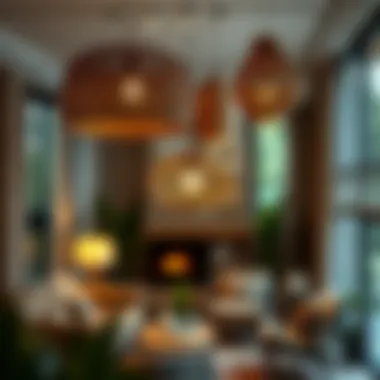
This style is especially appealing in informal settings, fostering creativity and comfort. However, one needs to be cautious; too much flamboyance can clash with more subdued decor, leading to a chaotic environment instead of harmony.
Minimalist Designs
In contrast, minimalist designs focus on simplicity and elegance, celebrating clean lines and muted colors. This design philosophy aligns well with the principle that "less is more." Minimalist woven lamps typically feature subtle textures and a restrained aesthetic, allowing them to fit seamlessly in modern, understated interiors. Their versatility makes them a practical choice for various spaces.
However, their understated nature may not stand out as much in larger rooms, sometimes becoming easily overshadowed by more dominant decor elements.
Traditional Approaches
Traditional approaches emphasize craftsmanship, often involving intricate weaving techniques passed down through generations. These lamps can be visually stunning and are imbued with cultural significance. Their design often features detailed motifs that tell a story, making them not just light fixtures, but also conversation starters.
One disadvantage might be their limited alignment with contemporary interior aesthetics, which may leave them feeling outdated in more modern homes. Nonetheless, they often become cherished heirlooms, preserving the craftsmanship and artistry of their origins.
In choosing a woven lamp, it’s essential to consider both functionality and emotional resonance within the space to enhance the intended ambience.
Functional Aspects
Understanding the functional aspects of woven hanging lamps is crucial for effective design and application. These lamps do not merely serve as decorative fixtures; they also play a significant role in setting the overall ambiance of a space. When selecting a woven lamp, designers and homeowners alike must pay careful attention to how various lighting qualities and installation contexts work together to enhance a room.
Light Quality and Environment
The light quality emitted by woven hanging lamps is a pivotal consideration in creating inviting environments.
Warm vs. Cool Lighting
When it comes to lighting, the debate between warm and cool hues often incheads its way into conversations. Warm lighting, with its yellowish tinge, brings a cozy, inviting feel to an area. It's particularly good for spaces meant for relaxation, like living rooms or bedrooms. The unique feature of warm lighting is its ability to create an atmosphere that is as comfortable as an old blanket on a chilly day. This makes it a popular choice among interior designers targeting a homely and intimate vibe.
On the other hand, cool lighting, which has a bluish tint, can invigorate a space, making it feel fresh and active. It’s particularly beneficial in workspaces or kitchens where visibility and alertness are paramount. While cool lighting can sometimes feel sterile, its crisp quality can enhance clarity.
Both options have their pros and cons. Warm lighting could be seen as limiting when needing more illumination for detail-oriented tasks. Conversely, reliance solely on cool lighting might lead to a sterility that is unsuited for social gatherings. The balance lies in understanding where each type of light fits best.
Adjustability and Dimmer Options
Adjustable woven lamps equipped with dimmer options offer versatility that is highly beneficial in a range of settings. The key characteristic of these fixtures is their ability to modify light intensity according to different needs and moods. Dimmer switches allow users to tailor the brightness, enabling softer settings for intimate evenings and brighter settings for social events.
The unique benefit of this adjustability is its adaptability in various situations—transitions from a lively dinner party to a serene late-night atmosphere can be achieved with a flick of a switch. However, it's essential to remember that dimmer functionality must be compatible with the lamp’s electrical system, which may require thoughtful planning in the installation process. This duality makes adjustability a prized feature for those looking to maximize both functionality and style in their woven lamps.
Application in Interior Design
Woven hanging lamps find their application across a spectrum of spaces, each showcasing unique characteristics.
Residential Settings
In residential settings, these lamps often serve as focal points that beautify the home while providing essential lighting. The aesthetic appeal of woven designs brings warmth and a sense of character to various areas—from chic dining spaces to cozy nooks. The unique feature of residential woven lamps is their ability to blend seamlessly with personal decor choices, whether it be bohemian, minimalistic, or traditional. They are a beneficial choice in homes, adding charm and character while being practical sources of light.
However, they can sometimes be less effective in larger spaces if not scaled appropriately. Therefore, selecting the right size and style is crucial in residential applications to prevent any mismatch in ambiance and atmosphere.
Commercial Spaces
In commercial contexts, woven hanging lamps can enhance both branding and customer experience. Retail environments, for example, utilize these lamps not only to illuminate products but also to reflect their brand's ethos. The distinctive characteristics of commercial woven lamps lie in their ability to engage customers while embodying a brand's personality. They are invaluable in hospitality venues where the ambiance contributes significantly to overall experience.
While they bring aesthetic value, maintenance concerns might arise due to varying customer traffic and the need for frequently cleaning fixtures in high-visibility areas. Thus, careful selection of wipe-clean materials is often advisable in such settings.
Outdoor Installations
Using woven hanging lamps outdoors is a growing trend that can infuse innovation into exterior design. These installations can transform a garden or patio into a cozy retreat. The key feature here is durability against weather conditions; many modern designs incorporate weather-resistant materials, ensuring longevity while enhancing outdoor aesthetics.
Outdoor woven lamps tend to illuminate areas that might otherwise feel unwelcoming, creating inviting spaces for evening gatherings. However, the environmental factors can lead to quicker wear and tear, so selecting high-quality, treated materials is essential. Proper installation techniques also matter to withstand wind or rain, making these lamps both beneficial and functional.
The choice of woven hanging lamps should consider their versatile performance across various environments, ensuring they fit both aesthetic desires and real-world applications. Proper attention to each setting enables homeowners and designers to harness the full potential of these unique lighting fixtures.
Sustainability in Woven Lamp Production
Sustainability in woven lamp production holds complete significance in the current discourse around design and manufacturing. As consumers become increasingly conscious of their environmental footprint, it’s crucial that artisans and manufacturers align their practices with eco-friendly principles. When it comes to woven lamps, sustainability isn't just a trend; it's a necessity. The importance of using materials that are sourced responsibly cannot be overstated, as it influences not only the product's life cycle but also the well-being of communities involved in the production.
Making informed choices about materials and production processes contributes to a healthier environment. By prioritizing sustainability, the industry encourages the use of natural resources in a manner that ensures their availability for future generations. Furthermore, integrating sustainability provides economic benefits, appealing to consumers who are willing to pay a premium for ethically-produced goods.
Eco-friendly Materials
Eco-friendly materials are the cornerstone of a sustainable approach in woven lamp production. When opting for fibers such as organic cotton, sustainably harvested bamboo, or natural rattan, producers are minimizing reliance on synthetic options that can harm the environment.
Using such materials not only reduces pollution and waste but also supports biodiversity. For instance, natural fibers tend to break down more effectively than synthetic counterparts, contributing to a reduced landfill footprint. Additionally, the charm of natural materials often enhances the aesthetic appeal, giving those lamps a unique, hand-crafted look that resonates with consumers.
Ethical Manufacturing Practices
Ethical manufacturing practices embody the commitment to fair treatment of all individuals involved in the production process. This encompasses ensuring safe working conditions, offering fair wages, and nurturing a sense of community. The adoption of ethical practices not only furthers the cause of sustainability but also establishes a positive brand image.
Fair Trade Considerations
Fair Trade considerations act as a linchpin in creating a more equitable market. By purchasing woven lamps that are certified under Fair Trade standards, consumers can ensure they are supporting practices that prioritize fair wages and labor rights. This commitment empowers artisans in developing regions and uplifts their communities.
A key characteristic of Fair Trade is its emphasis on transparency throughout the supply chain. This transparency fosters trust and encourages brands to operate responsibly. While some may argue that Fair Trade products could carry a higher price, the quality and ethics associated with Fair Trade often justify the cost, providing both satisfaction and peace of mind to consumers.
Local Craftsmanship
Local craftsmanship brings a distinct flavor to woven lamp production, often celebrating regional aesthetics and techniques. Supporting local artisans not only preserves traditional skills but also reduces carbon footprints associated with transportation. Locally sourced materials further contribute to a reduction in emissions.
One remarkable aspect of local craftsmanship is the close-knit relationships formed between producers and their community. This relationship often supports economic development within the area. However, a challenge remains; balancing the need for traditional techniques with a modern market’s demand. Yet, when done right, local craftsmanship can create one-of-a-kind pieces that resonate on both aesthetic and ethical levels.
In essence, sustainability in woven lamp production isn't merely about looking good; it embodies a holistic approach to manufacturing that respects both people and the planet. For interior designers and architects, considering these elements can significantly shape the narrative of a space, connecting it to broader environmental and cultural discussions.
Choosing the Right Woven Hanging Lamp
Selecting the perfect woven hanging lamp can transform a space, marrying functionality and aesthetics. This decision involves more than just visual appeal; there are multiple factors to mull over that can impact both the ambience of your room and how effectively the lamp fulfills its purpose. Knowing how to choose a woven lamp is a blend of understanding your environment and aligning it with style preferences.
Assessing Your Space
Room Size and Layout
When considering a woven hanging lamp, the size and layout of the room are critical elements. A lamp that’s too large can overwhelm a small space, while one that’s too small may fail to make an impression in a larger area. The key is to strike a balance. For instance, in an expansive living room with high ceilings, a larger pendant lamp can draw the eye upward and create an inviting focal point. Conversely, in a cozy nook, a smaller, more delicate lamp fits seamlessly without dominating the area.
In practical terms, measure your space before making a decision. This practice not only shows you the ideal dimensions for a hanging lamp but also helps gauge how the light will distribute across the room. The unique layout of your space—whether it's open or has defined corners—also factors in. A clever positioning of the lamp can enhance the flow and functionality of the area.
Existing Color Palettes
The existing color scheme of your interior design significantly influences your lamp selection. Selecting a lamp that complements or contrasts harmoniously with your décor is crucial in creating a cohesive look. For example, if your room features neutral tones, a lamp with vibrant natural fibers could add a pop of color and vibrancy. Alternatively, if your setting is already rich in hues, a more subdued design might work best to maintain balance without overcrowding the visual field.
Understanding the psychological impact of colors can also play a role here. Colors evoke feelings and can set the mood of a room. Hence, the woven lamp you choose can either amplify the existing atmosphere or introduce a new energy entirely.
Matching Styles with Decor
Complementing Existing Furniture
Integrating a woven hanging lamp into your current furniture layout is essential for a harmonious appearance. If your furniture showcases rustic wood finishes, a lamp crafted from similar materials or a nature-inspired design can seamlessly blend in, echoing the natural charm of your space.
The advantage of complementing furniture lies in creating a narrative within the room. Each item tells a part of the story; hence, the lamp should be a contributor rather than an outlier. Misalignment in style can create visual discord. A minimalist lamp in a room full of vintage pieces, for instance, may look out of place and disrupt the visual balance.
Creating a Focal Point
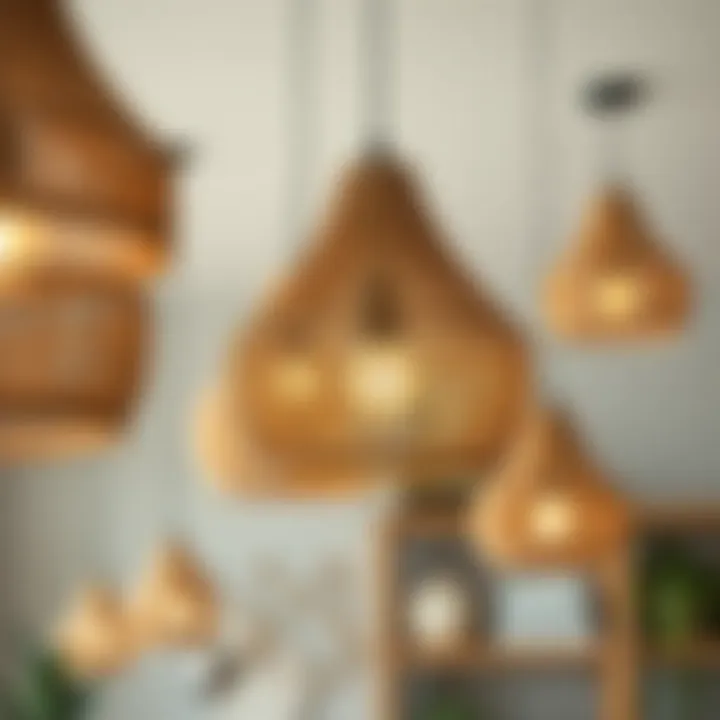
Woven lamps can serve as stunning focal points in a room, guiding the eye and enhancing the overall design. A prominent, oversized hanging lamp can act as a conversation starter, captivating attention the moment someone steps into the room. For instance, choosing a lamp with intricate weaving patterns or unusual textures can break the monotony of a simple space.
However, while creating a focal point can elevate the design, it’s essential to ensure that this focus does not clash with other design elements. Careful consideration of the height and position of the lamp can help achieve this harmony. Placing a striking woven lamp above a dining table can not only illuminate the space but also encourage lively interaction among guests.
Maintenance and Care
Caring for woven hanging lamps goes beyond mere aesthetics; it plays a pivotal role in enhancing their longevity and preserving their charm. Since these lamps often serve as focal points within a space, how they are maintained affects not only their functionality but also the ambiance they help to create. Regular upkeep allows one to enjoy these unique fixtures for years to come, ensuring that they continue to be a source of warmth and style in any setting.
Cleaning Techniques
Regular Dusting
Regular dusting is the first line of defense in maintaining woven lamps. It’s a simple yet effective practice that can greatly prolong the life of the lamp. Using a soft, lint-free cloth or a feather duster can help prevent dust from accumulating and dulling its shine.
"A little dusting goes a long way; keep your woven lamps looking sharp and fresh."
The key characteristic of regular dusting is its ease. It's something that can easily be incorporated into a household chore routine without requiring special tools or significant effort. This makes it a popular choice among those who may overlook other maintenance tasks. The unique feature of this technique is its accessibility, making it convenient for individuals at any skill level to perform.
However, a disadvantage might be that dusting alone doesn’t address deeper grime or stains that can develop over time, especially if the lamp is situated in a high-traffic area.
Deep Cleaning Methods
Eventually, regular dusting may not suffice, and more thorough deep cleaning methods will be needed to rejuvenate woven lamps. Deep cleaning involves carefully soaking the fixture in a mild detergent solution and using a soft brush to reach intricate patterns and crevices.
It’s a beneficial approach as it targets tougher stains and build-up, bringing back the lamp’s original glow. One major advantage is that it allows for a systematic clean, as one can ensure every inch is attended to, thus maintaining the lamp's aesthetic integrity. However, deep cleaning does require more time and care; mishandling may lead to damage, particularly with fragile materials.
Repairing and Restoring Woven Lamps
As with any beautifully crafted item, woven lamps may require repairs from time to time. Knowing how to identify common issues is vital to maintaining them effectively.
Identifying Common Issues
Identifying common issues is a fundamental aspect of ensuring the life span of woven lamps. This might include recognizing fraying threads, discoloration, or even structural instability in the fixture. A significant characteristic of this process is observation; being attuned to changes signifies that something may need addressing sooner rather than later.
By understanding typical problems, you can act quicker, preventing minor issues from becoming costly repairs. However, the potential downside is that not everyone may easily spot these early signs, which could lead to bigger issues down the line if neglected.
DIY Repair Tips
For those inclined to get their hands dirty, DIY repair tips can be a game-changer. Simple fixes like reweaving the threads or applying fabric glue to frayed areas can often suffice if caught early. The definitive characteristic of DIY repairs is empowerment; they encourage creativity and resourcefulness.
This method can be an advantageous choice because it often saves costs associated with professional services and provides a sense of accomplishment. However, there is a risk of ineffectively restoring the lamp if one lacks experience. This could potentially lead to more complicated repairs and expenses down the road.
Future Trends in Woven Lamp Design
The landscape of woven hanging lamps is evolving rapidly. This section will explore how designers are pushing boundaries, merging traditional craftsmanship with modern innovations. Understanding these future trends is crucial for interior designers, architects, and retailers aiming to stay ahead in their field. The intersection of sustainability, technology, and aesthetics creates fresh opportunities for creating spaces that are not only beautiful but also eco-friendly and smart.
Innovative Materials and Techniques
The use of innovative materials in woven lamp design is gaining traction. Designers are shifting from conventional fibers to a mix of unexpected substances. For instance, some are now utilizing materials like bamboo, which is both sustainable and visually intriguing. Others are incorporating upcycled textiles, turning waste into stunning art pieces. These choices not only reduce environmental impact, but they also add a unique flair that captures attention.
Techniques are also evolving with technologies such as 3D printing, allowing intricate designs that were once unimaginable. Moreover, artisans mix traditional weaving methods with modern finishes, creating a hybrid approach that celebrates heritage while embracing new possibilities. This fusion is rewriting the rules of lamp design, giving creators the freedom to explore uncharted territories.
Integration of Smart Lighting
Incorporating smart lighting into woven lamps is a game-changer. It’s not just about illumination; it’s about creating an experience. Smart controls allow users to adjust brightness and color temperature according to mood or time of day. This adaptability makes woven lamps versatile, suitable for both cozy evenings and vibrant gatherings.
Smart Controls
Smart controls bring convenience and versatility to woven hanging lamps. These systems let users manage light settings via smartphones or voice commands. A key characteristic of smart controls is their programmability. This means you can set schedules, adjust ambiance, or link them with other smart home devices, enhancing functionality. While some may find the setup a bit complex, the payoff is well worth it. The convenience of controlling your lighting from anywhere in your home cannot be overstated. If you want your living space to work for you, smart controls are becoming an essential feature in modern design.
Compatibility with Home Automation Systems
Compatibility with home automation systems is another trend taking center stage. This feature allows woven lamps to integrate seamlessly with broader home setups, making lighting an integral part of overall home management. Users can synchronize their lights with security systems, thermostats, and entertainment setups.
A defining trait of this compatibility is its ability to simplify life. You could have your lights adjust automatically with your routines or moods, making it easier to create the perfect atmosphere at a moment's notice. So, while they may come with a higher price tag than traditional lamps, the convenience and adaptability offered by smart-compatible woven lamps can be seen as a worthwhile investment in modern living.
"The future of woven lighting design is not just about beauty; it’s about creating a functional and eco-conscious environment that resonates with modern lifestyles."